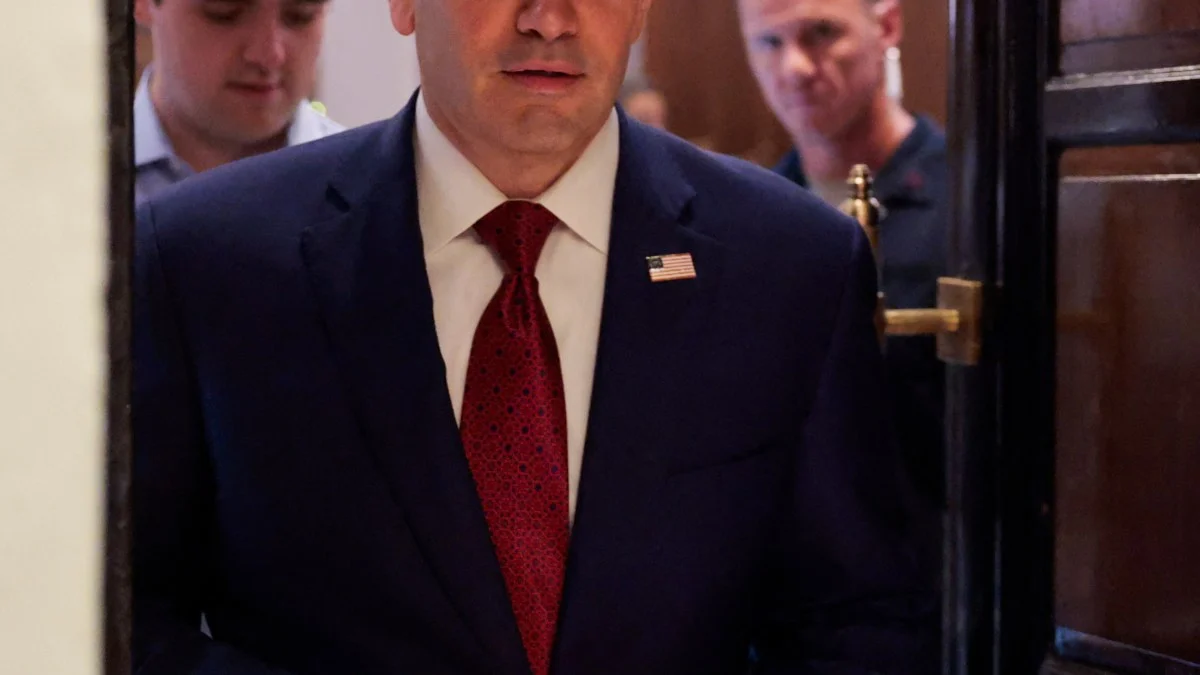

British Prime Minister Andy Burnham suggested the UK could reconsider freedom of movement as part of a reset with Brussels. Conservative and Reform UK politicians condemned the proposal.
British Prime Minister Andy Burnham has called for open talks on potentially restoring freedom of movement between the United Kingdom and the European Union, suggesting Britain could reconsider its relationship with the bloc.
In an October 19 interview with The Sunday Times released on Sunday, Burnham said he wants to explore a new partnership with Brussels that could include single market access or full EU membership, as BBC News reported. Both options would require allowing EU citizens to live and work in the UK. Burnham argued that the country must examine the issue through facts rather than emotion, saying, “I think you have to have a very factual, quite evidence-based debate about this.”
Burnham contended that migration under EU rules functioned differently from the pressures facing the UK today. He described past arrivals as revolving-door migration, where younger Europeans came to work for several years before returning home, adding that the arrangement also benefited British citizens traveling abroad. While conceding that free movement had created serious challenges, Burnham said the overall balance of arrivals has shifted significantly since Britain departed the bloc.
Limits on closer ties and border data
The prime minister insisted that freedom of movement should not be viewed on its own, pointing to other arrangements the UK gave up when it left the EU, according to Al Jazeera. Burnham cited the loss of access to Eurodac and broader European data sharing on migration, arguing that ministers need to evaluate border cooperation as a complete package.
Even so, Burnham drew clear boundaries around how far he is willing to integrate with Brussels. He ruled out adopting the European common currency or joining the passport-free Schengen travel zone, which the EU typically requires of new members. Burnham stated, “I can’t see myself ever recommending anything that would involve joining the euro or Schengen.”
A departure from past campaign promises
Burnham’s willingness to reconsider free movement represents a sharp shift from his earlier political commitments. Labour’s 2024 election manifesto explicitly ruled out returning to freedom of movement, re-entering the single market, or joining a customs union. Burnham previously committed to that platform and acknowledged that any fundamental changes to Britain’s relationship with Europe would need a public mandate at a general election, which is due by 2029.
His stance also differs from the campaign he ran to enter parliament. Burnham won the Greater Manchester seat of Makerfield in a June by-election before becoming prime minister the following month. Makerfield voted to leave the European Union in 2016, and Burnham pledged during his candidacy that he would not rerun Brexit disputes or propose rejoining the EU. Since taking office, he has gradually reopened those questions, stating in a September BBC interview that the UK could go all the way toward rejoining and telling the Labour Party conference last month that Brexit had caused more harm than good.
Criticism from political opponents
Opposition figures quickly rejected Burnham’s comments. Shadow Home Secretary Chris Philp said there can be no return to free movement, arguing that reviving the policy would hand back control of borders and allow uncontrolled migration from Europe after Britons voted to end it in 2016. Reform UK leader Nigel Farage called the interview a total betrayal of Brexit voters and Burnham’s by-election pledges in Makerfield, adding that Burnham was deluded to claim European migration was different before Brexit.
Falling migration numbers and the Brussels summit
The controversy arrives as official figures show a sharp reduction in net arrivals following post-Brexit immigration curbs. Data from the Office for National Statistics showed long-term net migration to the UK dropped to 171,000 in 2025, down from 331,000 a year earlier, reaching levels not seen since the post-Brexit rules took effect.
Burnham, who is seeking ways to boost the British economy, is scheduled to travel to Brussels on 20 November for a summit with top EU leaders, where he plans to present proposals to reset relations between Britain and the bloc.