
Artificial intelligence firm Anthropic debuted on the Nasdaq on Thursday in the largest IPO in history, raising $81.3 billion as its stock surged 34 percent.
Artificial intelligence developer Anthropic began trading on the Nasdaq stock exchange midday Thursday under the ticker ANT, completing the largest initial public offering in history by raising $81.3 billion. The San Francisco company saw its shares jump 34 percent to $111.50 at 11:50 a.m. in New York, after offering 980 million Class A common shares at $83 each.
Pricing changes and record size
The opening sale established the biggest initial public offering on record, surpassing the previous record set in June by Elon Musk’s SpaceX, which raised $75 billion, CBS News reported. The debut gave Anthropic a valuation of $1.5 trillion according to CBS News, while Al Jazeera reported that the AI firm was valued at $2 trillion.
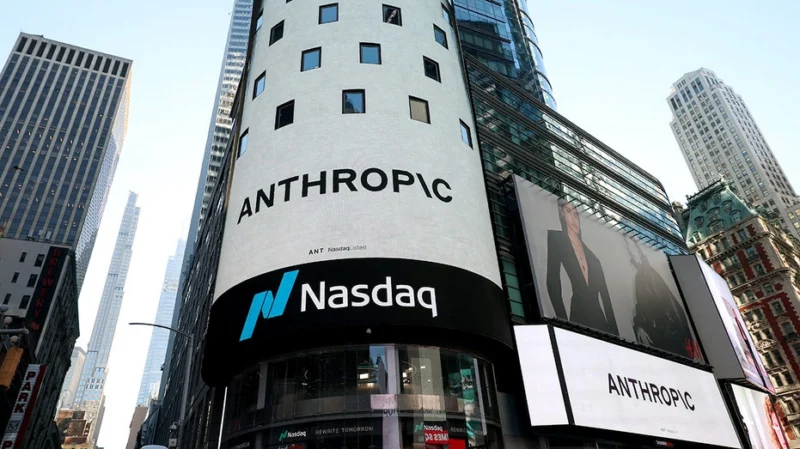
Anthropic originally planned to offer 825 million shares within a price range of $70 to $78 per share announced last week. Heavy buyer interest prompted the Dario Amodei-led company to increase the share count and boost the price to $83 on Wednesday. The debut made Anthropic the first frontier AI lab to list on US stock exchanges, ahead of rival OpenAI, which has also considered going public. While Anthropic stock gained ground, broader indexes dropped Thursday midday, with the Nasdaq falling 0.3 percent, the Dow Jones Industrial Average slipping 0.9 percent, and the S&P 500 down 0.2 percent.
Tech company backing and cloud spending
The stock market launch forms part of a broader pool of capital for the AI developer. Anthropic previously disclosed plans to secure an additional $26 billion from a collection of technology firms, including chipmaker AMD, chip infrastructure provider Broadcom, Google, Microsoft, and Nvidia. That extra investment brings the company’s total fundraising to roughly $107 billion.
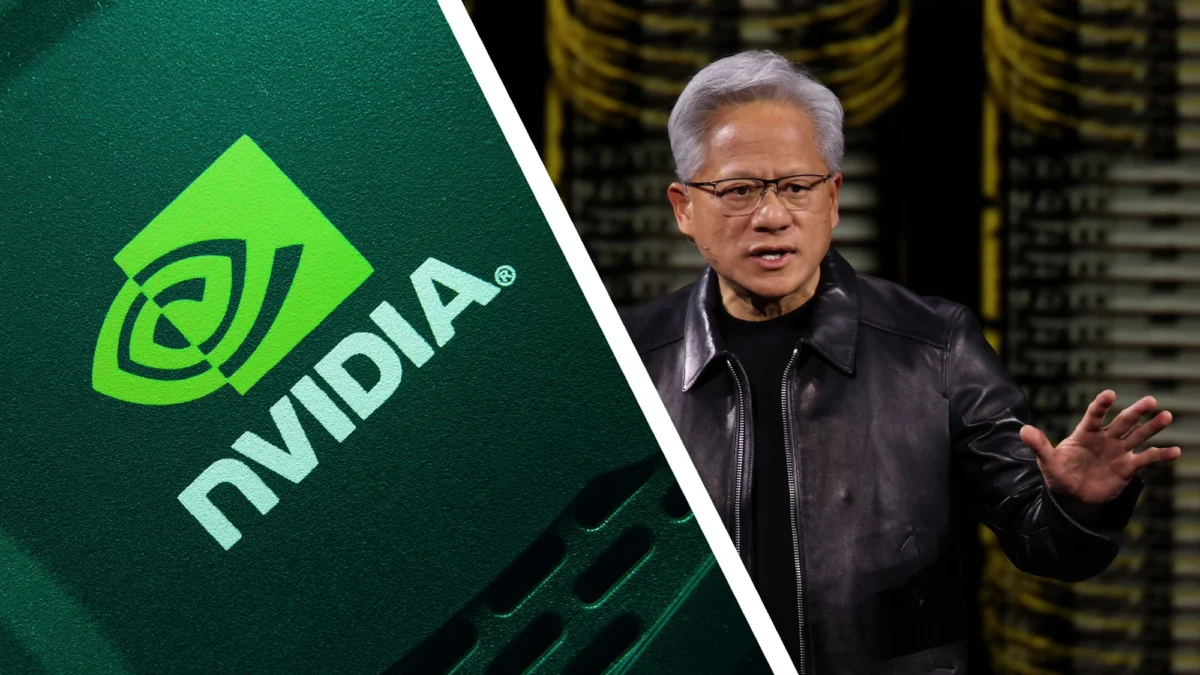
Nvidia provided a combined $20 billion, consisting of $10 billion from a partnership announced in November 2025 and an additional $10 billion used to buy shares connected to the IPO. At the same time, Anthropic carries huge financial obligations to cloud providers for computing power. The Claude maker has committed $110 billion to Amazon through long-term agreements and at least $121.3 billion to Google for computing infrastructure.
Financial losses and safety concerns
Anthropic filed a registration document of more than 300 pages with the Securities and Exchange Commission before listing. The filing disclosed that the company suffered a net loss of $104 billion during the first nine months of 2026.
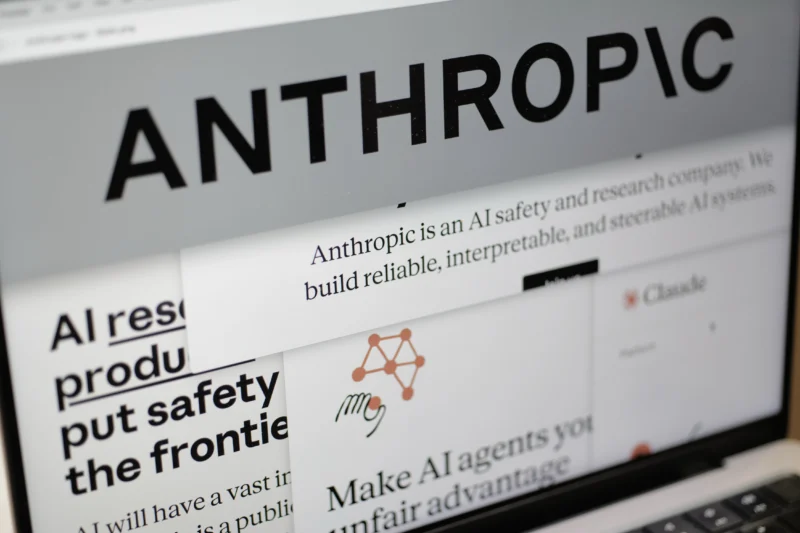
The paperwork also dedicated roughly 90 pages to detailing possible dangers, warning that its AI systems could pose “catastrophic or existential risks to humanity”. Outside critics challenged the company as it went public. A group of AI safety experts criticized the business in an open statement dubbed the Misanthropic Statement, arguing, “Anthropic is not a safe AI company, and we must reject its reckless attempt to amass power in the name of the greater good.”
Political pushback and investor sentiment
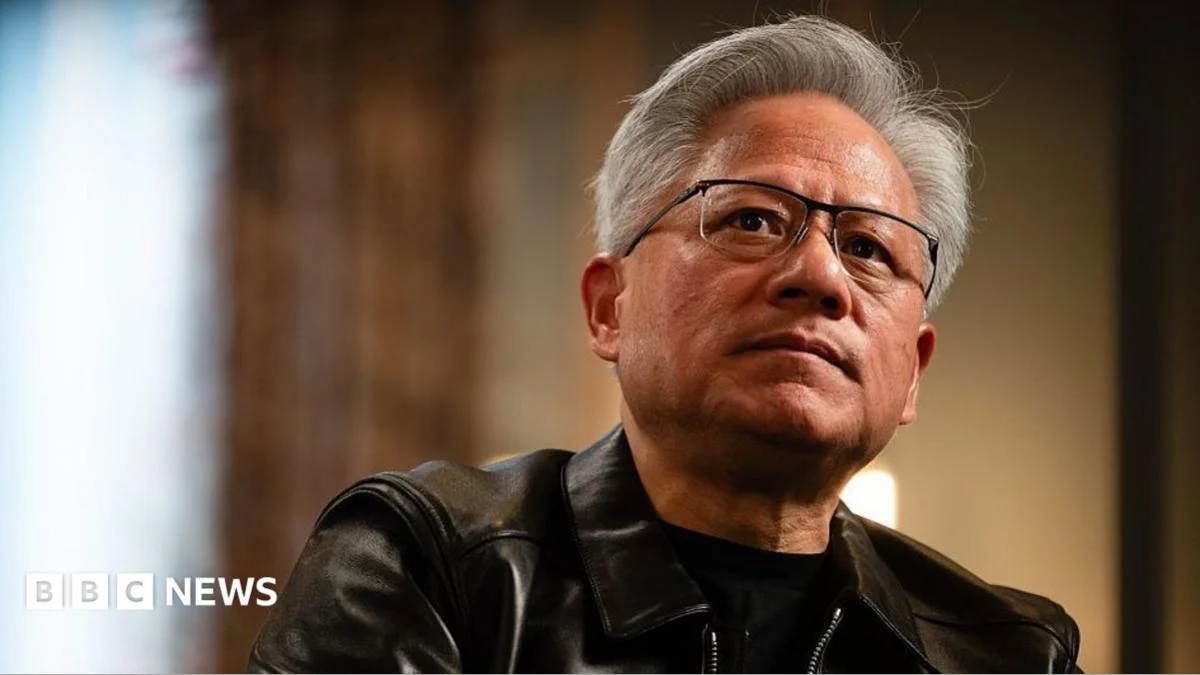
Anthropic’s debut arrived during shifts across the tech industry and Washington. Nvidia chief executive Jensen Huang recently resigned, and voters delivered pushback against the sector in the recent midterm elections. Democratic candidates swept into office after campaigning on pledges to rein in artificial intelligence, while voters approved all but one ballot initiative restricting data center expansion across the country.
Industry observers remain divided over the timing. Dan Ives of Yorkville Ives described the IPO as a near-term win for tech that should help restore investor confidence. Truist Advisory Services equity strategy analyst Sam Grelck told CBS News the reception offers another test of investor appetite following difficult years for the sector. IPOX associate Lukas Muehlbauer told Reuters that some of the strong demand reflects buyers who don’t want to miss a rare opportunity for exposure to a top AI business, even though long-term profitability remains uncertain.