

Hackers breached refrigeration controls at French blood cold stores overnight, prompting emergency transfers of plasma reserves.
Hackers breached cooling controls at French blood storage facilities overnight, attempting to raise temperatures and threatening emergency plasma supplies before alarms alerted technicians to the breach.
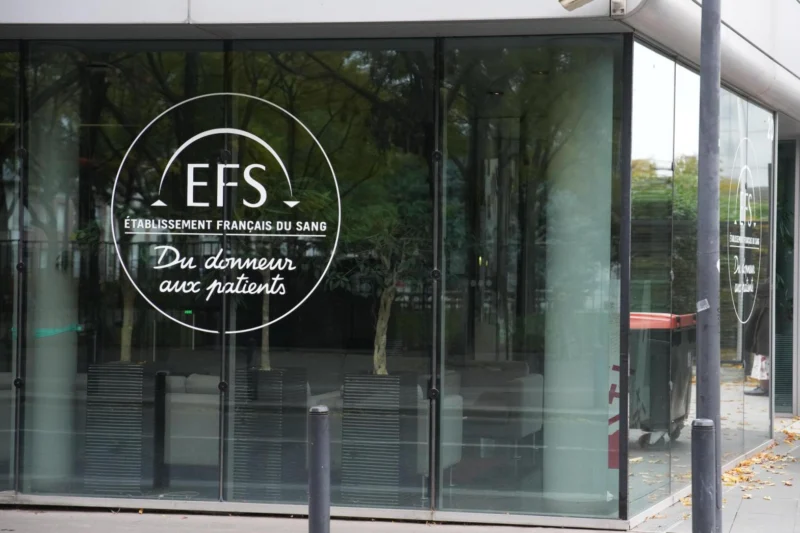
The intrusion struck third-party cold storage systems connected to the French Blood Establishment, known as the EFS, which manages blood collections and supplies products to more than 1,900 hospitals nationwide, The Guardian reported. Alarm systems alerted technicians quickly enough to prevent supplies from spoiling, though operators moved stored plasma bags intended for transfusions and drug manufacturing to alternative sites.
Targeting medical cold storage
The attack targeted Coolworld, a contractor supplying the EFS, with saboteurs programming freezer temperatures to climb from minus 30 degrees Celsius to 110 degrees Celsius, according to TechRadar. French health officials confirmed that the tampering didn’t cause operational damage or force the destruction of blood supplies, though it wasn’t clear how hot the freezers actually became before technicians intervened.
The EFS said it wasn’t targeted directly. Instead, attackers compromised external contractors that run the cold storage rooms. After discovering the elevated defrosting thresholds, the blood service alerted France’s cybersecurity agency, ANSSI, along with the health ministry, and stepped up surveillance across its network.
A continent-wide wave of cooling failures
The medical facility breach comes after cooling systems disrupted across Europe hit retail chains in multiple countries over consecutive days. Supermarket freezers across Belgium, Estonia, Ireland, Finland, Luxembourg, the Netherlands and Sweden malfunctioned on Monday, followed by similar incidents on Tuesday across the UK, Germany, Italy and Romania.
Those grocery intrusions pushed commercial fridge temperatures up to 50 degrees Celsius, destroying millions of euros in refrigerated food. France experienced related interference last month when hackers took over cooling equipment at around 700 grocery stores. On Wednesday, a regional branch of the French bank Crédit Mutuel also disclosed that it suffered a cyberattack.
Similar equipment failures occurred across the Atlantic earlier this year. In August, unexplained refrigerator breakdowns affected commissaries on at least six American military installations, prompting a Pentagon inquiry into potential cyber tampering.
Inquiries into motives and methods
European officials haven’t determined who launched the attacks, and no group has taken credit. Following emergency discussions between the Italian government and intelligence services, European Union agencies began meeting with national authorities to coordinate their findings.
EU spokesperson Thomas Regnier said European bodies are consulting member states. “These are not isolated incidents and of course we have to be collectively resilient and prepared for such cyber incidents,” Regnier said.
Security researchers point out that modern commercial refrigeration relies heavily on remote internet controls. When companies fail to install security patches, hackers can exploit weaknesses in the underlying code. Western intelligence services have expressed concern over potential Russian hybrid operations following the 2022 invasion of Ukraine. Rafe Pilling, an intelligence director at cybersecurity firm Sophos, said the campaign points either to a lone actor or to state-backed operators demonstrating capability.
Growing alarms over physical infrastructure
Government cybersecurity leaders had already warned that cooling and physical plant equipment were vulnerable. Vincent Strubel, the head of ANSSI, cautioned in October 2026 that hostile actors could strike refrigeration units, including systems holding medical resources, roughly two weeks before the EFS contractor was penetrated.
In Britain, National Cyber Security Centre chief executive Richard Horne warned that basic infrastructure remains exposed. Horne cautioned that “far too many of our organizations and supply chains rest on weak technology and operational foundations.” He listed water sluice gates, electrical switches, manufacturing setups, dams and temperature regulators as vulnerable points, warning of a sharp climb in cyber incidents in the months ahead.