A Republican report says the Justice Department failed survivors for decades and calls for investigators to interview key associates.
House Oversight Committee Republicans released a report Tuesday concluding that the federal government failed for decades across multiple administrations to halt sex offender Jeffrey Epstein and protect his victims.
The 137-page report followed a 15-month inquiry that examined Justice Department records, financial files and material from Epstein’s estate, CBS News reported. Committee investigators conducted 19 transcribed witness interviews, questioning high-profile associates including Bill Gates, Leon Black, Les Wexner and Commerce Secretary Howard Lutnick, all of whom said they had no knowledge of Epstein’s crimes.
Epstein died by suicide in a New York prison cell in 2019 while awaiting trial on federal sex trafficking charges. The panel found that federal authorities repeatedly missed opportunities to hold him accountable, and it urged the Justice Department to reinterview figures from his inner circle and investigate associates accused of criminal acts.
Failures across decades and prison lapses
The report traced the government’s missteps back to a 2008 plea agreement in Florida, where federal prosecutors shelved a broader case and let Epstein plead guilty to state prostitution charges involving a minor. Epstein served 13 months in a county facility, where he used a work-release program to visit his Palm Beach office and continue abusing women, the committee said.
Investigators also reviewed Epstein’s death behind bars, attributing it to institutional breakdowns such as staffing shortages, lax security and poor recordkeeping, according to BBC News. The report noted that testimony could not definitively dispel every theory around the death because of missing surveillance video footage.
Beyond law enforcement, the report said financial companies like American Express facilitated trafficking by permitting the use of decoy flights and dummy itineraries to transport workers across borders. It also noted that Epstein routinely made victims sign nondisclosure agreements to ensure their silence.
Dispute over document releases and Trump
The panel criticized the Justice Department’s disclosure of records mandated under the Epstein Files Transparency Act, NBC News reported. Lawmakers said the agency mistakenly exposed sensitive victim names in public documents while blacking out the identities of Epstein allies, and they asked the department to let survivors review their own case files.
Committee Chair James Comer, a Kentucky Republican, said in a statement: “Epstein operated with impunity, shielded and enabled by powerful connections and a justice system that repeatedly failed his victims.”
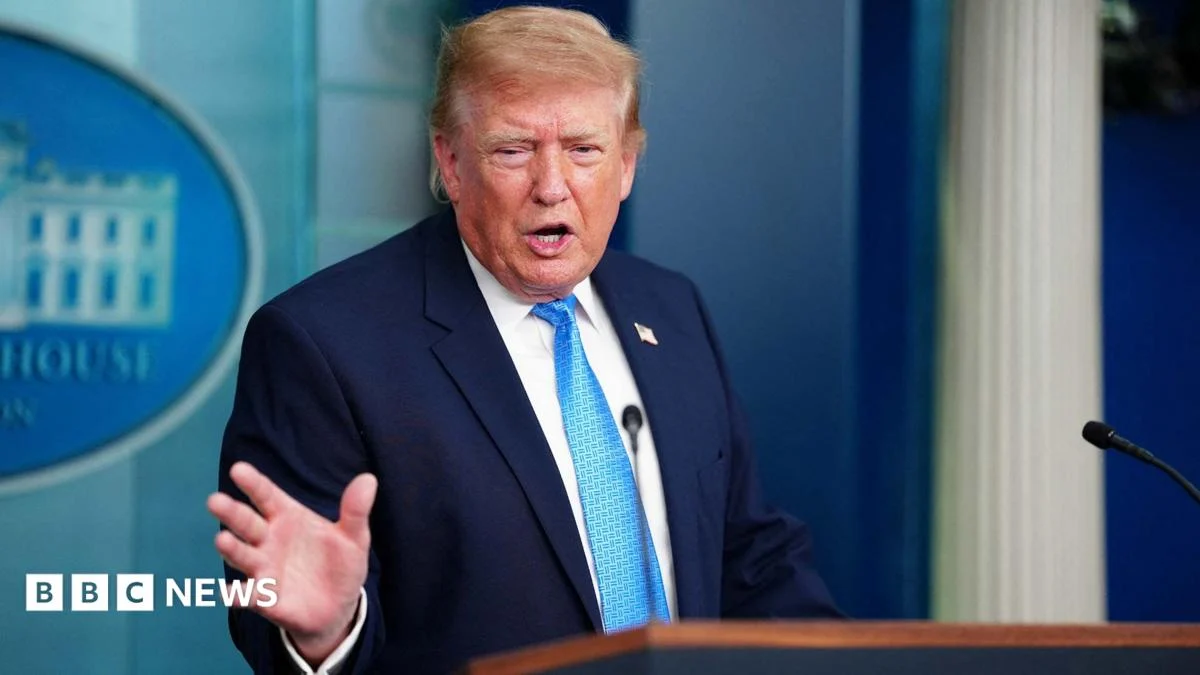
The report rejected efforts by Democrats to connect Donald Trump to Epstein’s criminal acts, describing those claims as an unfounded political pursuit. Trump had a social relationship with Epstein that ended in 2004, and the committee said its review found no documents implicating the president. Trump has denied any knowledge of Epstein’s illegal conduct, calling him a creep after their falling out.
A Justice Department spokesperson pushed back on the findings, stating that the committee’s recommendations had already been addressed. The spokesperson said human trafficking cases have no statute of limitations and added that the department continues to follow every investigative lead.
What happens next
The committee recommended that Congress pass legislation barring the use of nondisclosure agreements to silence victims and witnesses of sexual abuse.
The report also revealed sharp partisan divisions over how the inquiry should proceed once Democrats win House majority to take full control of Congress in January. Rep. Robert Garcia, the ranking Democrat on the panel, criticized Republicans for conducting the review without holding public hearings and said the Justice Department is still withholding more than 2.5 million pages of records.
Garcia said Democrats plan to hold public hearings next year, question powerful figures who associated with Epstein, and examine Attorney General Todd Blanche’s handling of the files and a past transfer of convicted co-conspirator Ghislaine Maxwell to a minimum-security prison.