Elon Musk said SpaceX cut high-speed satellite internet to stop Ukraine using civilian links for drone strikes, while Kyiv reported faster access has returned.
Elon Musk defended satellite internet restrictions in Ukraine on Saturday, asserting that Kyiv breached user agreements by deploying commercial Starlink terminals on attack drones. The defense came on the same day Ukraine’s Ministry of Defense announced it had recovered broader connectivity, with links remaining stable at speeds reaching 250 mph, Fox News reported.
The dispute over satellite connectivity follows days of tension after Trump says Musk restored Ukraine’s Starlink internet access following speed caps that disrupted front-line defenses.
Speed caps on the battlefield
Musk posted on X that civilian Starlink services were never intended for military combat. “Using Starlink, a civilian commercial service, for offensive drone strikes to kill people has never been allowed, nor should it be,” Musk wrote, adding that SpaceX closed that loophole last week. He argued that SpaceX has done more to protect Ukraine than any other private firm by far, while warning that if Starlink were shut down completely, Ukrainian front lines would instantly collapse. Musk noted that Starshield, a separate military network, remains under U.S. government authority and that federal officials decide how it is used.
Ukrainian forces received no advance warning before the restrictions took effect overnight, according to a source familiar with the situation, even though Kyiv relies on arrangements contracted through the U.S. government until May 15, 2027. Frontline units realized service had changed after experiencing connectivity failures and reaching out to SpaceX support. Technicians told the military that Starshield access would be capped on platforms traveling at 100 mph or faster. Ukrainian President Volodymyr Zelenskyy said the United States had betrayed him through the satellite limits.
Disputed responsibility in Washington
The origin of the restrictions remains disputed among leadership in Washington and SpaceX. Musk previously stated on social media that any usage or speed curbs are decided by the U.S. military and the president. However, Secretary of State Marco Rubio and War Secretary Pete Hegseth denied that the U.S. government was responsible for throttling the connection, after Rubio says Starlink limits in Ukraine were tied to decisions by SpaceX rather than Washington.
President Donald Trump told reporters on Saturday that he had discussed the issue with Musk, though he declined to elaborate. Musk didn’t say whether Trump, Hegseth or another American official personally authorized the speed limits. The friction comes as diplomatic talks approach, with Russia agreeing Wednesday to resume three-way negotiations with Washington and Kyiv next month. Zelenskyy also stated this week that he would consider halting the conflict by freezing fighting along existing front lines.
Europe weighs satellite options
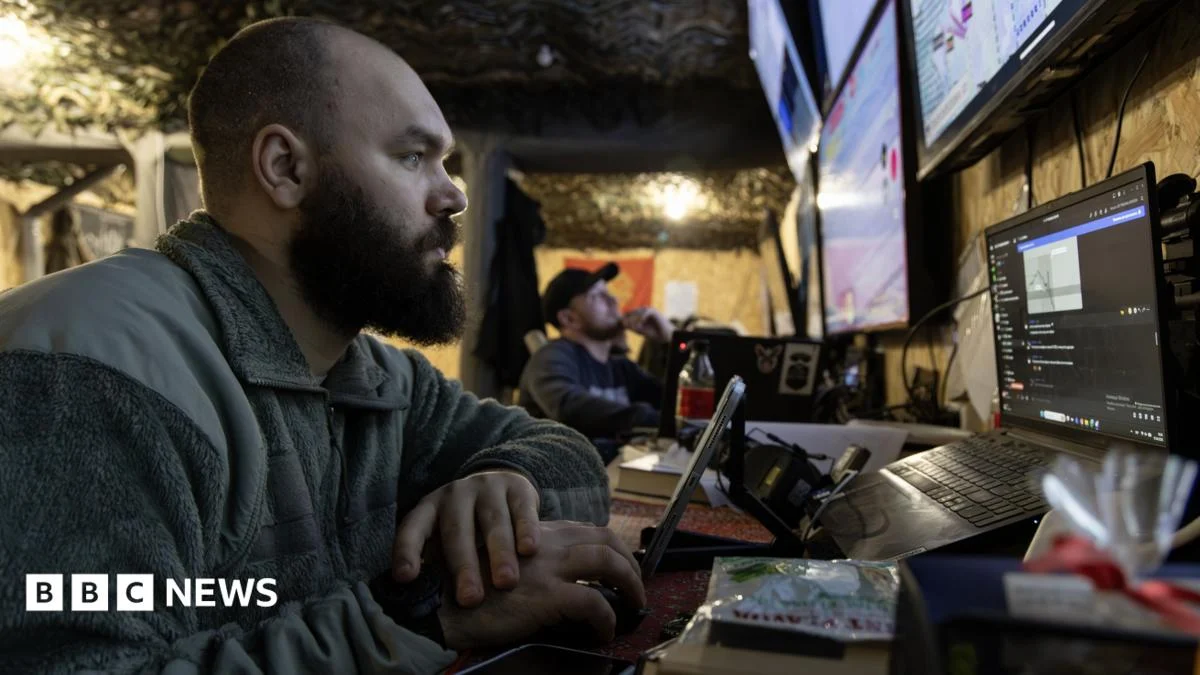
The slowdown in Ukraine highlighted the risks of relying on an American provider, according to BBC News. Frontline Ukrainian soldiers said dependable satellite links are a matter of life and death, explaining that Starlink gives them an operational edge because transferring orders even two seconds faster can change battlefield outcomes. Musk’s network operates more than 10,000 satellites with lightweight terminals that troops attach directly to vehicles and drones.
European officials are attempting to secure alternative networks to reduce reliance on American companies. Christophe Grudler, a French member of the European Parliament, argued that “Ukraine’s defence cannot depend on Trump’s or Musk’s whims,” as European leaders reviewed satellite options. France’s Eutelsat operates OneWeb, which has roughly 600 active satellites. Eva Berneke, the former chief executive of Eutelsat, said its terminals cost about five times more than Starlink’s and cannot fit on small drones, though they can mount on car roofs or tanks.
The European Commission is in discussions with Kyiv to join Govsatcom, a satellite-sharing system established in January for European Union members. The network cannot currently support tactical drone operations, but the EU hopes commercial providers like OneWeb will join by the start of next year. For long-term needs, the European Union is developing Iris², a 348-satellite constellation run by the SpaceRISE consortium of Eutelsat, SES and Hispasat. That network is scheduled to begin operating in 2029, with guaranteed access for Ukraine from its first day.