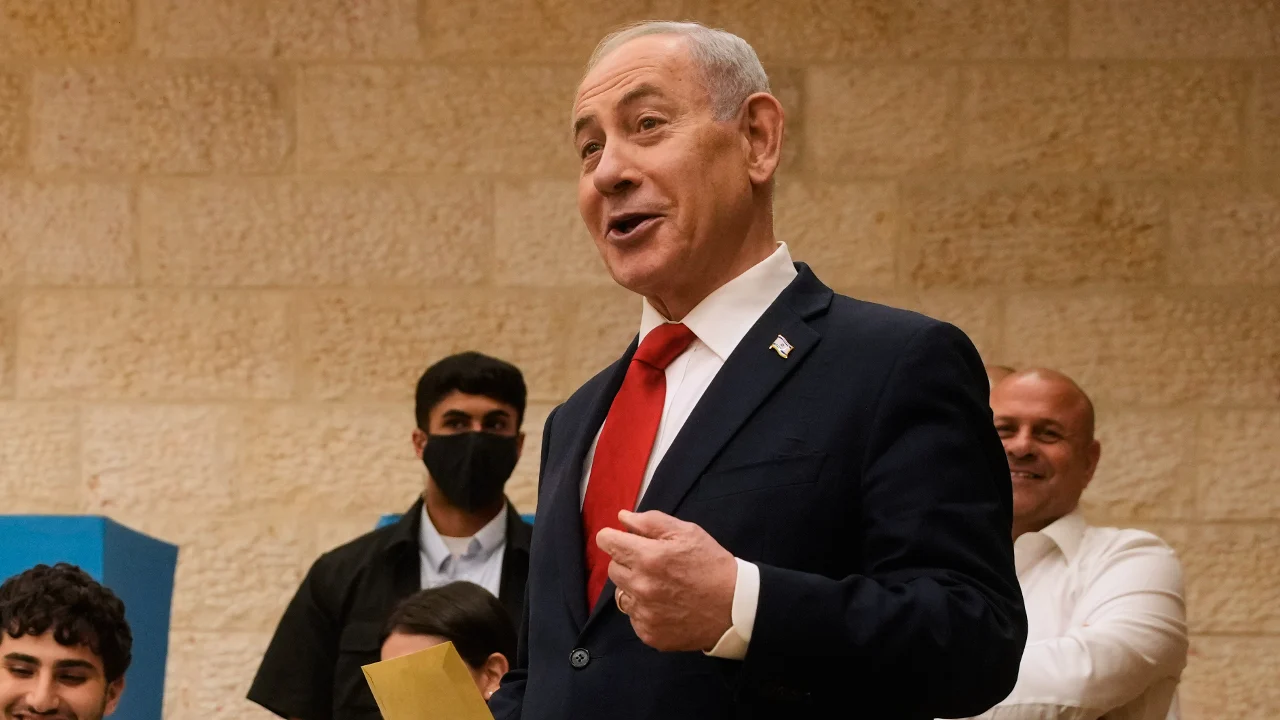

The leaders of Finland and Norway spoke with Vladimir Putin and Volodymyr Zelenskyy on Tuesday ahead of planned talks in Abu Dhabi.
The leaders of Finland and Norway held a rare joint phone call with Russian President Vladimir Putin on Tuesday to discuss future peace negotiations, speaking shortly before holding a separate call with Ukrainian President Volodymyr Zelenskyy.
Finnish President Alexander Stubb and Norwegian Prime Minister Jonas Gahr Store placed the call from Helsinki, BBC News reported. They became the first European leaders to talk directly with Putin since French President Emmanuel Macron spoke to him in July 2025. Both Nordic officials stressed that they spoke solely on behalf of their own countries, which border Russia, rather than for Europe as a whole.
The diplomatic outreach took place as Russian forces launched overnight missile and drone strikes against transport infrastructure across Ukraine, according to Al Jazeera. In Kyiv, overnight bombardments involving 16 ballistic missiles and more than 280 drones struck the capital’s South Bridge, while emergency teams responding to the damage were targeted in follow-up strikes.
Diplomatic push from Helsinki
In a joint statement, the Finnish and Norwegian governments said the call was aimed at addressing Russia’s war against Ukraine and promoting European security. Stubb described the exchange as frank and substantive, noting that the war’s final outcome directly affects both Nordic nations and broader regional stability. Store pointed to the massive human and material costs of the fighting, warning that the destruction would affect generations.
Following their conversation with the Russian president, the two leaders contacted Zelenskyy. The Ukrainian president wrote on X that Stubb and Store had told Putin that tangible steps were required to de-escalate attacks on Ukrainian infrastructure and energy sites.
Putin responded to the Nordic leaders by arguing that confrontational European Union and NATO policies were responsible for prolonging the conflict, which began with Russia’s full-scale invasion in February 2022. Western European leaders have largely shunned direct communication with the Russian president since that invasion began.
Background to the talks
Tuesday’s phone call was organized as a direct continuation of meetings held in Oslo on October 20 between Zelenskyy, the Nordic leaders, and United States special envoy Steve Witkoff. The American envoy then travelled to St. Petersburg to meet Putin directly, leading to Russia signals openness to resume Ukraine war talks mediated by the United States after those contacts had stalled in February.
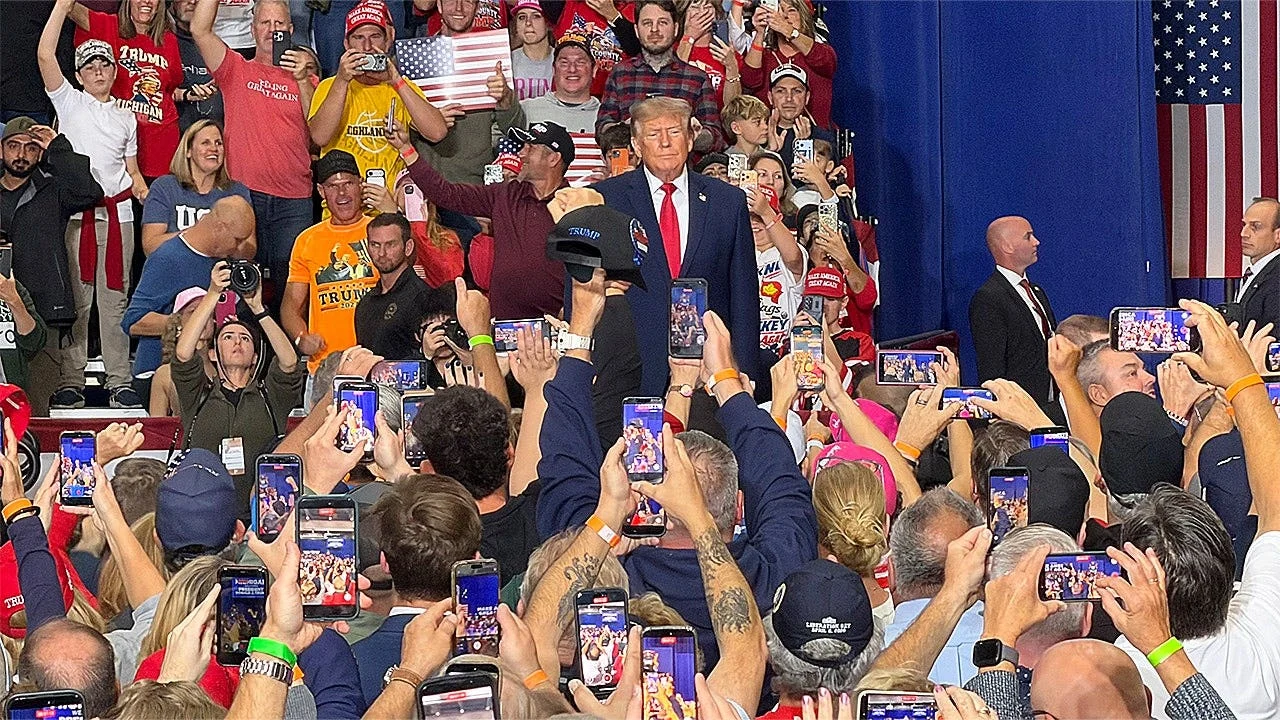
Relations among the Western partners have experienced friction following a decision by US President Donald Trump to ease certain sanctions against Moscow, allowing Russia to export oil to the US. While most European allies have stayed cautious, the Kremlin indicated interest in direct dialogue, with spokesperson Dmitry Peskov saying last weekend that including a European negotiator at future peace talks would be good.
However, the Nordic initiative drew immediate pushback from neighboring Denmark. Danish Prime Minister Mette Frederiksen told Danish broadcaster DR that she remained highly sceptical of the dialogue, explaining that it hadn’t been coordinated with other European partners.
What happens next
The diplomatic exchange comes as Ukraine, Russia, and the United States prepare to gather for technical discussions in Abu Dhabi scheduled for early November. Both Moscow and Kyiv agreed to the US-mediated format on Friday, marking the first three-way negotiation session in months. Zelenskyy said his post-call discussions with Stubb and Store focused heavily on preparations for those talks and exploring European formats to bolster Ukrainian defense and diplomacy.
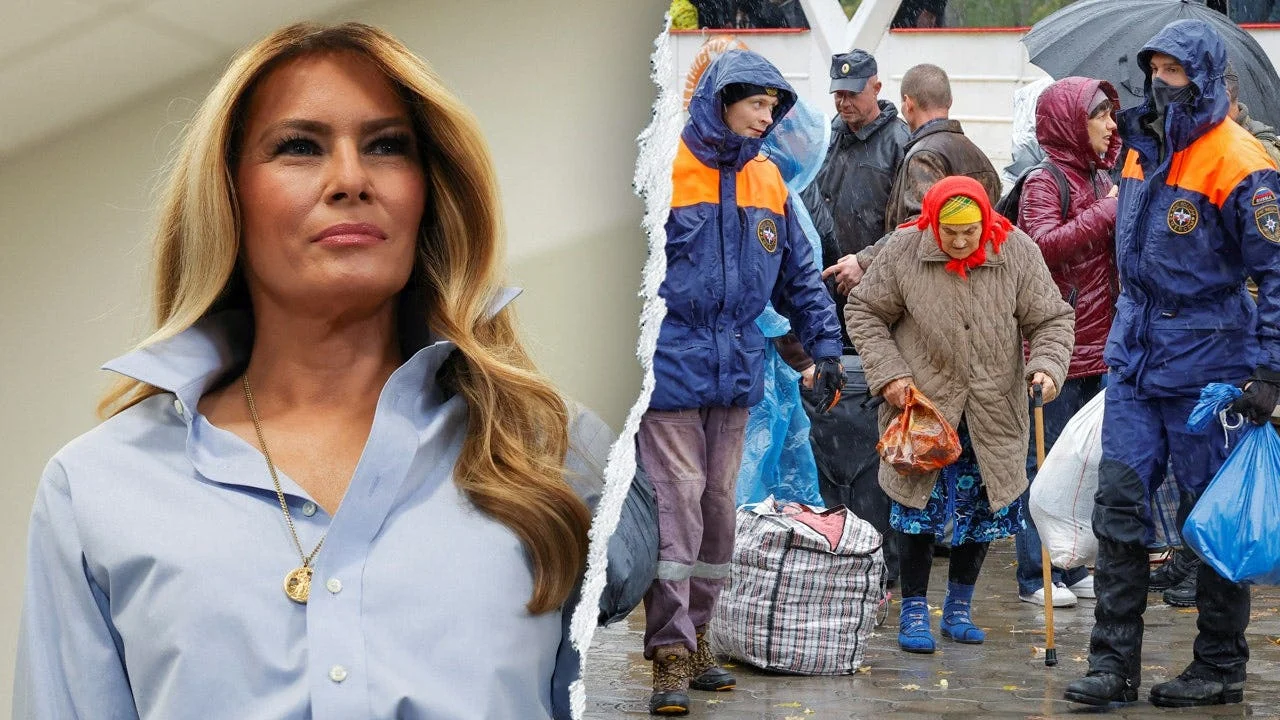
Meanwhile, fighting and localized arrangements continue on the ground. A localized ceasefire took effect on Tuesday in the southern Kherson region to permit humanitarian aid into the Russian-controlled town of Oleshky, an agreement that Trump credited First Lady Melania Trump with securing.
Even so, cross-border violence showed little pause elsewhere on Tuesday. Alongside the transport hits in Kyiv, Russian strikes caused casualties in Kharkiv and Pavlohrad, and Russian authorities reported seven casualties in Bryansk from a Ukrainian drone attack and 31 casualties from a bus strike in Zaporizhzhia.