
Hardware deliveries to four nations have stopped as Washington tightens export curbs and investigates chip smuggling to China.
Nvidia has instructed manufacturing partners to stop shipping artificial intelligence server hardware to four Southeast Asian countries following tighter United States export controls, according to a report by the Financial Times cited by Engadget. Server makers including Dell and Supermicro informed customers in Malaysia, Singapore, Thailand and Indonesia that Nvidia is barring deliveries of their orders, though it is not yet known if the halt is temporary.
The freeze followed action earlier this month when Washington moved to curb advanced chip exports and cloud computing access across five nations to stop Chinese companies from tapping computing power abroad to train artificial intelligence models. Under the Commerce Department regulation, data centers that were already supplying substantial computing power to Chinese entities or other covered destinations have 90 days from November 19 to secure an export license.
Why the regional restrictions matter
The clampdown directly targets a route Chinese artificial intelligence labs used to bypass previous export rules by leasing server capacity hosted in Southeast Asia. On Wednesday, the Commerce Department placed Singapore-based Megaspeed on its Entity List, requiring suppliers to obtain a government license before shipping controlled goods to the firm. Megaspeed had grown into Southeast Asia’s largest purchaser of Nvidia processors before facing accusations of illicitly moving hardware into China. The Justice Department is also examining whether Megaspeed violated export laws.
Megaspeed has denied wrongdoing, stating that it conducts lawful business and hired outside legal counsel to conduct an internal review. The United States government has stated its intention to bar the company from operating in the country.
The disruption has sent shockwaves through technology hubs across the region, where billions of dollars have been spent constructing data centers. According to reporting by the BBC, market research firm CBRE found that Asia-Pacific data center investment reached a record $11.6 billion in 2025, driven largely by facilities running Nvidia hardware. In Singapore alone, Nvidia generated $104 billion in revenue through its local subsidiary in 2025, a 72 percent jump from the prior year. Global tech companies such as Google, Microsoft and Oracle have also planned to increase regional infrastructure outlays by roughly 60 percent this year.
How Asia became tied to Nvidia
Economies across East Asia and Southeast Asia have linked their recent economic growth directly to artificial intelligence hardware. Nvidia relies heavily on external contractors rather than owning fabrication plants. The firm contracts most of its chip manufacturing to TSMC in Taiwan, while memory suppliers Samsung and SK Hynix in South Korea produce specialized components.
Jensen Huang previously said this year that Nvidia intended to invest around $150 billion annually in Taiwan alongside a planned local headquarters. That deep concentration makes regional economies sensitive to shifts in American trade policy and swings in Nvidia’s business. Stock benchmarks in Japan, South Korea and Taiwan fluctuated sharply over the past week as initial gains following Nvidia’s market rebound gave way to anxiety over trade and regulatory oversight.
What happened before and what happens next
The supply halt arrived days after Nvidia resolved a leadership shakeup at its headquarters. Huang resigned on November 12 after reports that he had been involved in extramarital relationships, including one with a former Megaspeed executive suspected by some American officials of being a Chinese intelligence asset.
The company had considered alternate leadership options during the vacancy, including reports that it approached Arm chief executive Rene Haas. Arm announced that Haas has signed an agreement to remain through 2033 and will also become vice chairman of parent firm SoftBank Group on December 1, 2026, TechRadar reported.
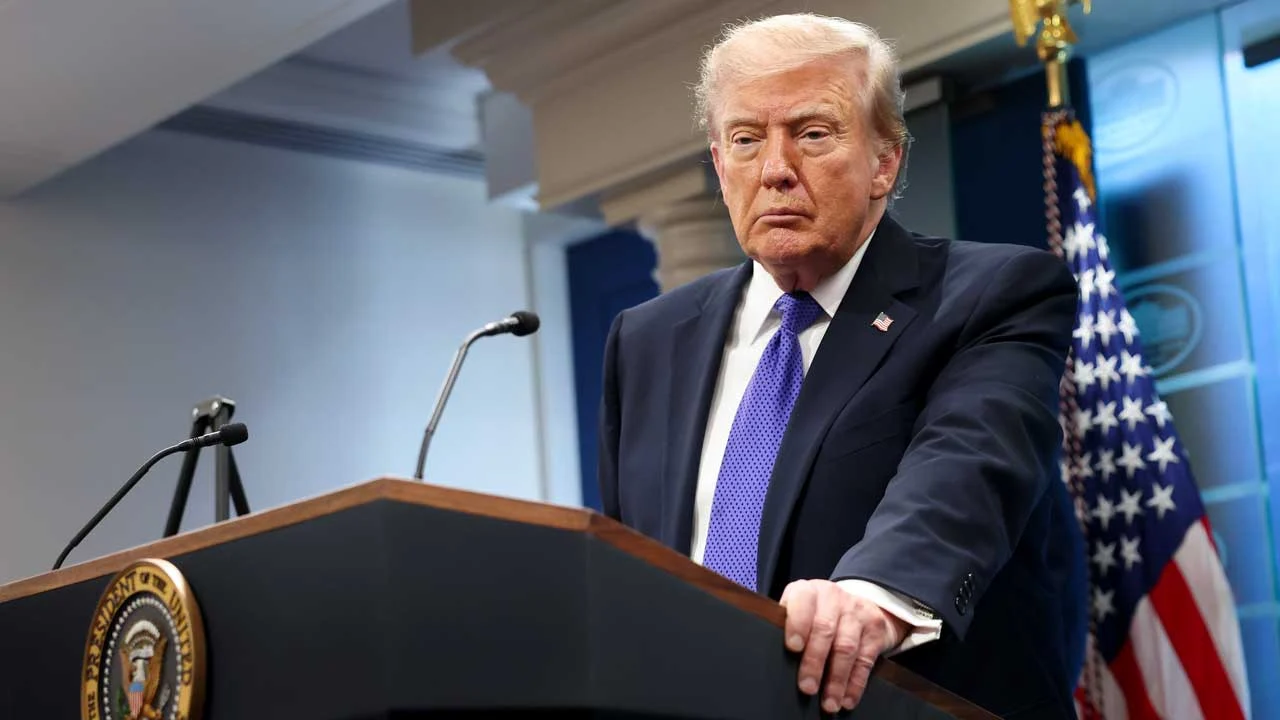
Nvidia’s board unanimously voted to restore Huang as president, chief executive and director on November 23 following direct intervention by President Donald Trump. Trump confirmed he spoke to directors to resolve national security questions. However, the decision has drawn bipartisan scrutiny in Washington. Huang is scheduled to testify before Congress next week as lawmakers prepare to investigate the company’s export compliance and the circumstances surrounding his reinstatement.
Meanwhile, data center operators across Southeast Asia face a shrinking window to obtain export licenses before the 90-day grace period expires in mid-February, leaving pending hardware orders on hold.