President Donald Trump said the war with Iran is effectively finished, but Tehran rejected the claim and Washington signaled its blockades will remain in place.
President Donald Trump announced at the White House on Monday that the war against Iran is militarily effectively over, adding that renewed American attacks are highly unlikely. Addressing reporters in the press briefing room, Trump pointed to positive momentum in negotiations following an Oval Office meeting with Qatar’s prime minister, BBC News reported.
Status quo and regional defenses
Trump said Washington won’t formally declare a complete conclusion to the conflict because Middle Eastern allies could still face Iranian aggression, Al Jazeera reported. Instead, the administration plans to maintain its naval blockade on Iranian ports and rely on Task Force Iron Gate, a military task force to cut off trade by land and through the Caspian Sea.
“We’re just keeping it the status quo,” Trump said, explaining that regional neighbors requested the posture. He noted that countries including Qatar, Saudi Arabia, the United Arab Emirates, Bahrain and Kuwait favor keeping the naval blockade rather than expanding hostilities. While Trump said renewed strikes are not expected, he declined to guarantee any formal ceasefire, stating that American forces remain ready to act if circumstances shift.
Tehran rejects talk of an ending
Officials in Tehran swiftly disputed Trump’s remarks, describing his statements about potential peace as a distraction. Mohsen Rezaei, the secretary of Iran’s Supreme National Security Council, wrote on social media that the war had already damaged the American government. He accused Washington of flailing like a desperate gambler and told officials to stop manufacturing fake news regarding negotiations.
Iranian President Masoud Pezeshkian addressed the conflict through the state-aligned Tasnim News Agency, saying Supreme Leader Mojtaba Khamenei had called for an end to a condition of neither war nor peace. Pezeshkian noted that Iran remains open to further diplomatic talks but will not accept coercion. “We will not surrender to force and bullying,” he said.
Months of fighting and domestic pressure
The conflict began in February following joint American and Israeli military strikes on Iran. Diplomatic efforts to resolve the war have taken place largely through mediators such as Qatar. Qatari Prime Minister Sheikh Mohammed bin Abdulrahman bin Jassim Al Thani visited the Oval Office on Monday, where he and Vice President JD Vance discussed ways to reach an agreement and halt the fighting.
The war has repeatedly spread across the region over recent months. Iranian strikes have hit Saudi Arabia, Qatar and the United Arab Emirates, and recurring threats of attacks have caused widespread disruption to commercial flights.
Trump has signaled a shift toward de-escalation following the November 3 midterm elections, where the Republican Party lost control of both the House of Representatives and the Senate. Prior to the vote, Trump described American actions as minor strikes on an Iranian island in the Strait of Hormuz. In an interview broadcast Sunday on 60 Minutes, he said he saw no reason to escalate the war.
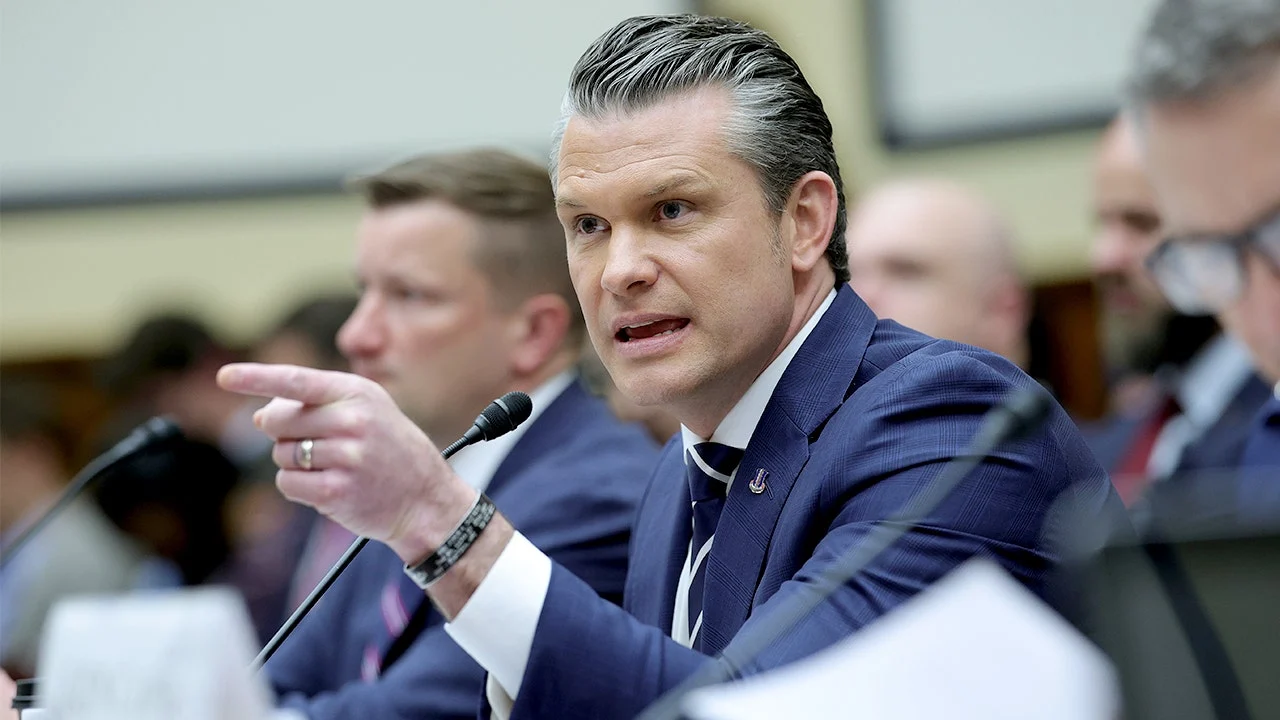
The war has also produced political friction in Washington. On Monday, Republican Representative Thomas Massie requested a vote in the House of Representatives to impeach Defense Secretary Pete Hegseth over the military campaign in Iran. Trump defended Hegseth, who called the effort a sham and said he didn’t worry about the threat. While the measure is unlikely to pass while Republicans retain control until January, Democrats have expressed willingness to pursue Hegseth’s impeachment once the new Congress convenes.