The Trump administration announced plans to dismantle methane emissions standards for oil and gas producers, targeting rules finalized under Biden.
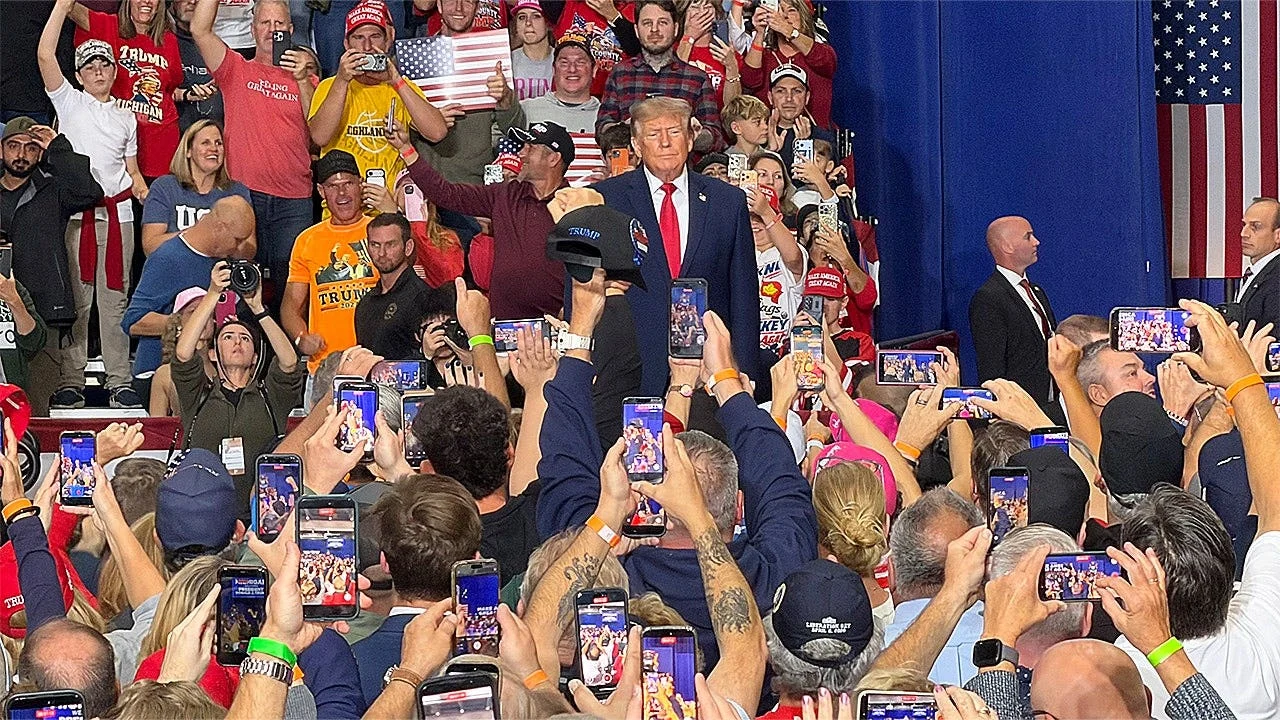
President Donald Trump announced Tuesday during a campaign rally in Texas that his administration plans to ease federal regulations on methane emissions from oil and gas operations.
Speaking in Texas a week ahead of midterm elections where polls show fuel costs remain a top concern for voters, Trump took aim at regulations that the Biden administration finalized in 2024. “Tonight, I’m officially terminating Biden’s expensive and unnecessary methane regulations to save consumers and energy producers,” Trump said, arguing that previous policies crushed small energy operators. As NBC News reported, the Environmental Protection Agency previewed the regulatory rollback earlier this month, focusing on easing rules for lower-production oil wells.
Targeting marginal wells and third-party monitoring
The proposed rollbacks specifically relax standards on low-production or marginal wells, also known as stripper wells. While these older sites account for only 6 percent to 8 percent of domestic oil and gas production, studies and reporting show they generate approximately half of the methane leaking into the atmosphere from the industry. Many of these wells operate close to the end of their operational lifespan or risk falling into unprofitability.
Industry groups like the National Stripper Well Association pushed for the regulatory shift, warning in a letter last month that compliance expenses would make operating the wells unaffordable. EPA Administrator Lee Zeldin stated that removing the standards will save oil and gas companies $45 billion, compared to an estimated $18 billion in regulatory compliance costs under the previous framework, according to The Verge.
The EPA also intends to eliminate the Super Emitter Program, an initiative designed to identify and report massive gas releases of 100 kilograms per hour or more using satellite data and thermal cameras. The Trump administration had already paused implementation of that program last year, and officials now want to close it entirely.
The role of methane in global warming
Methane is the main component of natural gas and serves as a major driver of climate change, trailing only carbon dioxide in overall impact. Scientists estimate that methane is roughly 80 times more potent at trapping atmospheric heat than carbon dioxide over a 20-year span, contributing to roughly 30 percent to one-third of all global warming to date.
Because methane breaks down in the atmosphere within about a decade, compared to carbon dioxide which can persist for centuries, climate scientists and regulators viewed plugging leaks across pipelines and drilling sites as one of the fastest available tools to curb near-term warming. Biden-era policies sought to slash methane emissions by 80 percent across a 14-year period.
Supporters of the earlier rules calculated that curbing leaks would yield up to $98 billion in public benefits, largely by curbing climate harm and lowering medical expenses tied to air pollution. Recapturing leaked gas was also estimated to retain up to $13 billion worth of fuel.
Health pushback and the path forward
Public health and environmental organizations strongly objected to the rollback, warning that allowing increased emissions harms air quality near extraction fields. Liz Scott, a senior director of national advocacy at the American Lung Association, noted that methane releases coincide with toxic volatile organic compounds that threaten surrounding neighborhoods.
Advocates also argued that failing to capture escaping gas makes poor business sense. David Doniger, a senior attorney at the Natural Resources Defense Council, told NBC News that “the industry doesn’t pay attention to leaks that it should,” pointing out that energy firms could earn more by piping gas to buyers rather than venting it.
Before the administration can make the rule changes final, the EPA must run a formal rulemaking process that includes a public comment period. Environmental organizations, including the Natural Resources Defense Council, plan to challenge any final revisions in federal court.
The methane proposal fits into a series of environmental rollbacks under Trump and Zeldin, who stated his goal is to eliminate climate-focused governance. The EPA repealed vehicle pollution standards in February, announced plans last month to relax limits on coal and gas power plants, and moved to reconsider the agency’s endangerment finding, even as recent Copernicus data confirmed that the past 11 years were the warmest on record.