The embassy urged extreme caution following weekend strikes that killed 13 people, while Donald Trump weighed military action.
The U.S. embassy in Saudi Arabia warned Americans on Monday to use extreme caution at all major airports across the kingdom after weekend attacks killed 13 people, including a U.S. citizen.
Strikes shut down Riyadh terminal
The embassy alert followed multiple strikes against Saudi aviation facilities over the weekend, CBS News reported. King Khalid International Airport in Riyadh and King Fahd International Airport in Dammam were targeted in attacks on October 11, the embassy stated.
A projectile struck the domestic terminal complex at King Khalid International Airport on Sunday, killing a Pakistani national and injuring 11 others, according to Saudi authorities. That attack came a day after a missile hit the same passenger terminal on Saturday, killing 12 people and wounding more than 300, some of them critically. One American was among those killed on Saturday, U.S. officials confirmed.
The Riyadh airport has been hit four times in the past five days and has remained closed since Saturday’s missile strike, making it the deadliest attack in a Gulf Arab nation since the Iran war started. Saudi Arabia’s aviation authority described the strikes as part of an ongoing campaign against civilian air travel facilities. The Saudi-led coalition fighting in Yemen blamed the strikes on Iran-backed Houthi fighters. While CBS News reported that Houthis claimed responsibility for strikes on the terminal and other sites, the network also noted that the group had not separately confirmed responsibility for Saturday’s strike on the airport.
US weighs military steps and enforces blockade
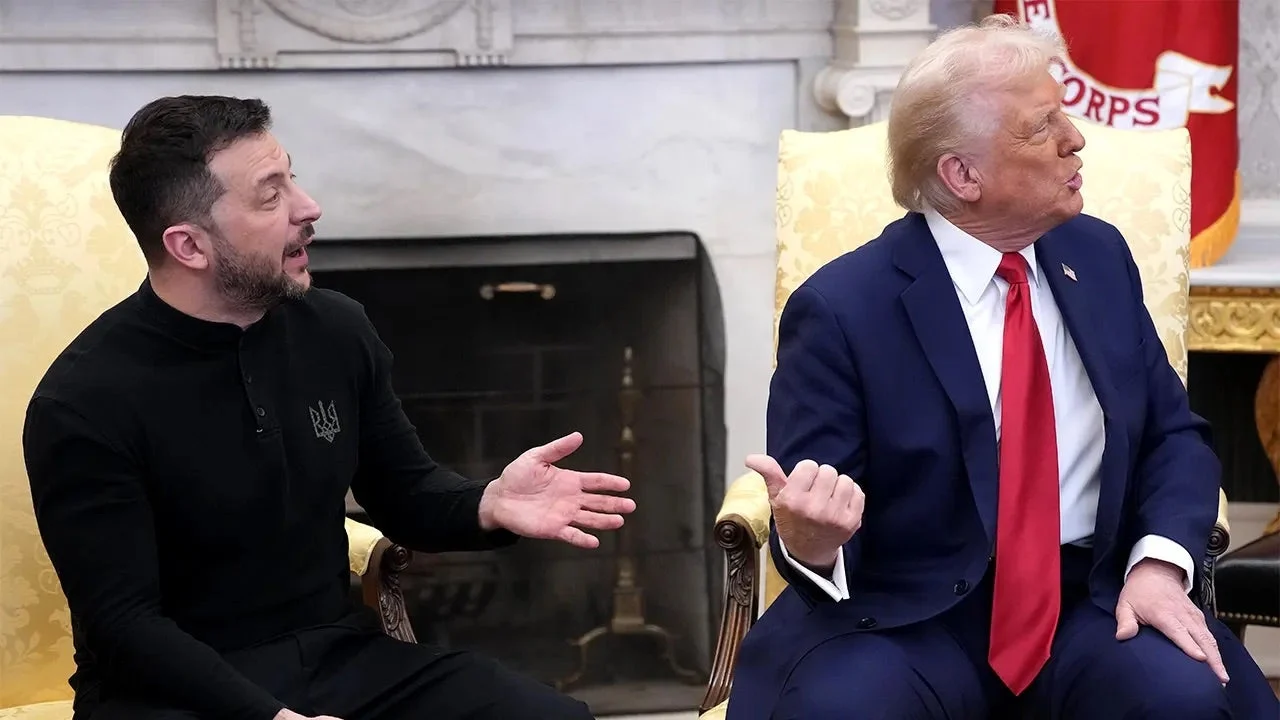
President Donald Trump said on Saturday that he is considering whether the U.S. should join Saudi Arabia’s military operations against Houthi forces in Yemen. Speaking to reporters as he left the White House for a campaign rally in Tennessee, Trump said officials were assessing their options following the airport attacks.
“We may. We’re gonna look at it,” Trump said when asked about entering the fight alongside Saudi Arabia.
Trump also indicated he might reconsider his timeline regarding Iran. Although he had announced on Thursday that Washington would not conduct strikes against Iran until after the U.S. midterm elections, he told reporters on Saturday that his administration would review that stance.
At sea, the U.S. military disabled a Panama-flagged commercial ship in the Gulf of Oman on Saturday, U.S. Central Command announced. A fighter jet fired a precision munition that knocked out the propulsion system of the Ocean Molica, also known as the Arika Sun, without injuring any crew members. Central Command stated the ship had departed an Iranian port and repeatedly ignored warnings while attempting to run an active naval blockade.
The blockade has been in place since July 14, following the collapse of a ceasefire between Washington and Tehran earlier in July. Central Command reported that American forces have disabled four commercial ships and turned back 135 vessels since the enforcement began. U.S. forces have also destroyed 10 tankers believed to belong to a shadow fleet transporting sanctioned Iranian petroleum products.
Diplomatic talks and regional friction
Iranian Foreign Minister Abbas Araghchi reached out to Saudi Foreign Minister Prince Faisal bin Farhan Al Saud by phone to discuss the escalating crisis, Al Jazeera reported. The Saudi state news agency confirmed that the two ministers discussed recent tensions following the airport strikes.
In a message posted Sunday on Telegram, Araghchi argued that relying on military force while ignoring political solutions would only worsen the conflict, adding that regional crises cannot be solved by arms. Araghchi stated that Iran is prepared to assist in opening direct talks between Saudi Arabia and Yemen to negotiate a political settlement. During the prior week, Araghchi had similarly maintained that negotiations based on justice and fairness were the only path to ending the war with the U.S.
Formal diplomatic relations between Saudi Arabia and Iran were reestablished under a Chinese-brokered deal in 2023, ending seven years of severed ties that fueled proxy wars across the Middle East. Both nations’ embassies have remained open since that agreement.
Tensions between the two countries have intensified since the U.S.-Israel war against Iran broke out in late February. Tehran and its regional allies have repeatedly struck U.S. military assets and energy installations across the region, including Saudi oil sites. Prince Faisal previously warned Tehran in March 2026 that Saudi Arabia’s patience with strikes against it and neighboring Gulf countries was limited, urging Iranian leaders to rethink their approach.