
Nothing. It is still running.
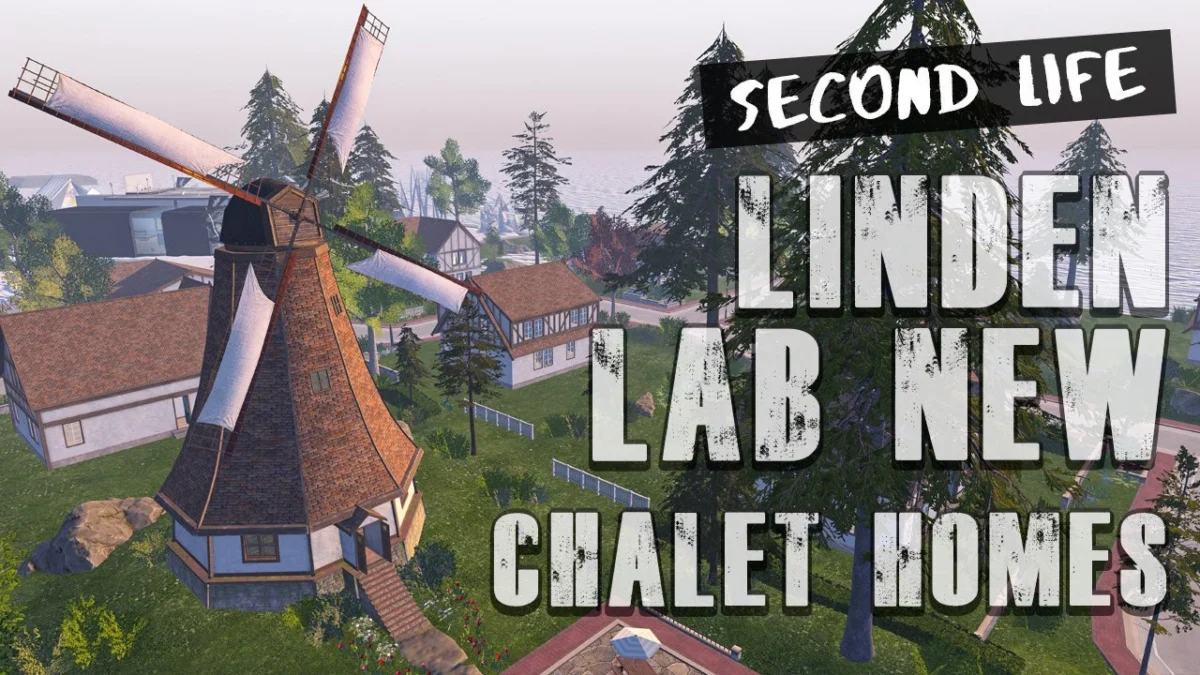
That is the honest answer and it is not a trick. Second Life has operated continuously under Linden Lab since the early 2000s, and it operates today.
Which makes this the most useful page in this cluster, for a reason that has nothing to do with Second Life: it is a running, decades-long, real-world test of the thing that was announced as new several times since, and the results are available to look at.
Why everybody thinks it died
Because the press stopped writing about it.
Around 2006 to 2008, Second Life was the subject of an enormous amount of coverage. Corporations opened virtual offices. News organizations set up bureaus. Universities built campuses. Reporters filed stories from inside it.
Then almost all of them left, and the coverage stopped.
The departure of the corporate presences was widely reported. The continued existence of the platform was not, because “a thing carried on happening” is not a story.
So the public record has a beginning and a middle and no end, and readers reasonably conclude the middle was the end.
This is a specific and repeatable failure mode of how technology gets covered, and it is worth naming because it produces a lot of wrong beliefs about what is still around.
What actually happened, which is more interesting than a death
The corporations left. A virtual branch office turned out to be a press release rather than a business, and once the press stopped attending, there was no reason to maintain it.
The residents stayed.
And what they were doing was never what the corporations were doing. People were building things, selling things they had made, running venues, holding events, teaching, and maintaining communities. None of that required anybody to write about it, so none of it was reported when the attention moved on.
There is a real economy inside it, in which people design and sell virtual goods and exchange in-world currency for real money. We state no figures for its size, because none was confirmed for this page and the numbers that circulate are widely repeated and rarely attributed.
And there are accessibility and community uses that get almost no coverage: people whose participation in a physical social space is limited, using a persistent virtual one. That is a real function it has served for two decades and it has never been the story.
Why this matters for the metaverse question
“Is this just what the metaverse was, already?”

Largely yes, and that is a genuinely useful observation rather than a cheap one.
Second Life did, twenty years ago and at meaningful scale: persistent avatars, user-built environments, an internal economy with real-money conversion, virtual land ownership, events and live performance, and businesses operated by residents.
When later metaverse projects were announced, most of the feature list was that list. The addition was the headset, and better graphics.
Which produces a testable question that a running platform can answer: if the concept works, why is the one that has been running for twenty years a modest, stable, unfashionable business rather than an enormous one?
Three answers are available from watching it, and they are all honest.
It works for the people it works for. A stable community that has been there for years is not a failure. It is a business that found its size.
The corporate use case was never real. It was not real in 2007 and it was not real in the later wave, and the same organizations tried the same thing twice.
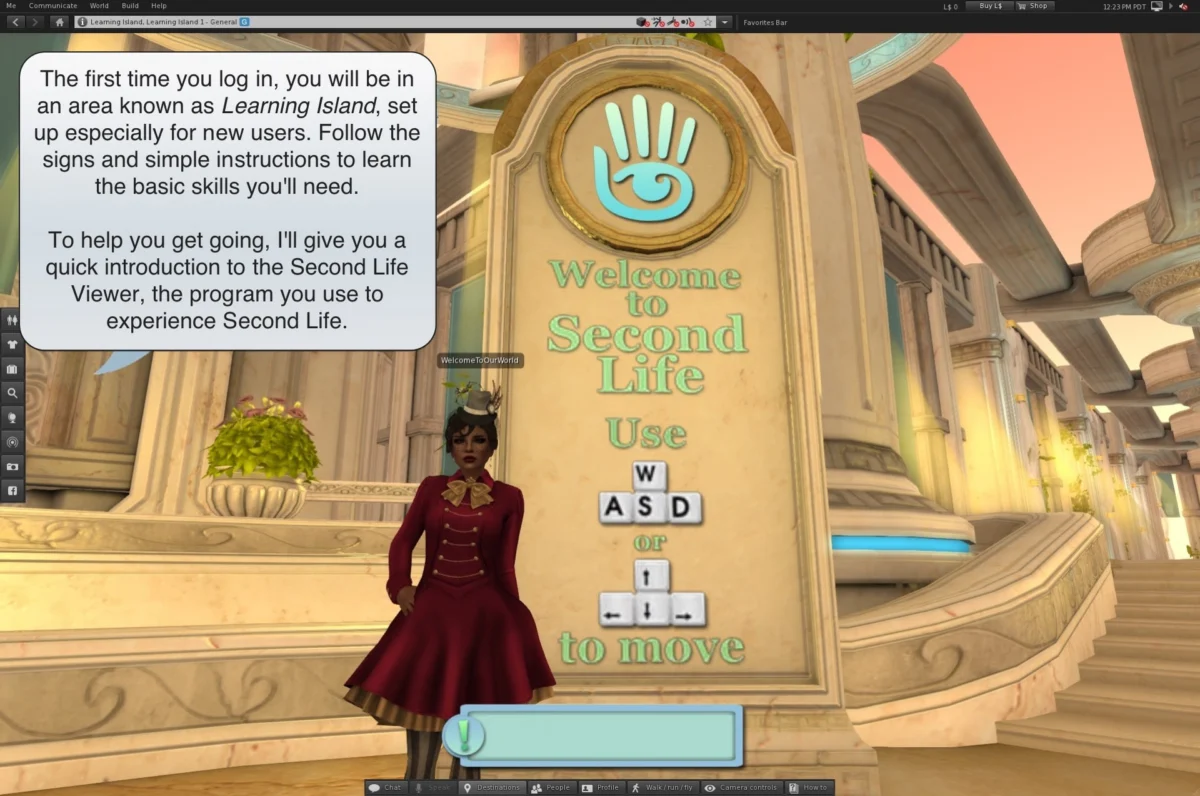
Persistent virtual worlds are demanding. They require time, learning and social investment. Products that require those things are not mass-market products, whatever hardware is attached to them.
The pattern this belongs to
This is the inverse of almost everything else in this cluster.
Most of these stories are about a product that was enormous and then vanished. What happened to MySpace is that shape, and so is most of the rest of this cluster.
This one is a product that was enormously covered, was never enormous, and did not vanish, and it demonstrates that press attention and existence are unrelated variables.
Which is a useful correction to carry into every other article on this site, and it applies to the current wave of announcements as much as it did to the last one.
What we are not going to publish
User, resident or concurrency counts, at any point. None confirmed.
Any figure for the size of the internal economy.
Land prices, currency rates or anything resembling purchase guidance. This site does not do that for physical goods and it certainly does not do it for virtual ones.

A verdict on whether any metaverse project will work. The observation on offer here is that a twenty-year experiment exists and can be looked at, which is more useful than a prediction.
FAQ
Is Second Life still running?
Yes. It has operated continuously under Linden Lab since the early 2000s and it operates today.
Why do people think Second Life died?
Because the press coverage stopped. Around 2006 to 2008 it was heavily reported, corporations opened virtual presences, and when those left, that was reported too. The platform continuing to run afterwards was not a story.
Is Second Life the same as the metaverse?
Most of the feature list announced for later metaverse projects, persistent avatars, user-built worlds, an internal economy with real-money conversion, virtual land, events and resident-run businesses, existed in Second Life twenty years earlier. The additions were the headset and the graphics.
Does Second Life have a real economy?
People design and sell virtual goods and exchange in-world currency for real money. This page states no figure for its size because none was confirmed at the time of writing.
Why is it not bigger?
It works for the people it works for, the corporate use case was never real in either wave, and persistent virtual worlds demand time and social investment, which is not a mass-market proposition regardless of the hardware.
This page publishes no user, resident or concurrency count, no figure for the size of the in-world economy, and no land price, currency rate or purchase guidance, because none was confirmed against a primary source at the time of writing.
The central claim, that Second Life continues to operate under Linden Lab, is stated as a general and readily checkable fact rather than as a sourced quotation.