Democrat Abdul El-Sayed defeated Republican Mike Rogers in Michigan, becoming the first Muslim elected to the U.S. Senate.
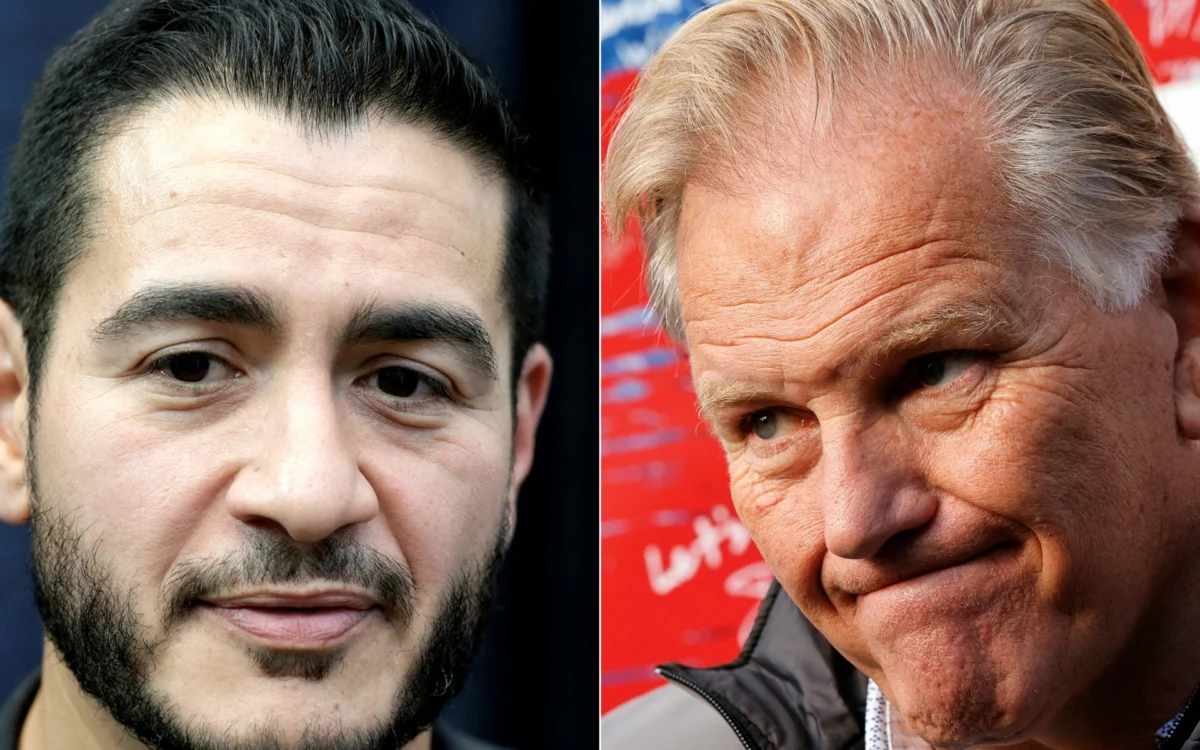
Democrat Abdul El-Sayed won Michigan’s open Senate seat on Wednesday, defeating Republican nominee Mike Rogers after a hostile campaign, NBC News projected. El-Sayed, a 42-year-old epidemiologist and former Wayne County health director, will succeed retiring Democratic Sen. Gary Peters and become the first Muslim elected to the U.S. Senate.
The victory concluded a tense general election that saw heavy spending and personal attacks as the Michigan Senate race between El-Sayed and Rogers reached its conclusion. Rogers, a 63-year-old former congressman, Army veteran and FBI agent, had previously run for the Senate in 2024, falling short by about 20,000 votes, CBS News reported. His defeat extended a long drought for Michigan Republicans, who haven’t won a Senate race in the state since 1994.
El-Sayed’s victory speech
Speaking to supporters early Wednesday, El-Sayed pushed back against attacks aimed at his background and faith. He told the crowd that he loved the country and told Rogers directly, “See, you chose hate, and Michigan chose hope.” He also spoke about Vice President JD Vance, with whom he had clashed during the campaign, noting that Vance would be the one to administer his Senate oath of office.
Throughout the race, El-Sayed ran on a progressive platform centered on universal healthcare, curbing campaign money and halting funds for foreign military conflicts. According to Al Jazeera, more than $100 million was poured into campaign advertisements following the August 4 primary. In his address, El-Sayed argued that tax dollars should be directed toward domestic needs and children rather than dropping explosives on other nations.
Attacks over faith and foreign policy
The contest turned increasingly bitter in its closing stages as prominent Republicans challenged El-Sayed’s religious background and political associations. President Donald Trump, who repeatedly used El-Sayed’s middle name Mohamed, claimed at a rally in Port Huron that El-Sayed was tied to the Muslim Brotherhood. At another rally in Youngstown, Ohio, Trump prompted the audience to chant calls for El-Sayed to be deported.
Texas Sen. Ted Cruz similarly alleged that El-Sayed supported the Muslim Brotherhood and claimed his election posed danger to the country. The Muslim Brotherhood is an international Sunni Islamist movement established in Egypt in 1928, and the Trump administration has designated several of its branches as terrorist organizations. El-Sayed rejected those claims, stating, “I have never been a member of the Muslim Brotherhood, I never will be a member of the Muslim Brotherhood.”
Partisan rifts and external disputes
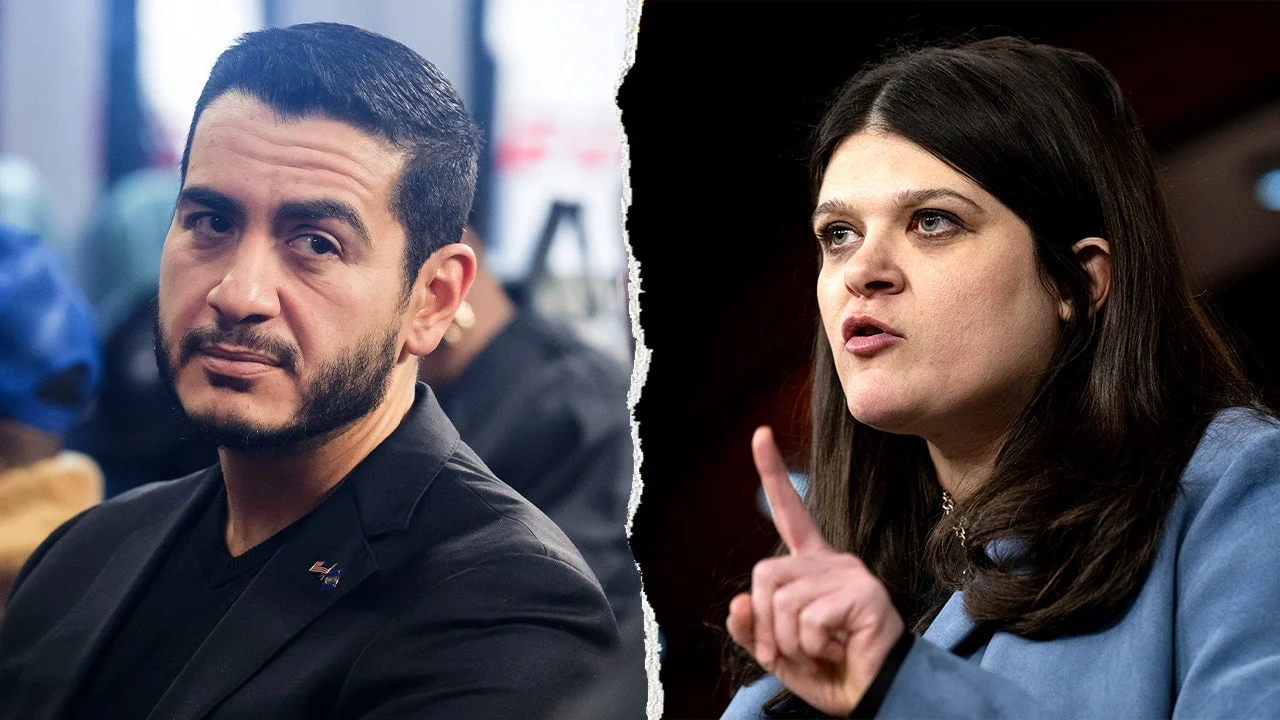
The race also exposed divisions within the Democratic Party. Democratic Rep. Haley Stevens, who lost to El-Sayed in the primary, broke party lines on Sunday after church services in Detroit to endorse Rogers. Her endorsement followed arguments over outside campaign advertisements and El-Sayed’s sharp criticisms of Israel, which he has accused of genocide. A pro-Israel political group linked to AIPAC spent over $30 million trying to defeat El-Sayed in the primary before running ads against him again in the general election.
Controversy also emerged online after political commentator Wajahat Ali claimed on social media that an El-Sayed loss would cause a radical backlash against moderate Democrats, Fox News reported. Several Muslim reformers and critics of political Islam, including Dalia Ziada and Dr. Zuhdi Jasser, criticized Ali’s statements as political intimidation.
Rogers faced difficulties tied to Trump’s broader agenda. While attempting to win swing voters, Rogers sought to step back from the administration’s tariffs on Canada and the war in Iran. In a late television interview, Rogers characterized his position on tariffs as temporary and targeted, while offering uncertain responses regarding the conflict in Iran. His loss followed a broader trend as Democrats won Senate control across competitive states.
What happens next for the Senate seat
El-Sayed will take office in Washington in January, when the new Congress convenes and Vance presides over the swearing-in ceremony. Rogers will return to private life after back-to-back Senate campaign defeats, while El-Sayed prepares to join the Senate alongside progressive allies who backed his campaign.