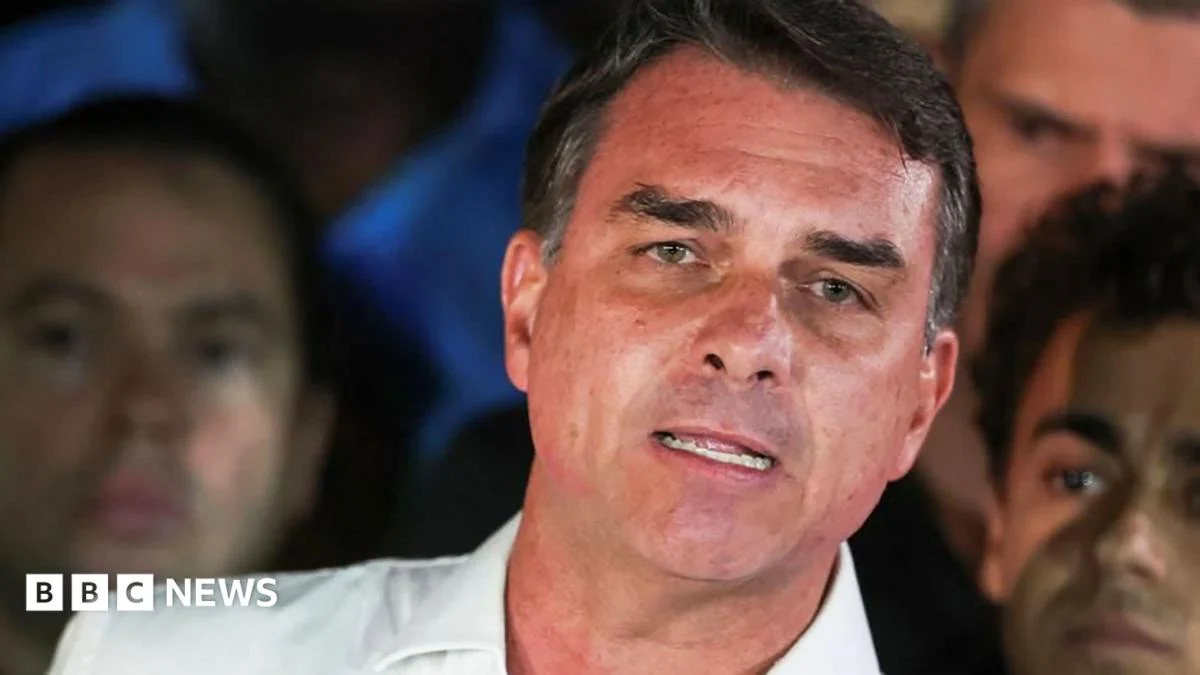
Partial election results show Benjamin Netanyahu and rival Gadi Eisenkot short of a parliamentary majority as Arab parties hold crucial seats.
Israeli election officials continued tallying ballots on Wednesday morning after Tuesday’s national vote left Prime Minister Benjamin Netanyahu and his rivals without a clear majority in parliament.
With about 70 percent of votes counted, Netanyahu’s right-wing and religious alliance held 54 seats in the 120-seat Knesset, Fox News reported. The main opposition alliance held 47 seats, while Arab parties accounted for 19 seats. Netanyahu’s Likud party held 27 seats, leading former military chief of staff Gadi Eisenkot’s Yashar party, which took 20 seats. The contest marked the nation’s first parliamentary election since the Oct. 7, 2023, attacks.
The vote followed a campaign marked by regional conflict and political tension, coming shortly after Trump endorsed Israeli Prime Minister Benjamin Netanyahu in an effort to lift his standing before the Oct. 27 balloting.
Turnout climbs as both sides claim success
Voter participation reached 77.7 percent, the highest rate recorded in an Israeli election since 1999, Al Jazeera reported. That figure was 7.1 percentage points above the turnout in 2022. The Central Elections Committee noted that military turnout surpassed 68 percent by late Tuesday afternoon, while more than 60,000 citizens returned from foreign countries to vote.
Both leading contenders spoke to supporters late Tuesday night. Eisenkot told followers at his Tel Aviv headquarters that “this will be a new start. A real new start on a new path. The old era is over, and Israel is starting a new era.” He urged Netanyahu to step aside based on initial indications.
Netanyahu rejected that demand at his Jerusalem headquarters, pointing to Likud’s position as the single largest party in the Knesset. Addressing the crowd, Netanyahu praised his cabinet’s military campaigns across Gaza, Lebanon and Syria, while pointing to an opportunity alongside President Donald Trump to confront Iran, Al Jazeera reported. On Wednesday morning, Trump credited his own endorsement with improving Netanyahu’s standing and turning an expected defeat into a competitive contest.
The vote followed months of domestic friction, during which Benjamin Netanyahu attacks critics and allies regarding wartime strategy and broader foreign policy goals.
Arab parties emerge as deciding factor
Parties outside Netanyahu’s right-wing camp hold 66 seats in total, which gives them a collective legislative majority if they cooperate. The Joint List claimed 13 seats and the Ra’am party held six, establishing Arab lawmakers as potential kingmakers.
Ra’am leader Mansour Abbas indicated he is open to discussions with any party. “Everyone is talking to us, not just the change bloc,” Abbas told Israel’s Channel 12. Arab politicians also condemned Netanyahu for online statements on Tuesday that accused Arab voters of rushing polling places to steal the election.
Democrats leader Yair Golan urged the opposition to partner with Arab lawmakers, arguing that every citizen’s ballot holds equal weight in a democracy. However, Eisenkot previously voiced opposition to adding Ra’am to a coalition, while Netanyahu has repeatedly insisted that no Israeli government should depend on Arab parties.
Next steps in forming a government
Neither side possesses an easy route to the 61 seats required to govern. Netanyahu needs to convince at least seven lawmakers outside his current camp to switch sides, while Eisenkot must gather enough recommendations from diverse factions to secure the mandate.
Israeli officials expect the full vote count by Friday, including special ballots from soldiers. The Central Elections Committee plans to publish official final results on Nov. 4.
President Isaac Herzog will then consult with leaders of all elected factions before choosing a lawmaker to assemble an administration. The chosen candidate will receive 28 days to conclude coalition negotiations, with the possibility of a 14-day extension before any threat of another national election.