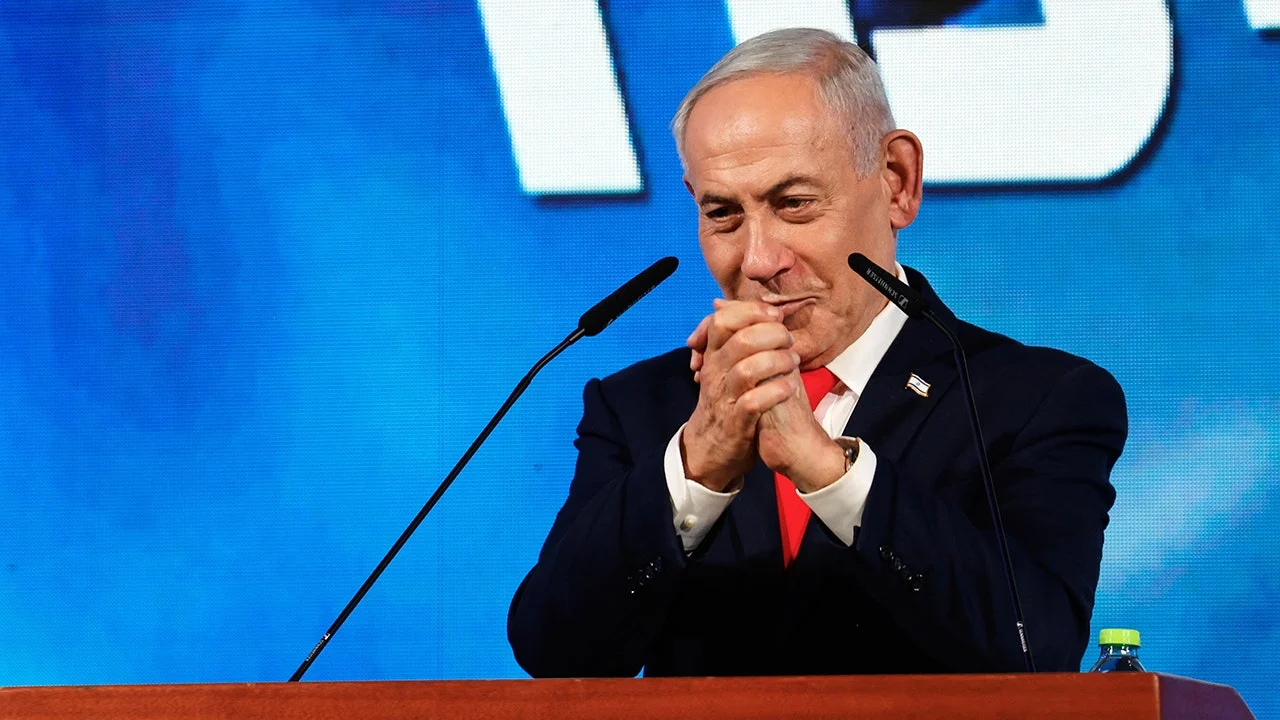

Final Israeli election results showed Benjamin Netanyahu’s bloc falling well short of a majority, prompting his party to allege foreign interference.
Final results from Israel’s parliamentary election confirmed Thursday that Prime Minister Benjamin Netanyahu’s right-wing bloc lost its majority, prompting his party to allege the vote was stolen through foreign interference. PBS NewsHour reported that official tallies gave Netanyahu’s bloc 53 seats in the 120-member Knesset, far below the 61 needed to form a government and down from the 68 seats it controlled at its peak.
The complete numbers confirm the stalemate that emerged earlier in the week, when an initial election count showed political deadlock with neither major faction able to secure a governing coalition on its own.
Main rival Gadi Eisenkot’s bloc captured 48 seats in Tuesday’s election, while Arab-led parties secured a historic 19 seats, according to NBC News. The count is complete, though the official results must still be formally certified and presented to President Isaac Herzog next Wednesday.

Fraud claims and security inquiries
Following the release of results, Netanyahu’s Likud party ramped up accusations against Arab-led parties. Likud released an inflammatory statement declaring, “The elections in Israel have been stolen!” The party claimed without evidence that foreign meddling was meant to enable a takeover of the Knesset and unseat the right-wing administration.
The rhetoric escalated after Supreme Court Justice Noam Sohlberg, who heads the central elections committee, asked the Shin Bet domestic security agency to investigate serious suspicions of foreign interference that were brought to him. Sohlberg noted he couldn’t verify the allegations himself. Israeli media reported that Likud members accused Qatar of interfering, an allegation the Qatari government quickly denied as ridiculous and dangerous.
Dean Livne, the acting director general of the election commission, said reports regarding the inquiry were entirely unfounded. Livne stated that the classified investigation doesn’t affect the final results that will go to the president and doesn’t single out any specific group of voters. In a separate letter to a lawmaker, the commission stated that allegations of widespread electoral fraud have no basis. The agency asked the Shin Bet to deliver its findings within a week.
Opposition pushback and coalition hurdles
Netanyahu’s rivals rejected the fraud accusations and accused him of attempting to derail the transfer of power. Eisenkot stated that Likud was trying to delegitimize the vote, saying, “They are doing this because they lost.” Eisenkot also dismissed the foreign meddling claim by sarcastically welcoming Netanyahu’s sudden condemnation of Qatari involvement, referencing past claims that former Netanyahu aides accepted money from Qatar.
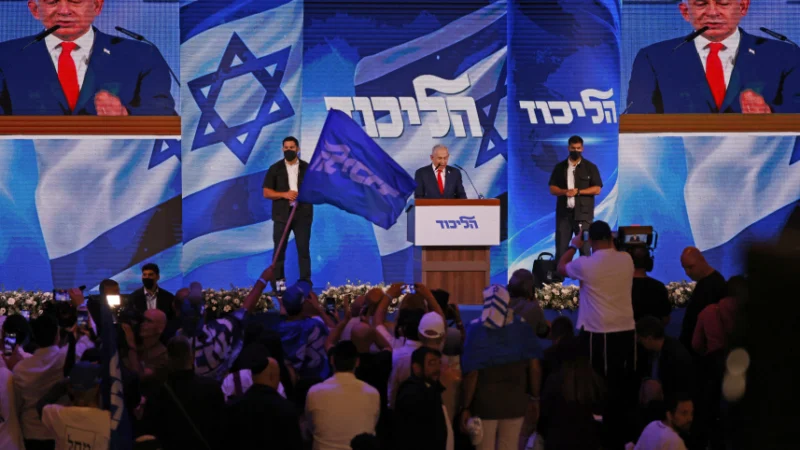
Leaders of Arab-led parties also condemned the claims. Mansour Abbas, head of the Ra’am party, welcomed the security probe, denied any involvement, and accused the prime minister of incitement against Arab citizens. The Joint List party said Netanyahu was the one trying to steal the election. Ahmad Tibi, a senior Joint List lawmaker, told Army Radio that opposition figures had already reached out to discuss replacing the Knesset speaker, and his party agreed to back their candidate.
Yair Golan, leader of the Democrats party, accused Netanyahu of running a campaign aimed at delegitimizing Arab voters. Arab citizens of Palestinian descent make up 20 percent of Israel’s population, descended from Palestinians who stayed after the 1948 war. Outrage over Netanyahu and his far-right coalition partners, including Finance Minister Bezalel Smotrich and National Security Minister Itamar Ben-Gvir, drove Arab voters to the polls in record numbers.
Next steps in the Knesset
The election results leave Israel facing a difficult path toward building a government. Netanyahu remains prime minister while negotiations take place. For Netanyahu, losing office carries high stakes: he faces ongoing corruption trials and probable inquiries into the intelligence and defense failures surrounding the Oct. 7, 2023, Hamas-led assault.
Neither major bloc holds enough seats alone. While both Netanyahu and Eisenkot previously dismissed entering a coalition with Arab parties, Eisenkot has signaled openness under certain conditions to working with them. In Tel Aviv and Jerusalem, demonstrators held rallies advocating for a coalition that includes Arab-led parties.
Once certified results are delivered next Wednesday, President Herzog will meet with party heads and select the candidate who seems most capable of assembling a 61-seat majority. Herzog called this a sensitive moment and urged the public not to disparage an entire community that voted legally. If lawmakers can’t assemble a working coalition after repeated tries, the country could face another national election early next year.