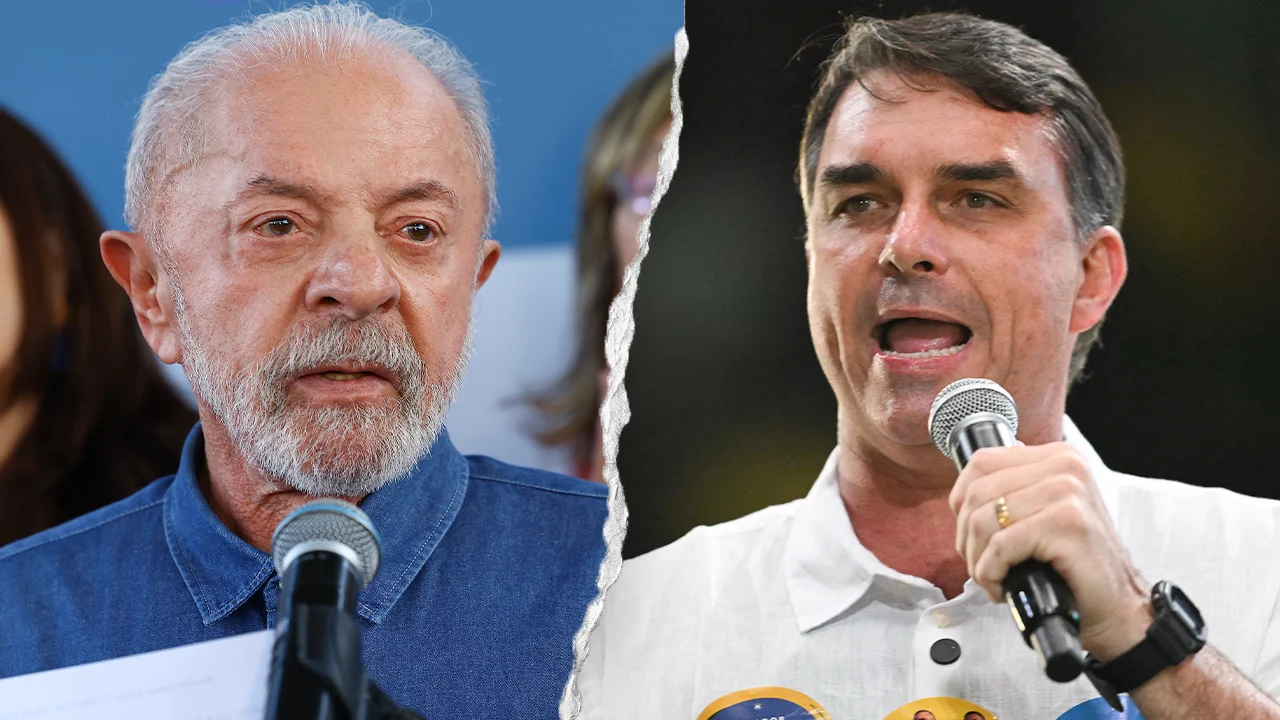

President Luiz Inacio Lula da Silva secured 51.79% of the vote in Sunday’s presidential runoff, defeating Senator Flavio Bolsonaro and becoming the first candidate to win after trailing in the first round since 1985. Bolsonaro has refused to concede and called for the result to be annulled.
Lula claims victory after trailing in first round
President Luiz Inacio Lula da Silva won Brazil’s presidential runoff on Sunday, defeating Senator Flavio Bolsonaro with 51.79% of valid votes, according to the final tally Al Jazeera reported. Lula became the first candidate since Brazil’s return to democracy in 1985 to be elected after finishing second in the first round BBC News reported.
Lula’s 64.26 million votes put him more than 4 million ahead of Bolsonaro, who received 48.21% or 59.83 million votes. The result marked a significant turnaround from the October 4 first round, where Bolsonaro led Lula by roughly 2.2 million votes.
How Lula reversed his first-round deficit
Lula’s comeback was powered by a renewed grassroots campaign, youth mobilisation, and a shift towards digital campaigning, analysts told Al Jazeera Al Jazeera reported. Observers said young people organised online after the first round, boosting turnout and energising the campaign.
Turnout on Sunday was 80.8%, nearly 2 percentage points higher than in the previous round, when 78.92% voted Al Jazeera reported. Abstention dropped to about 19% in the runoff, the largest decline in abstention between rounds since 1989, BBC News reported.
Fernando Brancoli, an international relations professor, told Al Jazeera that many voters who stayed home in the first round participated in the second. Some first-round Bolsonaro voters may have switched to Lula, though detailed voting patterns remain unclear.
Bolsonaro refuses to concede and challenges the result
Senator Flavio Bolsonaro has refused to concede and called for the runoff result to be annulled, citing the Supreme Court’s decision to extend voting by two hours Al Jazeera reported. Both campaigns requested the extension due to transport disruptions and severe weather, according to BBC News.
Some Bolsonaro supporters pointed to potential bias because the Supreme Court justice who ordered the extension had previously been Lula’s lawyer. However, the president of the Supreme Electoral Court, who was appointed by Jair Bolsonaro, confirmed Lula’s victory and said the extension did not change the race’s outcome BBC News reported.
Experts described Bolsonaro’s legal arguments as weak, noting that both sides had asked for more time to vote Al Jazeera reported. The 4.4 million vote gap also makes overturning the result difficult, according to BBC News.
What happens next for Lula and Brazil
Lula’s fourth term is set to begin on 5 January. Despite his win, analysts said he faces a conservative-dominated Congress that could limit his legislative agenda. Bolsonaro’s allies may control more than 280 seats in the lower house and up to 50 in the Senate, potentially giving them majorities in both chambers Al Jazeera reported.
Economic pressures are also significant, with public debt exceeding 82% of GDP and projected growth of 2.3% next year. Lula will need to address security and household debt, issues that made the election competitive, according to experts cited by Al Jazeera.
Markets reacted negatively to Lula’s win, with the Sao Paolo stock exchange opening 15% down and interest rate futures rising as investors watched Lula’s fiscal plans BBC News reported.
So far: Lula defeats Flavio Bolsonaro to win fourth term in Brazil
This result follows the runoff election in which incumbent Luiz Inacio Lula da Silva overcame a first-round deficit to win more than 51 percent of the vote Lula defeats Flavio Bolsonaro to win fourth term in Brazil.