Incumbent Luiz Inacio Lula da Silva won more than 51 percent of the vote in Sunday’s runoff election, overcoming a first-round deficit.
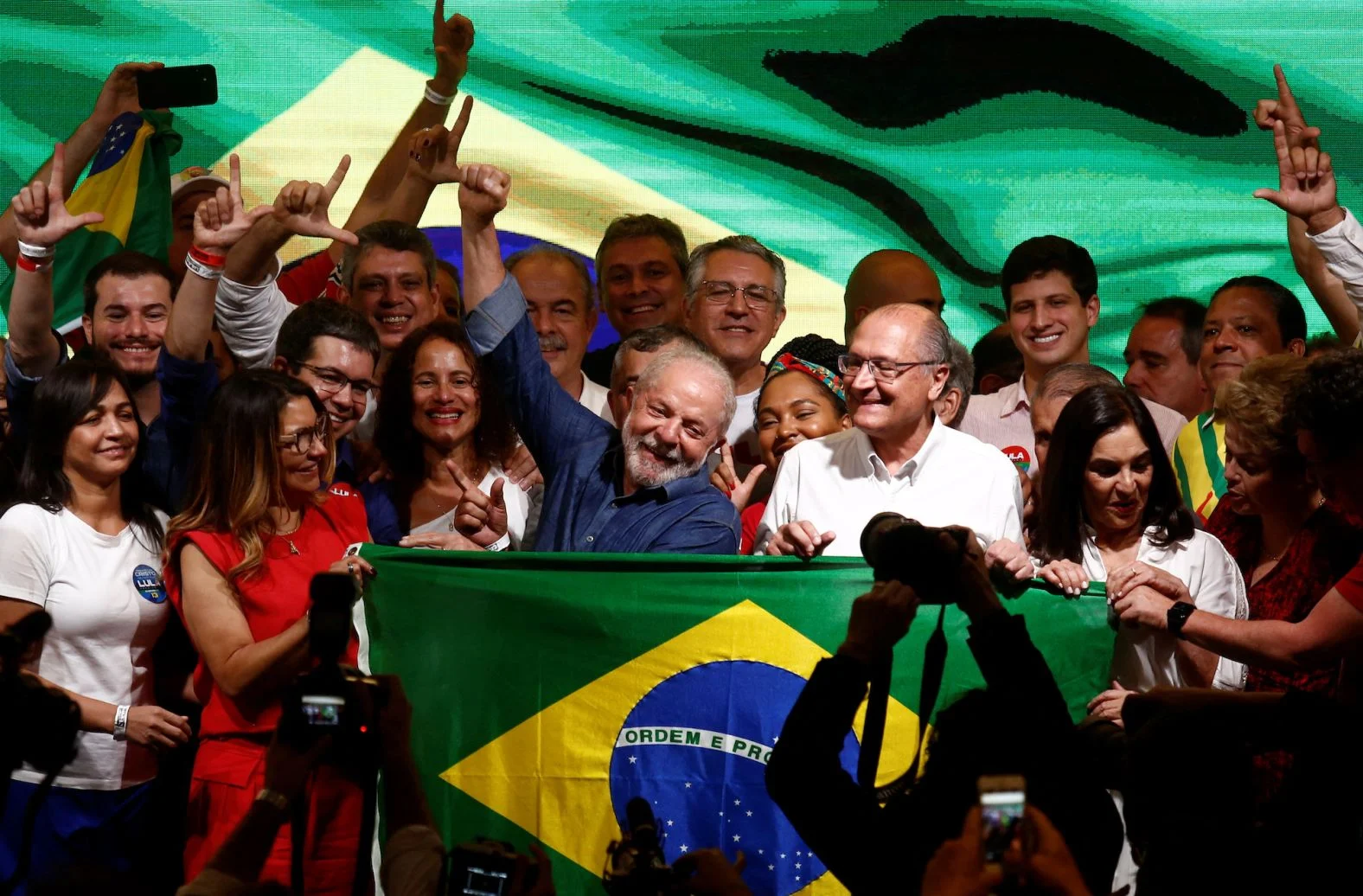
Incumbent Brazilian President Luiz Inacio Lula da Silva defeated right-wing Senator Flavio Bolsonaro in Sunday’s presidential runoff, staging a comeback to secure an unprecedented fourth term in office. Brazil’s Superior Electoral Court called the race shortly after 9 p.m. Brasilia time, with Lula winning more than 51 percent of the vote, according to Al Jazeera. Bolsonaro captured 48 percent of the ballots cast, leaving the two candidates separated by more than 4 million votes.
The outcome decided a closely fought race after Brazilians voted in the presidential runoff between Lula and Bolsonaro following weeks of narrow polling margins.
Lula had trailed after the first round on Oct. 4, when Bolsonaro captured 47 percent of the vote to Lula’s 45 percent, but neither candidate secured the 50 percent needed to win outright, Fox News reported. The turnaround made Lula the first candidate in modern Brazilian history to lose the opening round of a presidential race and go on to win the runoff. Workers’ Party head Edinho Silva posted on social media, “A historic turning point for democracy,” as supporters gathered to celebrate.
Turnout challenges and regional results
Heavy rains and transit disputes disrupted voting across the country on Sunday. Allies of Lula accused Bolsonaro supporters of reducing local bus schedules to limit turnout among working-class voters. Meanwhile, intense rainstorms hit southern areas of Brazil, where Bolsonaro held strong support. After both campaigns asked the Supreme Court for an extension, polling stations stayed open two hours longer than scheduled, closing at 7 p.m. Brasilia time.
Regional voting patterns showed Brazil’s deep political divide. Bolsonaro won southern strongholds including Rio de Janeiro, Sao Paulo, Parana and Rio Grande do Sul, though with smaller margins than he recorded in the first round. He also won heavily among overseas voters in Japan, while Lula dominated among Brazilian expatriates in Germany.
Lula leaned on his support in the North and Northeast, where the Workers’ Party has maintained decades of loyalty through its social programs. In the bellwether state of Minas Gerais, which Bolsonaro carried by five percentage points in the first round, the two rivals finished essentially tied.
Campaign focus on the economy and crime
Bolsonaro built his campaign around household economic strain and public safety. He argued that the Lula administration had expanded government spending, raised taxes and accumulated debt, connecting those policies to inflation and cost-of-living increases for working-class and middle-class families. He also emphasized tough law-and-order policies in response to public anxiety over violent crime. Bolsonaro entered the runoff with endorsements from former Minas Gerais Governor Romeu Zema, former Goias Governor Ronaldo Caiado and author Augusto Cury.
Lula focused on economic relief during the weeks before the runoff. He championed a constitutional amendment passed this month that reduced the Brazilian workweek, raised the possibility of offering free public transportation on weekends, and enacted a September ban on online gambling and sports betting apps to address rising household debt.
Next steps and a conservative legislature
Lula is scheduled to take the oath of office on Jan. 5, 2027. At age 80, the former metalworkers union leader will extend his record as the oldest Brazilian president sworn into office since the return of democracy. He previously served two terms between 2002 and 2010 before winning a third term in 2022 against Flavio Bolsonaro’s father, former President Jair Bolsonaro. The elder Bolsonaro was later sentenced to 27 years in prison for planning a coup following that defeat.
Despite securing a fourth term, Lula will face major legislative resistance. Brazilian voters recently elected a center-right and right-wing congressional majority described as one of the most conservative in the nation’s modern history. In addition, Bolsonaro-aligned candidates appeared poised to win most of the governor runoffs held Sunday across five states and the federal district of Brasilia.