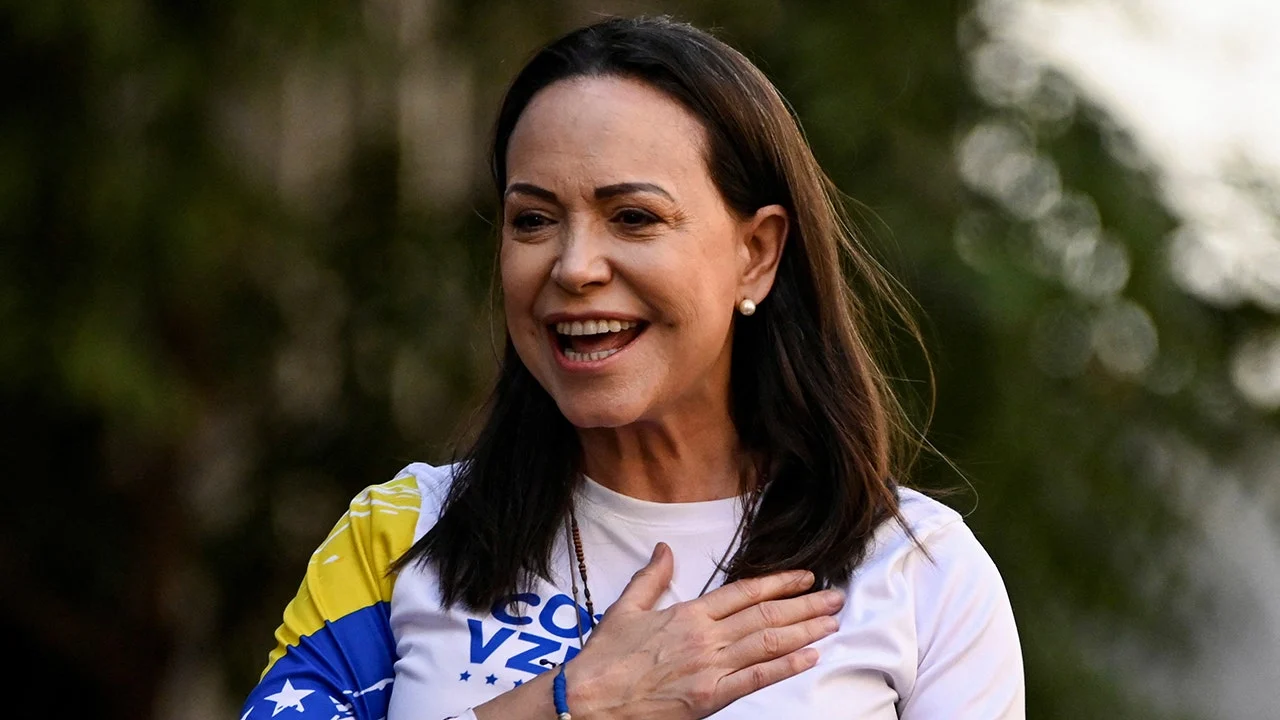
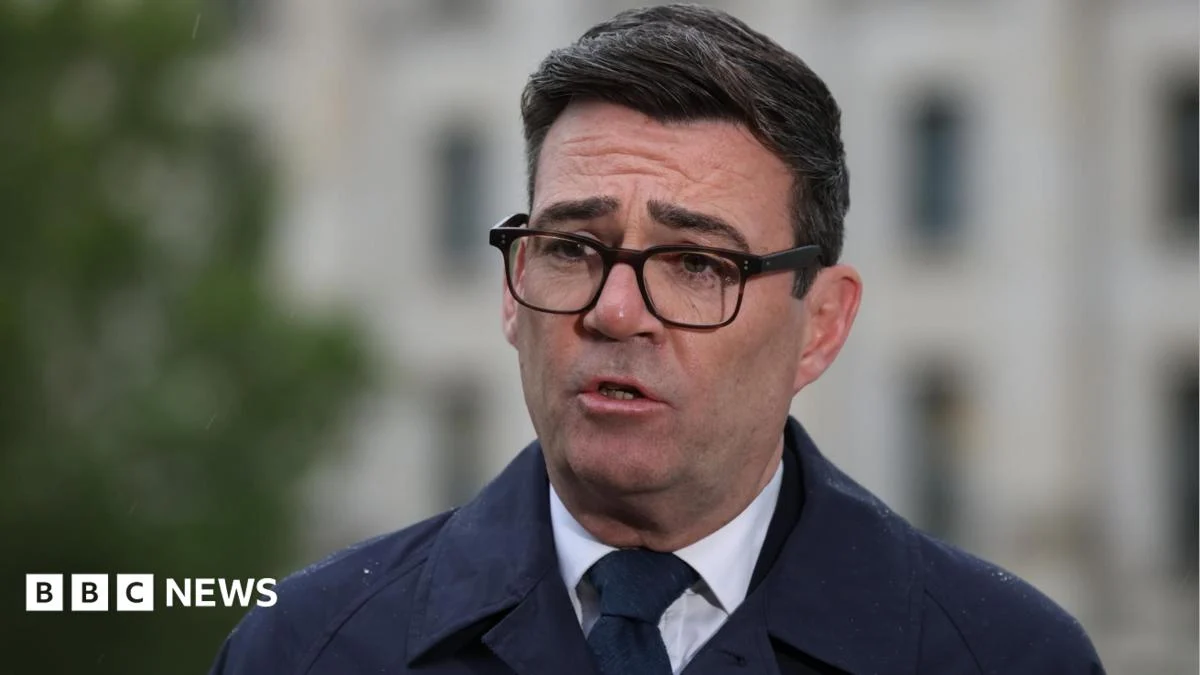
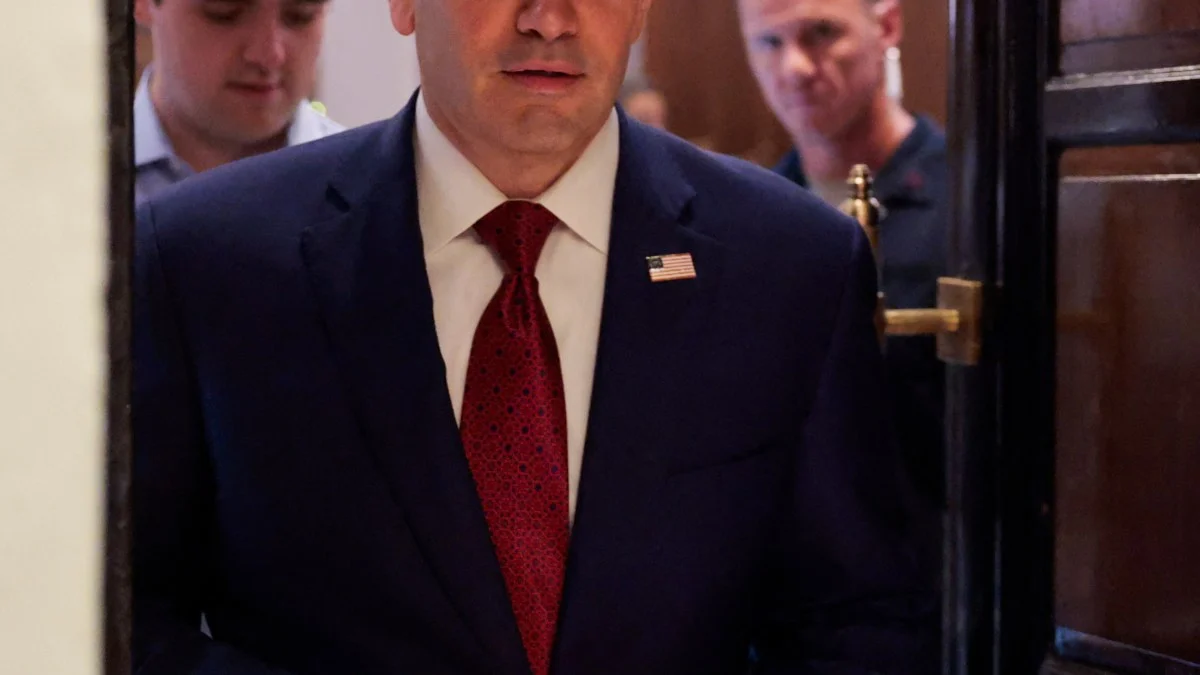
Voters cast ballots Sunday in a tight contest between incumbent President Luiz Inacio Lula da Silva and Senator Flavio Bolsonaro.
Brazilians voted Sunday in a polarized presidential runoff between incumbent President Luiz Inacio Lula da Silva and Senator Flavio Bolsonaro, with pre-election polls showing a neck-and-neck contest PBS NewsHour reported. The candidate who secures more than 50% of the vote will take office in January as the leader of Latin America’s largest economy and most populous nation.
A clash of visions and legal troubles
Flavio Bolsonaro, an ally of U.S. President Donald Trump and the son of imprisoned former President Jair Bolsonaro, led Lula by more than 2.2 million votes in the first round of voting earlier this month. More than 33 million voters out of nearly 160 million did not cast ballots in that round, even though voting is compulsory in Brazil.
Four years ago, Lula defeated Jair Bolsonaro by the narrowest margin recorded since the country returned to democracy in 1985. In this race, the candidates offer starkly contrasting positions on social welfare programs, climate policies and diplomatic ties with the United States. A win for Bolsonaro would steer Brazil toward the right after Trump allies won elections in Chile, Peru and Colombia, while a victory for Lula would leave left-of-center leaders governing Brazil and Mexico.
Both candidates carried legal troubles into the vote. Lula spent more than a year in prison on corruption convictions that courts eventually annulled. Flavio Bolsonaro faces an investigation into corruption, money laundering and tax evasion after acknowledging he took roughly $12 million from disgraced former banker Daniel Vorcaro to finance a film about his father.
Disputes over voting access on election day
Transit disputes disrupted voting in some regions on Sunday. In Bahia state, a stronghold for Lula where voters rely heavily on municipal buses, a state electoral judge found that at least 75 public buses were stopped from leaving municipal depots during the runoff CBS News reported. The judge ordered the arrest of Salvador mobility secretary Pablo Souza in connection with the incident.
Salvador Mayor Bruno Reis, an ally of Bolsonaro, stated that the transit vehicles were held because trade union members had illegally placed Workers’ Party campaign materials on them. Kassio Nunes Marques, the president of Brazil’s Superior Electoral Court, said authorities received and were reviewing a report on the bus disruptions. Lula asked officials to extend voting hours in Salvador and in Sao Paulo, where transit problems were also reported in a city led by a Bolsonaro-allied mayor.
“We will not be robbed by mayors, governors or businessmen,” Lula told the press regarding the transit problems, adding that officials must respect democracy. Bolsonaro did not immediately comment on the transit reports, while international observers said earlier in the day that voting was transparent and peaceful.
Economic promises and the Trump administration
Bolsonaro built his campaign around a tough-on-crime agenda and promises to reduce food prices. Lula, who previously led the country from 2003 to 2010 before returning to the presidency, faced voter dissatisfaction over security and living costs. To attract undecided voters after his first-round defeat, Lula’s administration backed debt relief for small companies, promised free weekend bus transit and won Senate passage for a plan to eliminate the six-day workweek.
Lula also raised warnings about American influence after the Trump administration placed steep tariffs on Brazilian exports and designated drug-trafficking groups as foreign terrorist organizations. Bolsonaro pointed to his close ties to the White House, rejected claims that the American government was assisting his campaign and argued for improved trade pacts with Washington involving rare minerals, where Brazil holds an estimated 21 million tons of reserves. Trump said Sunday that he was watching the election but did not endorse a candidate.
What comes next for the presidency
The winner of Sunday’s runoff will take office in January and will appoint at least three justices to Brazil’s 11-member Supreme Court because of upcoming retirements. The court has faced its own corruption allegations, and Bolsonaro has pledged to seek judicial changes and an amnesty for his father, who remains under house arrest for attempting a coup.
Lula cast his ballot in Sao Bernardo do Campo, where he started his career as a union organizer in the 1960s. “It is a lot of generosity, a lot of care, a lot of love. I will be forever grateful,” Lula said after voting. Bolsonaro voted at a school in Rio de Janeiro around 8 a.m. and told reporters that Brazil could not continue on its current course.
Voting across Brazil is conducted electronically, and electoral officials typically release complete results within hours after polling places close at 5 p.m. Brasilia time.