
Michael Smith was ordered to forfeit over $8 million after using automated bots to generate billions of fake plays across major streaming platforms.
A North Carolina man has received an 18-month prison sentence for running a multiyear scheme that used bot networks to generate more than $8 million in fraudulent streaming royalties from artificial intelligence music, TechRadar reported.
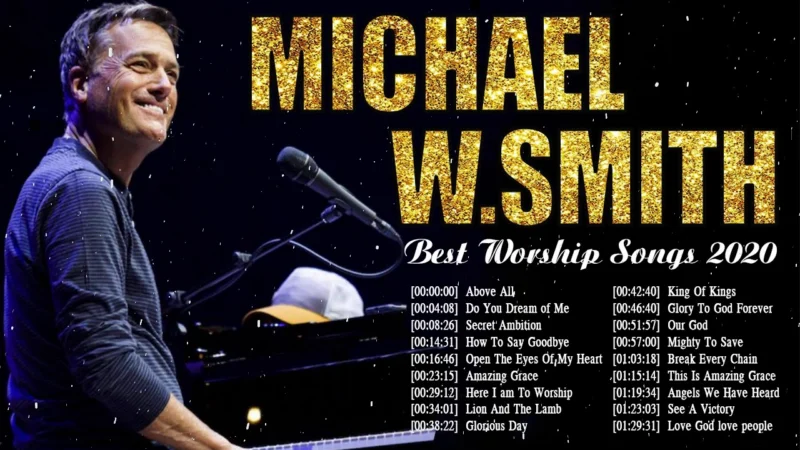
Michael Smith, of Cornelius, North Carolina, uploaded hundreds of thousands of songs to streaming platforms, including Spotify, Apple Music and Amazon Music, between 2017 and 2024. To collect payouts through the services’ per-stream royalty models, Smith used automated software to inflate his catalog’s play counts to billions of streams. In addition to the prison term, he was ordered to forfeit $8,091,843.64 and will serve two years of supervised release.
How the bot network operated
According to TechSpot, Smith admitted that he operated 52 cloud service accounts, each managing 20 bots, giving him access to 1,040 automated agents linked to virtual private networks. Those bots played roughly 636 songs per day, generating around 661,440 daily plays for his tracks.

The US Department of Justice offered a larger estimate, stating that Smith deployed as many as 10,000 bots at a time. The federal agency noted that in April 2023, Taylor Swift’s catalog received 9.3 million plays on YouTube Music, while Smith’s music recorded 80.9 million plays on the service over the same month.
Charges and the impact on royalties
Authorities charged Smith in September 2024 with wire fraud conspiracy, wire fraud and money laundering conspiracy. He faced a sentence of up to five years in prison before pleading guilty to a single count of conspiring to commit wire fraud in March 2026.

Federal prosecutors focused on the financial manipulation rather than the creation of AI music itself. The Justice Department stated that “streaming fraud diverts funds from musicians and songwriters whose songs were legitimately streamed by real consumers to those who use automation to falsely create the appearance of legitimate streaming.”
The case comes as platforms face vast numbers of automated tracks. Oliver Schusser, vice president of Apple Music, explained that while more than a third of the tracks on the service are “100% AI,” they get “below 0.5% of usage.” Meanwhile, Google announced that it has watermarked 240,000 years of AI-generated audio and 180 billion AI images and videos through its SynthID Detector tool, which supports content made by Google, OpenAI, Nvidia and Kakao, with Apple scheduled to follow soon.