U.S. General Alexus Grynkewich outlined a strategy to deter any Russian assault on allied territory. European leaders continue to sound alarms over sabotage plots and drone incursions.
NATO forces are ready to fight immediately if an adversary attacks the alliance, its top military commander said in Poland on Monday. Speaking at the Warsaw Security Forum, U.S. Air Force General Alexus Grynkewich outlined what he termed NATO’s theory of victory to stop any Russian offensive and prevent Moscow from seizing allied territory, The Associated Press reported. Grynkewich emphasized that the defensive coalition doesn’t view open conflict as imminent or inevitable, adding that war preparation and open communications remain the best ways to keep the peace, Al Jazeera reported.
The speech follows intelligence alerts across Eastern Europe, where Poland warned Russia is planning a major attack to test NATO through cross-border airspace breaches and sabotage. Polish Prime Minister Donald Tusk said Moscow intends to escalate with drone or missile strikes against nations supporting Ukraine, potentially disguising attacks as accidents to weaken allied unity and delay mutual defense responses.
How NATO plans to stop an assault
Grynkewich declined to provide details about specific troop numbers, target locations or the exact nature of incoming attacks NATO expects. Instead, he explained that the alliance will rely on sensors, autonomous systems and combined air, ground and sea units to halt any opening assault. If an adversary continues fighting, NATO forces will blunt the advance and dismantle the hostile military structure operating against member states.
The general noted that counterstrikes would not focus solely on attacking units. Operations would also target everything that sustains, directs and controls hostile forces. Addressing attendees at the security forum in Warsaw, Grynkewich said, “We will, in short, ensure any attack, against any ally, proves utterly futile.”
Allied militaries are working to bolster their detection technology to meet these goals. Col. Martin O’Donnell, a spokesperson for Grynkewich, said member nations are establishing an integrated network connecting ground sensors with systems that shoot down drones. That network hasn’t downed any drones yet, and several NATO countries previously struggled during drone warfare exercises and had trouble detecting unauthorized flights into their airspace.
Sabotage plots and drone incursions across Europe
European governments have recorded a surge in covert Russian operations in recent months. Western officials have attributed at least 211 suspicious incidents across the continent to Moscow since the 2022 invasion of Ukraine. In September, German officials accused Russia of plotting to attack a Ukrainian aircraft at Leipzig airport with an explosive drone. British authorities said they thwarted a Russian plot targeting a drone facility outside London, and Estonia reported an arson attack against a local defense business.
Airspace intrusions have also raised alarms near eastern borders. Multiple attack drones have crashed in NATO states bordering Belarus, Russia and Ukraine, and Lithuanian authorities urged Vilnius residents to seek shelter in May after a drone crossed into national territory. Denmark’s Defense Intelligence Agency warned of a low but growing risk of limited Russian attacks on bordering nations, noting Moscow could deploy Ukrainian drones to obscure responsibility. However, Danish intelligence officials and O’Donnell pointed out that Russia’s ongoing war in Ukraine makes an outright assault on NATO difficult to execute.
Political friction and statements from Moscow
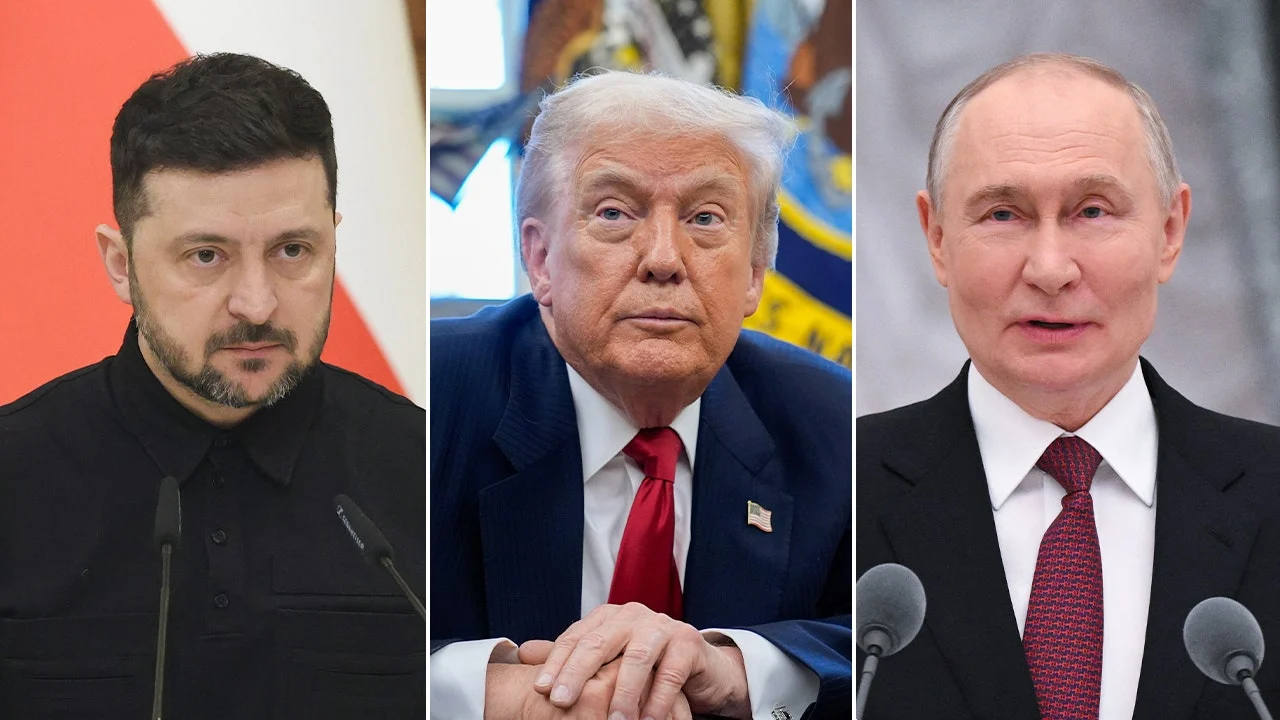
Russian President Vladimir Putin insisted earlier this month that Moscow has no intention of attacking European nations and seeks peaceful coexistence. European officials dismissed those remarks, pointing out that Moscow gave similar assurances before its 2022 full-scale invasion of Ukraine. While Moscow denies running hybrid sabotage operations, Russian officials warned last month that the country could use nuclear weapons if NATO tried to isolate Kaliningrad, Russia’s military outpost on the Baltic Sea.
The commander’s remarks came during a period of diplomatic friction inside the alliance. U.S. President Donald Trump struck a deal to purchase Russian diesel to lower fuel costs before midterm elections, pulled American troops from Europe earlier this year, and entered a conflict with Iran that depleted advanced European air defense stockpiles. Grynkewich insisted that while troop deployments remain political decisions, Washington’s commitment to NATO shouldn’t be doubted. Recalling Trump’s reception at an Ankara summit in July, Grynkewich said, “I was in the room and I felt the love.”