Officials are examining why air defenses failed to intercept strikes on Riyadh’s airport as the kingdom extends flight cancellations.
Saudi Arabia opened an inquiry on Monday into why its air defense networks failed to detect and intercept a barrage of drones and missiles fired by Yemen’s Houthi rebels at the capital’s main airport, according to two regional officials speaking on condition of anonymity.
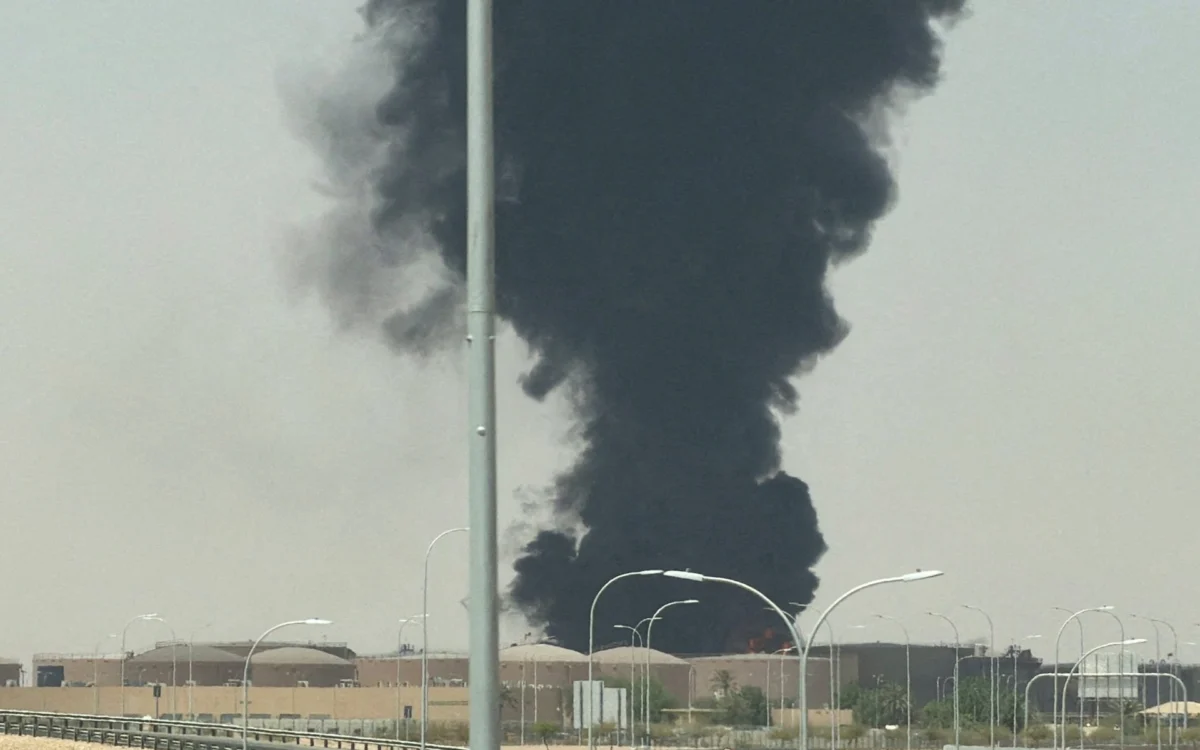
The investigation follows days of intensifying strikes against King Khalid International Airport in Riyadh. Earlier, a strike on Riyadh airport killed 13 people and wounded more than 300 on Saturday, marking the deadliest assault in the country in over a decade. A second attack on Sunday killed one person and injured nearly a dozen others, Al Jazeera reported, bringing the death toll across both days to 14. PBS NewsHour reported that the initial strike killed at least 13 people and wounded over 300. Saudi authorities have now extended the airport’s closure through Saturday, forcing airlines to cancel flights, while workers in the capital’s financial district were instructed to work from home.
How the attack bypassed air defenses
Regional officials said early findings show the Houthis initially launched a swarm of drones to clear a path for cruise and ballistic missiles bound for the airport. The projectiles traveled more than 1,000 kilometers, or about 620 miles, from Yemen before reaching the Saudi capital.
Investigators want to determine why early-warning radars did not detect the incoming fire sooner. Houthi forces possess ballistic missiles with warheads that can maneuver during flight, posing difficult targets for the American-made Patriot interceptors and other air defense systems deployed across the kingdom.
Late Monday, air alarms sounded again across the capital. Residents received mobile emergency alerts warning of an aerial threat shortly before several large explosions shook Riyadh. Saudi military spokesman Turki al-Maliki said air defenses intercepted an incoming ballistic missile, though he did not identify its intended target. Houthi military spokesman Yahya Saree said the group targeted the airport again and launched a drone at Khamis Mushait airbase near the border, which Saudi officials said was repelled.
Why it matters
The security breaches present a direct threat to Saudi efforts to diversify the economy and attract foreign investment. The country’s real gross domestic product is projected to contract by 3.6 percent this year, influenced by lower oil activity and widening regional conflict.
The attacks have already disrupted international business gatherings in Riyadh. Organizers at the World Petroleum Energy Congress removed several oil executives from the event schedule, and Delta Airlines announced Monday it will postpone its planned Atlanta-to-Riyadh nonstop flights until March 2027. Speaking at the conference, Saudi Energy Minister Prince Abdul Aziz bin Salman warned that “the events of recent weeks are serious” and said the kingdom’s response must match that gravity.
Regional diplomacy has also been shaken. Emirati diplomatic adviser Anwar Gargash called on social media for joint defense coordination among Gulf Arab nations, arguing that threats to Saudi Arabia compromise security across the region. Iran’s Foreign Ministry spokesman Esmail Baghaei said Tehran is concerned by the fighting and offered to mediate talks, noting that Iranian Foreign Minister Abbas Araghchi spoke by phone with Saudi Foreign Minister Prince Faisal bin Farhan Al-Saud on Sunday.
Retaliatory strikes and what happens next
Saudi forces launched new airstrikes inside Yemen on Monday. Houthi health officials reported that airstrikes on a government complex and a home in al-Jawf province killed nine people, including five children and a woman, and injured seven others. Separate strikes on Sanaa killed one person and wounded 12.
The escalation follows a series of regional operations after Houthi forces launched earlier strikes on Saudi oil sites and encircled Yemen’s Taiz. Saudi officials want Washington to take a direct combat role against the rebels. While the U.S. currently provides target selection, planning and intelligence support, it has avoided direct airstrikes on Houthi targets.
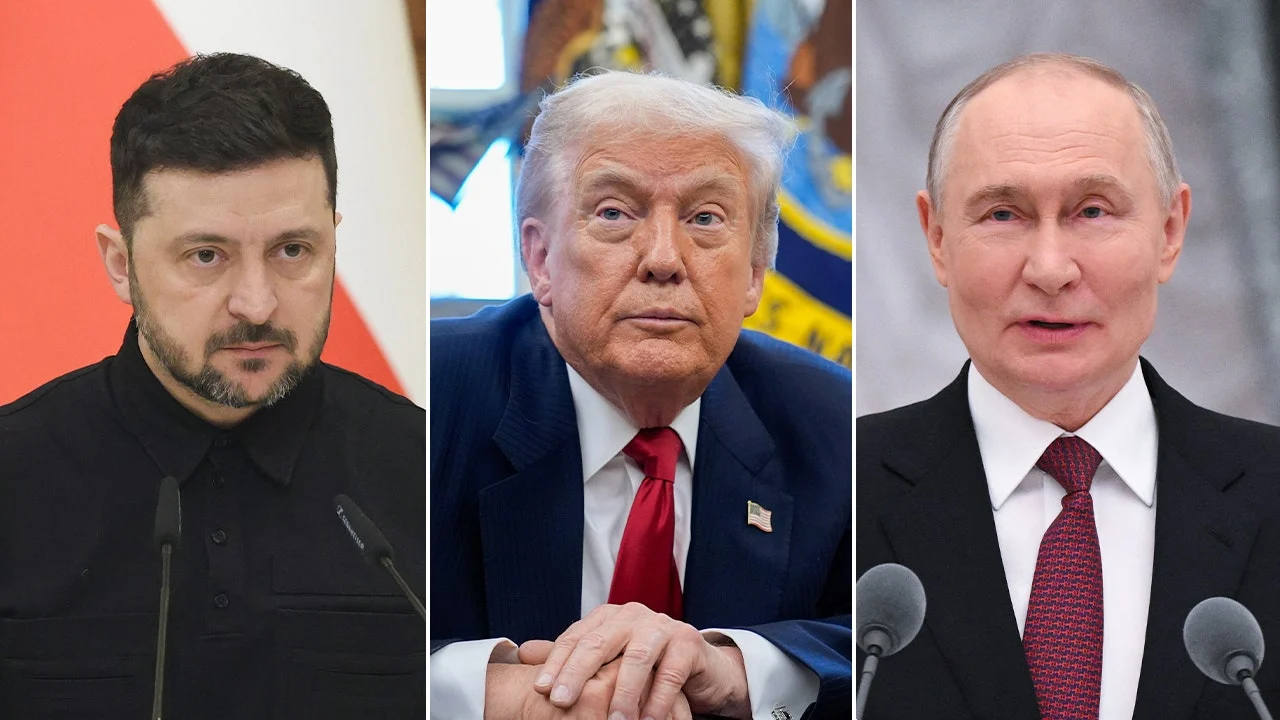
Direct American intervention could push the Houthis to blockade the Bab el-Mandeb Strait, threatening critical oil traffic already strained by Iranian actions around the Strait of Hormuz. Any military move also carries political complications for U.S. President Donald Trump ahead of congressional midterm elections, where voters remain sensitive to high gasoline prices and conflict costs. Asked by reporters about the escalating strikes, Trump said, “Well, the Houthis are misbehaving very badly. No good.”