Volodymyr Zelenskyy declared an end to a brief pause on refinery attacks, accusing Washington of cutting intelligence and restricting satellite links.
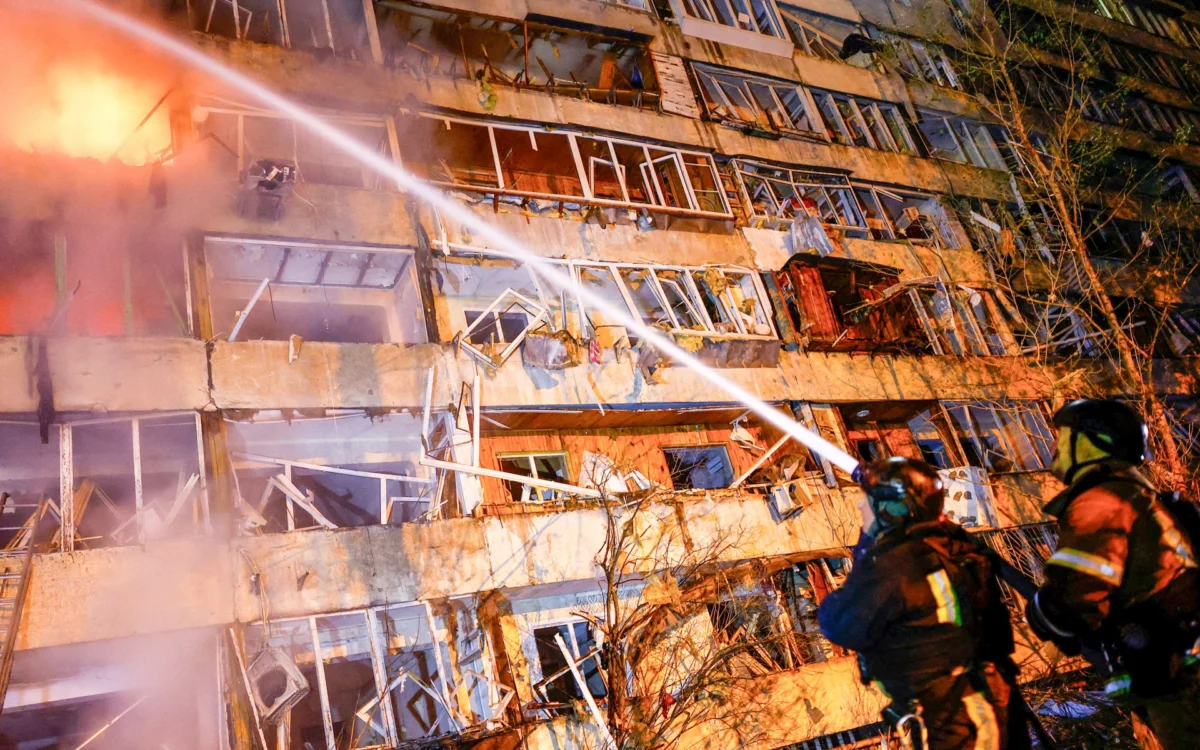
Ukraine resumed drone attacks against Russian oil refineries on Thursday, targeting a plant in Ryazan roughly 110 miles south of Moscow, officials on both sides said.
The strike followed an announcement by Ukrainian President Volodymyr Zelenskyy that Kyiv was abandoning a brief pause in attacks on Russian fuel plants. Falling drone debris sparked a blaze at the Ryazan site, according to Russia’s defence ministry, as reported by Al Jazeera. Ryazan Governor Pavel Malkov also confirmed a fire at the refinery. NBC News reported that the strike occurred hours after an interview with Zelenskyy was published, in which the Ukrainian leader said his country was finished holding back on targeting Russian energy assets.
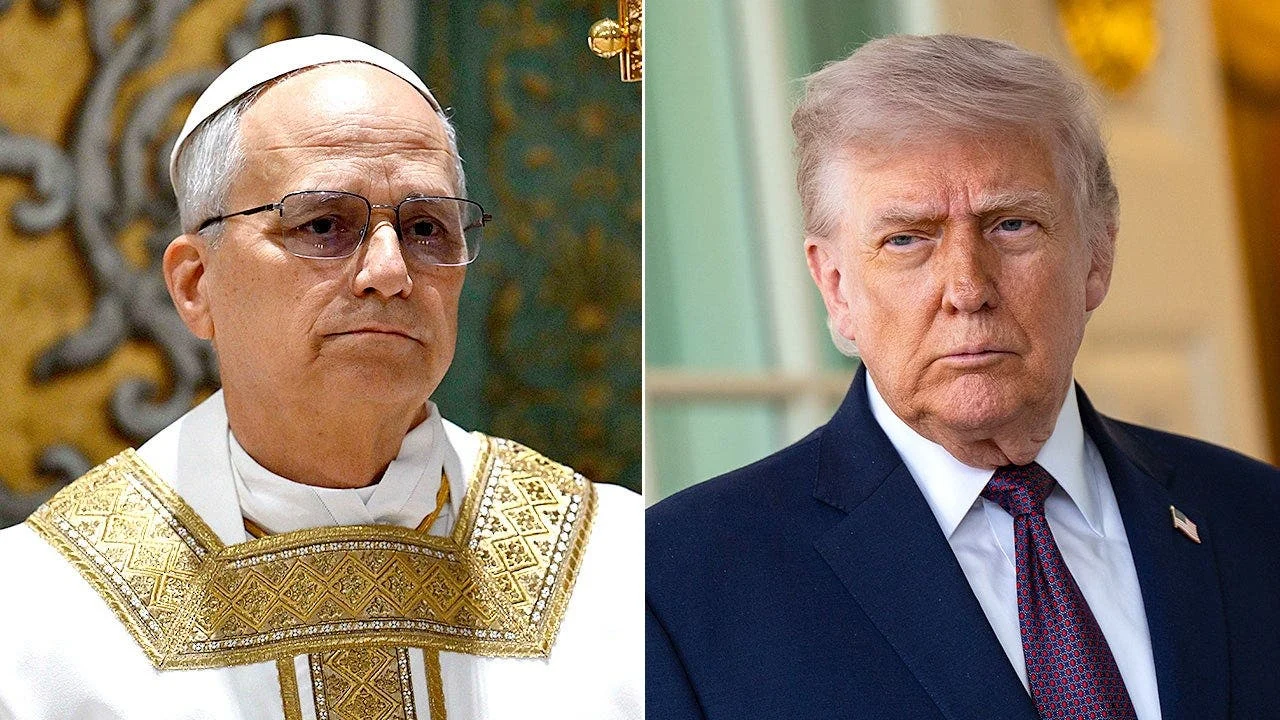
Kyiv had paused its refinery strikes for three days after US President Donald Trump announced an energy ceasefire between Ukraine and Russia on Sunday. Zelenskyy told the Financial Times that the restraint had ended after Russian forces continued bombarding Ukrainian electrical and gas infrastructure, knocking out electricity to hundreds of thousands of people. “We’re done,” Zelenskyy said.
Dispute over intelligence and satellite internet
Zelenskyy accused the White House of pulling critical early-warning intelligence to force Ukraine into halting the refinery attacks, BBC News reported. Ukrainian commanders depend on American early-warning alerts to track incoming missiles and direct their air defense batteries.
Zelenskyy said American officials told Ukrainian counterparts that the US would block intelligence sharing if Kyiv refused to halt refinery bombings. He added that the withdrawal of warning alerts left Ukraine exposed during intense Russian aerial barrages. When asked by Piers Morgan on Wednesday night whether he felt betrayed by Washington, Zelenskyy agreed.
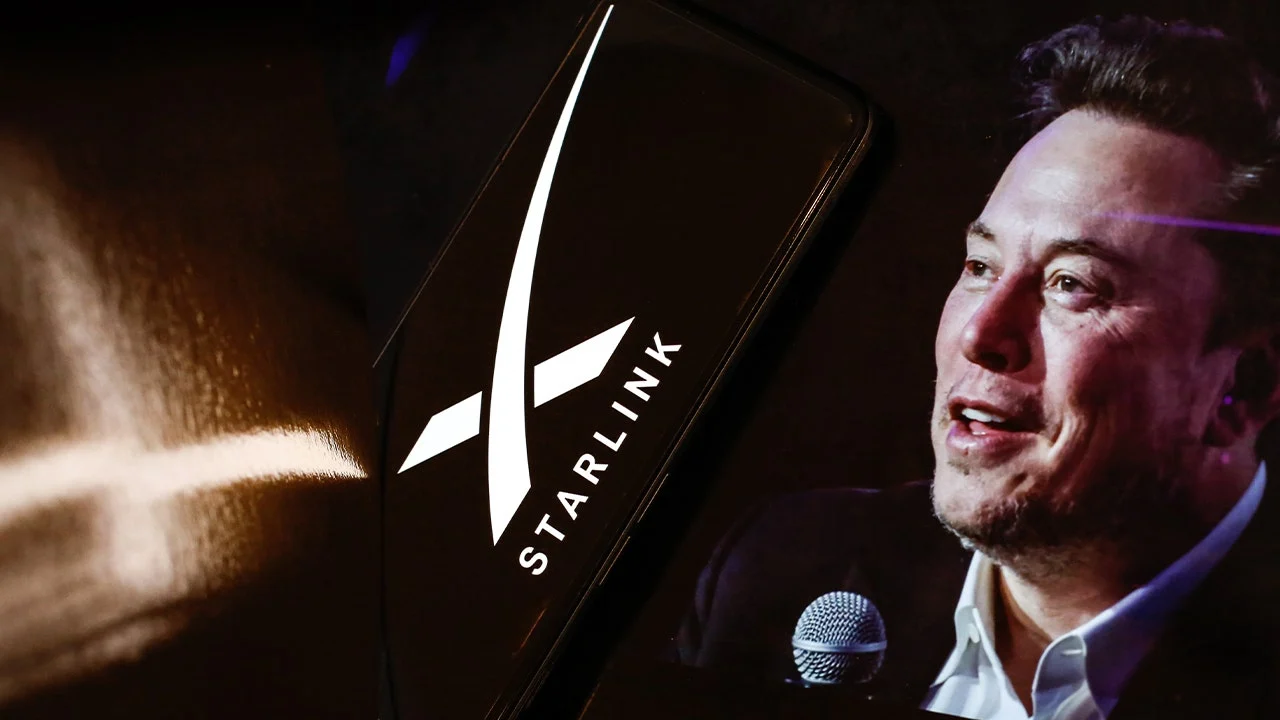
Trump denied halting intelligence sharing with Kyiv. Ukraine also reported that SpaceX slowed down its Starlink satellite internet uplinks on Wednesday, crippling Ukrainian drone navigation and frontline communication. Elon Musk, who owns SpaceX, denied that the company instituted the slowdown on its own initiative. Musk wrote on social media that the military-grade Starshield system is controlled under a Pentagon contract, meaning restrictions are decided by the US military and Trump. Musk subsequently wrote on X, “Time for Zelensky to go.”
The White House and the US Department of Defense did not comment on the Starlink disruptions.
Why the dispute erupted
Tensions between Washington and Kyiv worsened after the Trump administration reached a fuel agreement with Moscow. Outlets gave different figures for the volume involved: BBC News reported a deal to release 300,000 tonnes of Russian diesel to global and US markets, while Al Jazeera put the figure at 1.8 million tonnes.
Trump pursued the Russian diesel purchase to suppress high domestic fuel prices before the upcoming midterm elections. American fuel costs climbed after the outbreak of the Iran war, which disrupted oil supplies and depleted stockpiles of US Patriot interceptor missiles that Ukraine needs for air defense.
Zelenskyy argued that buying Russian fuel subsidizes Moscow’s war effort while Ukrainian civilians endure aerial strikes. Trump previously demanded that Ukraine stop striking refineries, blamed Ukrainian operations for high pump prices, and called over the weekend for Zelenskyy to be replaced as president.
What happens next
Zelenskyy said he would consider halting refinery strikes again only if the US delivers more Patriot air defense missiles. He noted that Ukraine faced more than 850 Russian drones since midnight Thursday while operating under artificially limited satellite speeds, warning that defending the country without full American support would be very difficult.
Zelenskyy traveled to Brussels on Thursday to meet European Union leaders. He plans to urge EU officials to accelerate weapons deliveries and tighten sanctions on Moscow.
Dutch Prime Minister Rob Jetten urged EU members to raise their support to help Ukraine defeat Russia. The European Union has pledged $50 billion for Ukraine next year, though that commitment remains far below the $175 billion Kyiv plans to spend on defense.