
Vice President JD Vance said Tehran must scale back its fuel production to secure peace. Iranian officials remain divided over whether talks with Washington are worthwhile.
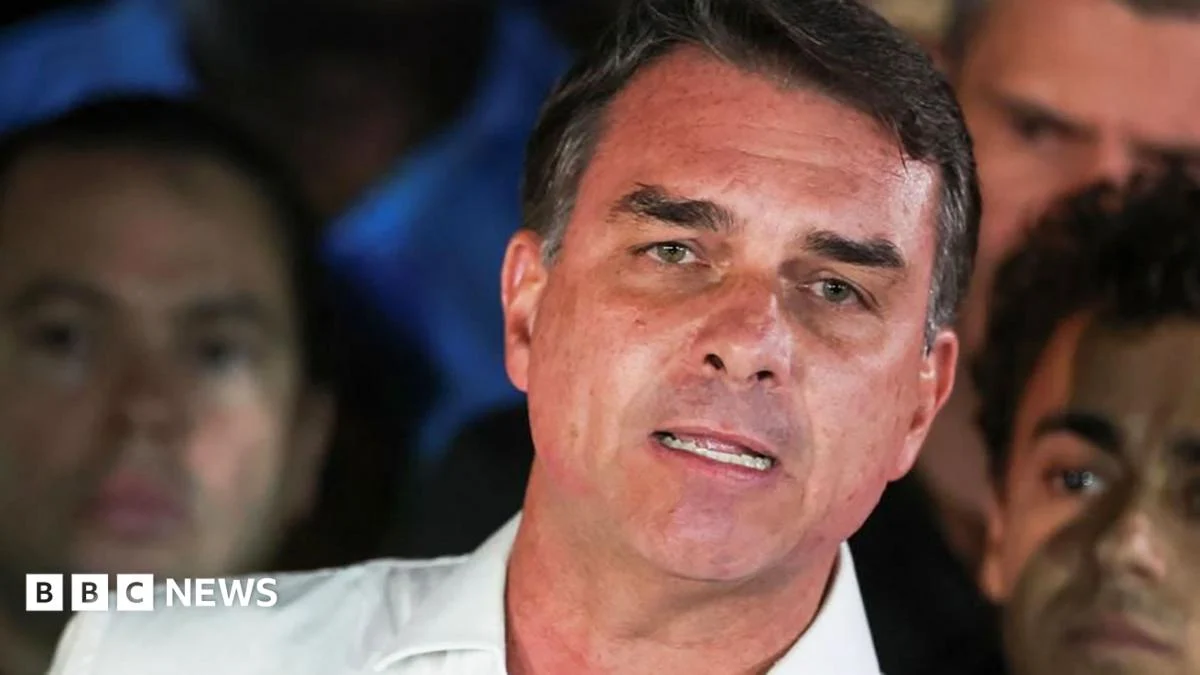
United States Vice President JD Vance called on Irán to make a “meaningful” reduction in its uranium enrichment capacity to help end the war, in remarks reported by Reuters. The demand comes as the US-Israel war against Iran enters its eighth month, with experts noting the stance may signal a softening of Washington’s earlier insistence that Tehran abandon enrichment entirely.
Related: JD Vance defends economy and Iran
Vance argued that Tehran must prove it does not plan to build nuclear weapons. “If you don’t want a nuclear weapon, then why do you need 60 percent enriched fuel?” Vance said. “If you want to show commitment to not building a nuclear weapon, don’t build highly enriched fuel. That’s a very basic threshold issue.” The International Atomic Energy Agency reported that Iran had enriched uranium to 60 percent, below the roughly 90 percent considered weapons-grade, and found no credible indications of a structured nuclear programme in its May 2025 assessment. Vance added that the US was speaking with Iranian President Masoud Pezeshkian and Foreign Minister Abbas Araghchi, though he noted that “it’s not totally clear how their country makes decisions.”
Conflicting messages from US officials
Other American officials have maintained harder rhetoric. Secretary of State Marco Rubio, speaking to reporters in Athens, said Iran cannot have a nuclear weapon, claimed its economy was in freefall under crippling sanctions, and asserted Tehran had lost complete control of the Strait of Hormuz. President Donald Trump has warned that the war will end through either “the nice way or the not-so-nice way.”
Related: US and Iran clash over control
Related: Senate to vote on resolution
Simon Mabon, an international relations professor at Lancaster University, told Al Jazeera that the softer tone from Vance suggests Washington remains uncertain about whether shipping through the waterway has fully recovered. Mabon added that the prospect of Iran seeking a nuclear weapon has remained remote, with Tehran more focused on sanctions relief, unfreezing assets, and ending the US naval blockade.
Iranian response and the battle over terms
Iranian leadership has voiced mixed positions. In a Monday meeting with Armenia’s foreign minister, Pezeshkian said negotiations with Washington were futile, accusing the US of attacking Iran three times following talks to try to bring down its government. In contrast, Araghchi told foreign ambassadors in Tehran on October 4 that “only negotiations based on justice and fairness” could bring an end to the conflict.
Related: Iran says US ceasefire talks continue
The diplomatic standoff follows an Iranian proposal presented at the United Nations General Assembly in late September, which Trump rejected. That plan offered to halt fighting on all fronts, including Israel’s offensive in Lebanon, and reopen the Strait of Hormuz after seven days if the US lifted its naval blockade and oil sanctions and unfroze Iranian assets.
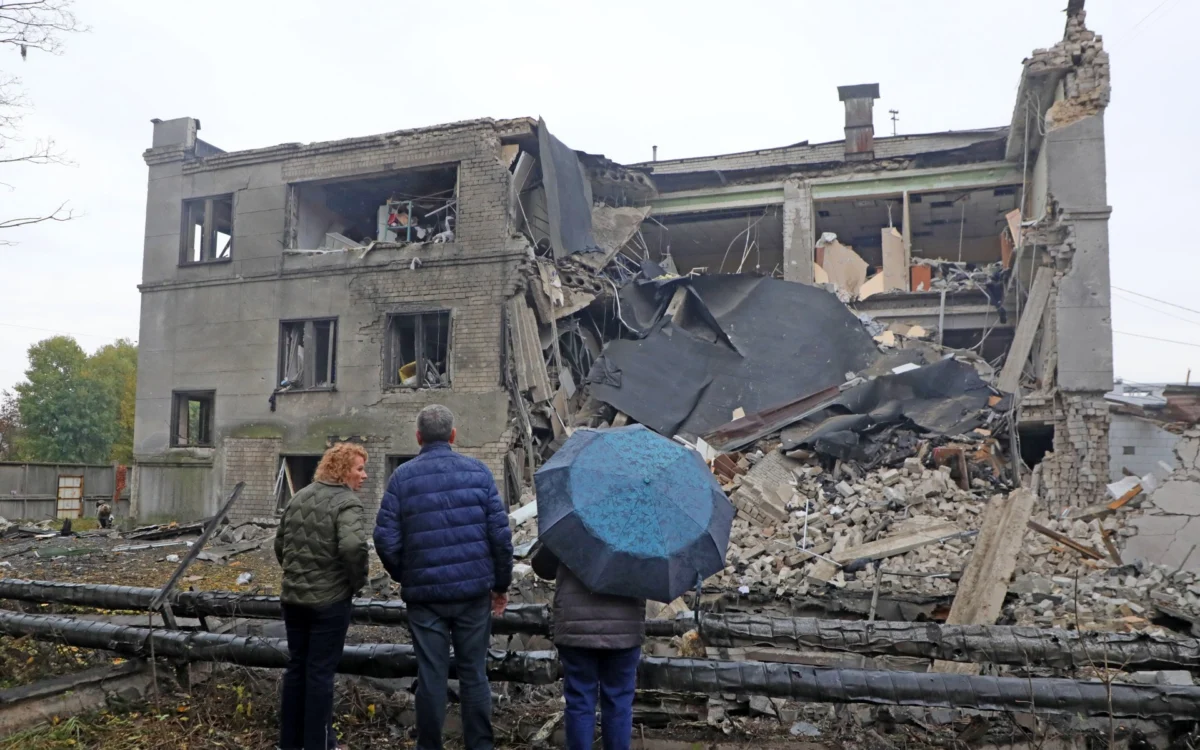
Regional waterways remain unstable as negotiations stall. Non-Iranian Gulf oil flows recovered to more than 81 percent of pre-war levels in September, according to Kpler, but attacks continue. On Tuesday, an unknown projectile struck a Panama-flagged tanker in the Strait of Hormuz, injuring 12 crew members, according to India’s Ministry of External Affairs.