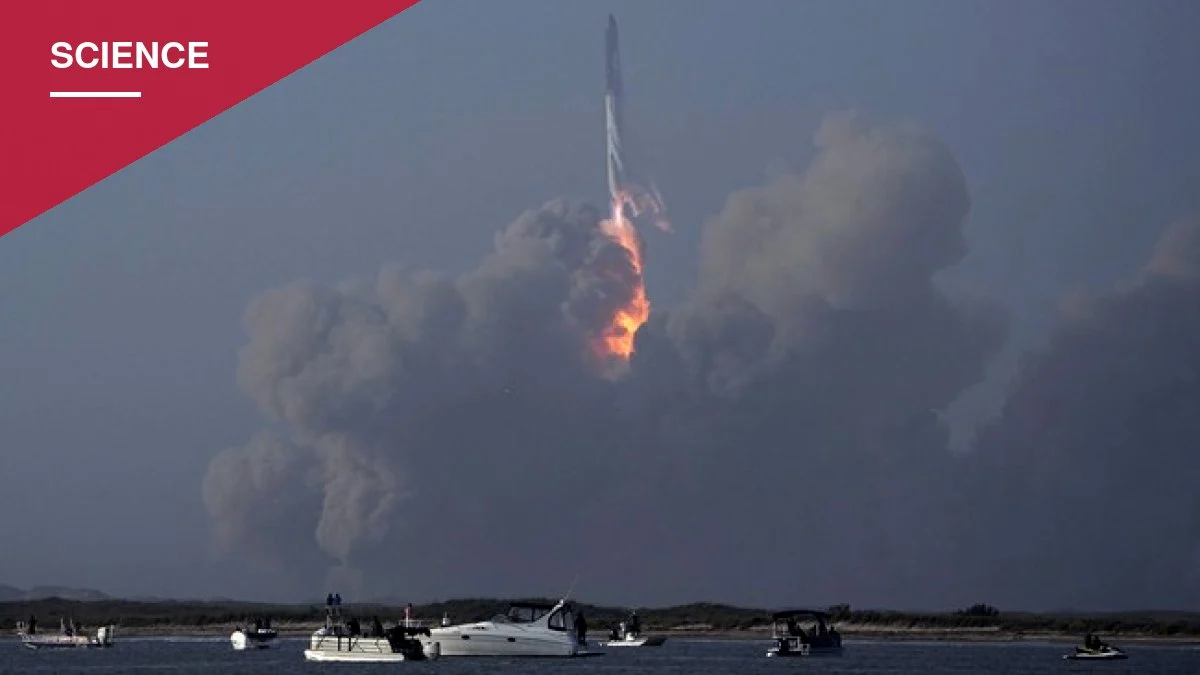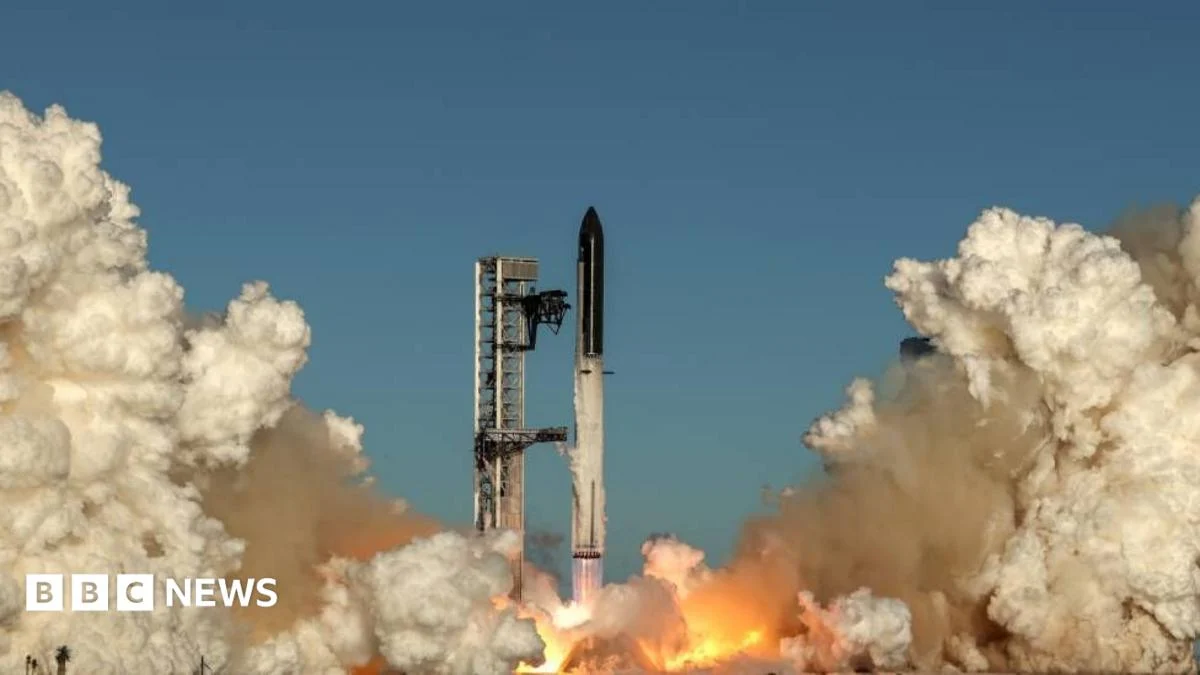

A United Launch Alliance Vulcan rocket failed 10 minutes after liftoff Sunday, destroying 40 Amazon broadband satellites and delaying constellation plans.
A United Launch Alliance Vulcan rocket malfunctioned about 10 minutes after liftoff Sunday, destroying 40 Amazon broadband satellites bound for low Earth orbit. The vehicle launched from Space Launch Complex 41 at 12:40 p.m. ET following weekend delays, marking the joint venture’s first mission failure since it formed in 2006.
How the launch unfolded
The mission, code-named LV-01, lifted off after two preliminary holdups. A refueling problem scrubbed an initial attempt on Friday, rescheduling the flight for Sunday, November 15th at around noon ET. Launch controllers called a hold at T-minus 20 seconds due to an unspecified technical issue, though crews cleared the problem before the launch window closed.
The customized rocket climbed normally during the initial phase of flight, reaching an altitude of 95 miles, or 150 kilometers, The Register reported. Six solid rocket boosters performed as planned after encountering trouble on two earlier flights, while the first-stage methane engines fired longer than expected based on internal schedules, Engadget reported. Six minutes after liftoff, the main booster and payload fairing separated as planned. The hydrogen-powered Centaur V upper stage then started its engines for what was scheduled to be a 12.25-minute burn to deliver the satellites to orbit. ULA stated on its website that the anomaly took place during that upper-stage burn.
Amazon constellation faces tight deadlines
The mission carried 40 Amazon broadband satellites intended for its Leo network, which is designed to compete against the Starlink service operated by SpaceX. Sunday’s flight marked the first time Amazon used a rocket configured specifically to transport its broadband craft into low Earth orbit. Amazon had planned to test hardware on this flight and prepare larger payloads for upcoming trips.

The destruction of the payload complicates Amazon’s regulatory requirements with the Federal Communications Commission. The agency mandated that Amazon deploy 1,600 satellites by July 31, 2026, and reach 3,232 satellites by July 2029. The two reporting outlets offered different figures for the current constellation: Engadget reported that Amazon has around 390 satellites in service, while The Register reported the company has over 200 satellites in orbit. Amazon had hoped to begin broadband service this year and envisioned 20 or more launches during 2027.
Launch delays across multiple providers
Sunday’s loss adds to a wider set of delays across Amazon’s chosen launch partners. Amazon completed eight Atlas V missions before this flight and booked 38 Vulcan launches with ULA. A second Vulcan mission, designated LV-02, had been expected to follow within weeks of Sunday’s launch, but that timetable is now in doubt.
Amazon has encountered setbacks with other contractors as well. The company purchased 24 launches on the New Glenn rocket built by Jeff Bezos’ Blue Origin, but that rocket exploded on the launchpad in May. Amazon noted in July that no satellite operator could have anticipated simultaneous schedule delays across all three heavy-lift programs, which consumed the contingency time Amazon had planned.
Investigation and next steps
ULA engineers are reviewing the Vulcan rocket, which faces a potential grounding while the company assesses what happened. In a post on X, ULA said it would work with Amazon and other organizations to “find the cause, determine the appropriate corrective action, and return to flight as quickly as possible.”
The joint venture, formed as a partnership between Boeing and Lockheed Martin, noted that it didn’t yet have specific data to explain what went wrong. The company stated, “Every flight generates data, and every flight teaches us something,” while promising customers full visibility into the investigation.