The Writers Guild of America East has partnered with software firm Cloak to prevent artificial intelligence models from scanning and analyzing screenplays. Union members will receive free access to the scrambling tool.
The Writers Guild of America East announced a partnership on Tuesday with Cloak, a software company that scrambles documents to prevent artificial intelligence systems from scanning and training on screenplays, The Hollywood Reporter reported.
How the shielding software works
Under the agreement, WGA East members receive free access to the patent-pending software, according to reporting by Variety. Screenwriters who don’t belong to the union can also access Cloak by paying an additional $10 fee when they register a script through the guild’s script registration service. The union already provides that script registration service to all writers, regardless of their membership status, as a way to safeguard scripts before circulating them widely across the film and television business.
Cloak’s software obfuscates documents so that they become unreadable and illegible to most AI models, while keeping script formatting intact and fully readable to human eyes, Deadline reported. Writers upload their completed script to the platform and receive a protected copy that resists artificial intelligence scraping, automated analysis, and model training.
The guild said the software is intended to give screenwriters peace of mind when distributing work to potential buyers, talent representatives, studio executives, producers, actors, and editors. Union officials noted that screenplays sent out as email attachments are often converted into automated AI summaries. The WGA East is also seeking to stop agency literary department assistants from using AI tools for script coverage and to prevent studio executives from using AI software for notes rather than reading the material.
Union opposition to AI model training
The partnership responds to years of artificial intelligence models being trained on screenplays without explicit authorization from writers, a practice that has raised questions about the legality of using creative work without consent. The WGA East maintains that taking screenplays to train artificial intelligence models does not constitute fair use under copyright law.
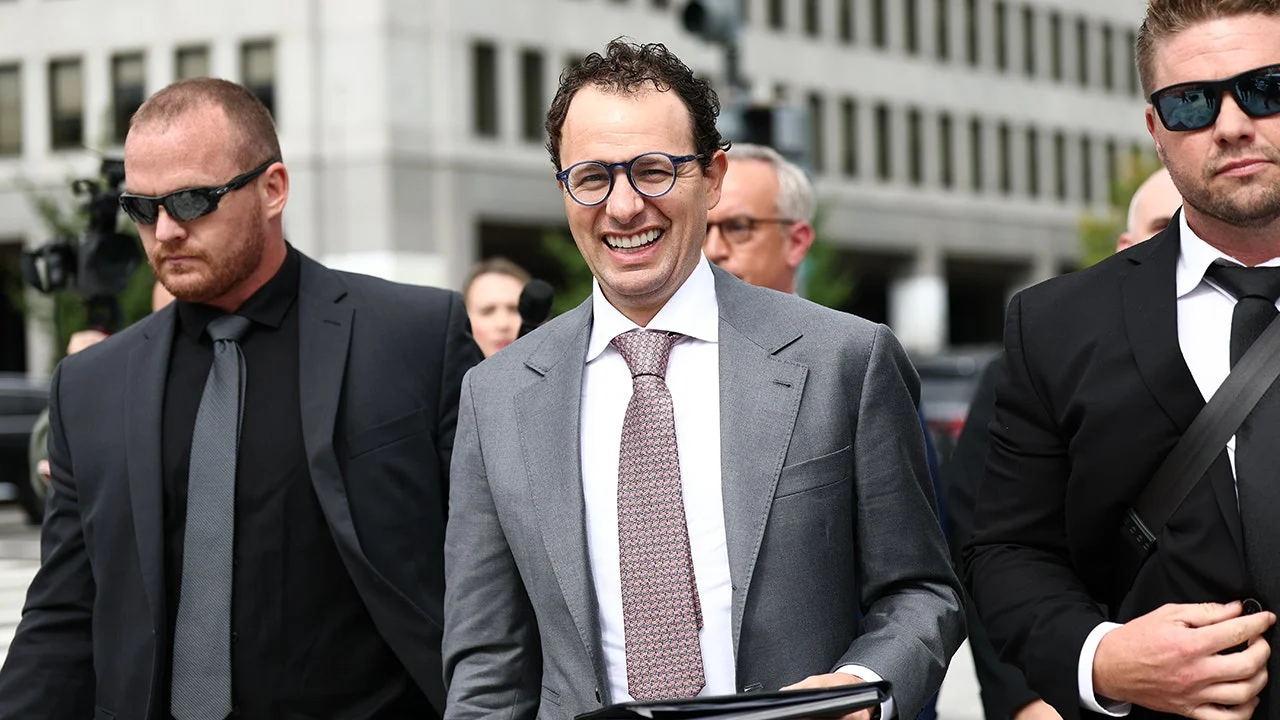
Cloak founder Rishi Ambavanekar said he created the software because creative work put on the internet over the past three years was assumed to be at risk of automated ingestion. Ambavanekar said that before Cloak, writers lacked a technically sound way to protect their work from unwanted AI training, analysis, and computerized notes, and that he designed the tool to keep creative writing in human hands rather than processed as machine data.
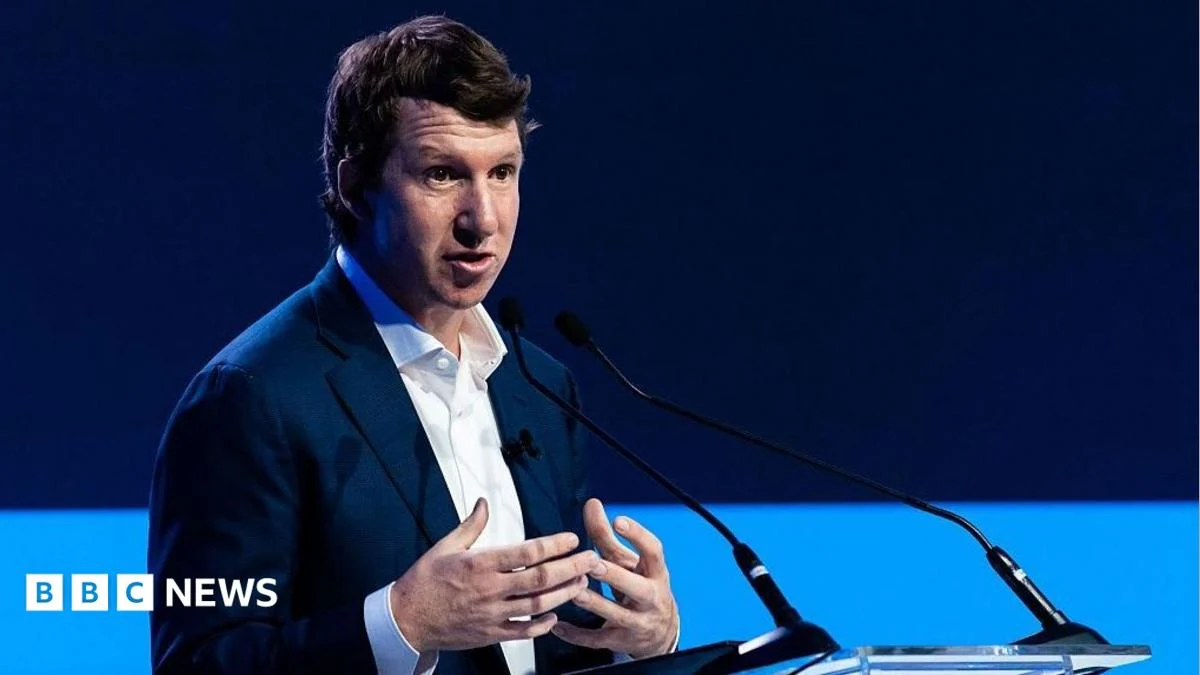
“The WGAE partnership with Cloak expands our efforts to protect members’ work and fight back against AI companies exploiting writers and other creative workers,” WGA East president Tom Fontana said in a statement. Fontana added that writers shouldn’t have to worry that work taking weeks, months, or years will end up feeding AI models after being sent to agents or producers.
Larry J. Cohen, co-chair of the WGA East AI task force, stated that generative AI platforms are falsely promoted on promises of making human writers obsolete. Cohen said in a statement that “the creative process is human and always will be,” arguing that the guild must advocate for protections through union contracts, legislation, and member education.
Guild actions on industry technology
The Cloak rollout follows earlier steps by Hollywood writers to restrict artificial intelligence across the entertainment industry. The WGA East and WGA West established their first AI protections in the collective bargaining agreement that ended their 148-day strike against major studios in 2023, when AI restrictions served as a central pillar of contract negotiations.
The WGA East maintains an AI task force that meets monthly and runs an #AINeedsHumans campaign to mobilize members against improper uses of the technology. The union has resisted AI adoption in other entertainment settings as well. In July, the guild ended its 12-year partnership with the BIPOC-focused film festival Urbanworld after festival leaders created a submission category for AI-generated short films and features.
The union has also turned its attention to state government policy. In New York, the WGA East is currently backing proposed legislation that would require news organizations to include disclaimers on news articles created in large part or entirely by generative AI, a measure that is awaiting signature by the state’s governor.