
“Why did saving links stop being social?”
Because the platforms took the saving in-house, and a bookmark inside a platform is not a public object. That is the whole answer, and the story of the site is how a good idea got passed between owners until somebody bought it in order to stop it.
What Delicious was for
A place to save links, with tags, publicly.
Three things in that sentence, and the third one is the one that mattered.
Saving, which browsers already did badly.
Tags, which were unusual at the time. Delicious was one of the services that made tagging normal, and the idea that a thing could belong to several categories at once rather than sitting in one folder is now so ordinary that its arrival is invisible.
Publicly, which turned a personal filing system into a discovery mechanism. You could look at what somebody else had saved under a tag. A person who read widely in a subject became, without doing anything extra, a curator of it.
That third property is what disappeared, and it disappeared for structural reasons rather than because the site closed.
The ownership sequence, which is the visible part of the story
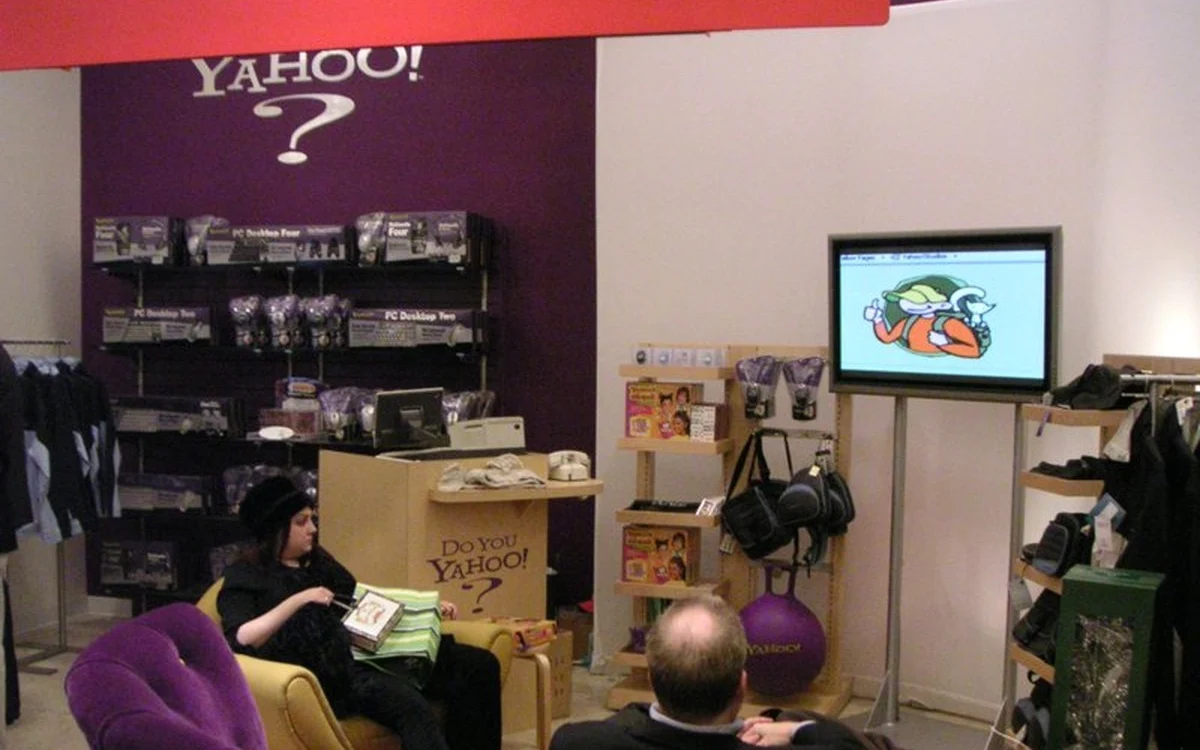
Delicious was acquired by Yahoo, and later sold on. It passed to the founders of YouTube’s company, and then through further hands, before finally being acquired by Pinboard.
We are not going to give you the dates or the values of the earlier transactions, because they were not confirmed against primary sources for this page.
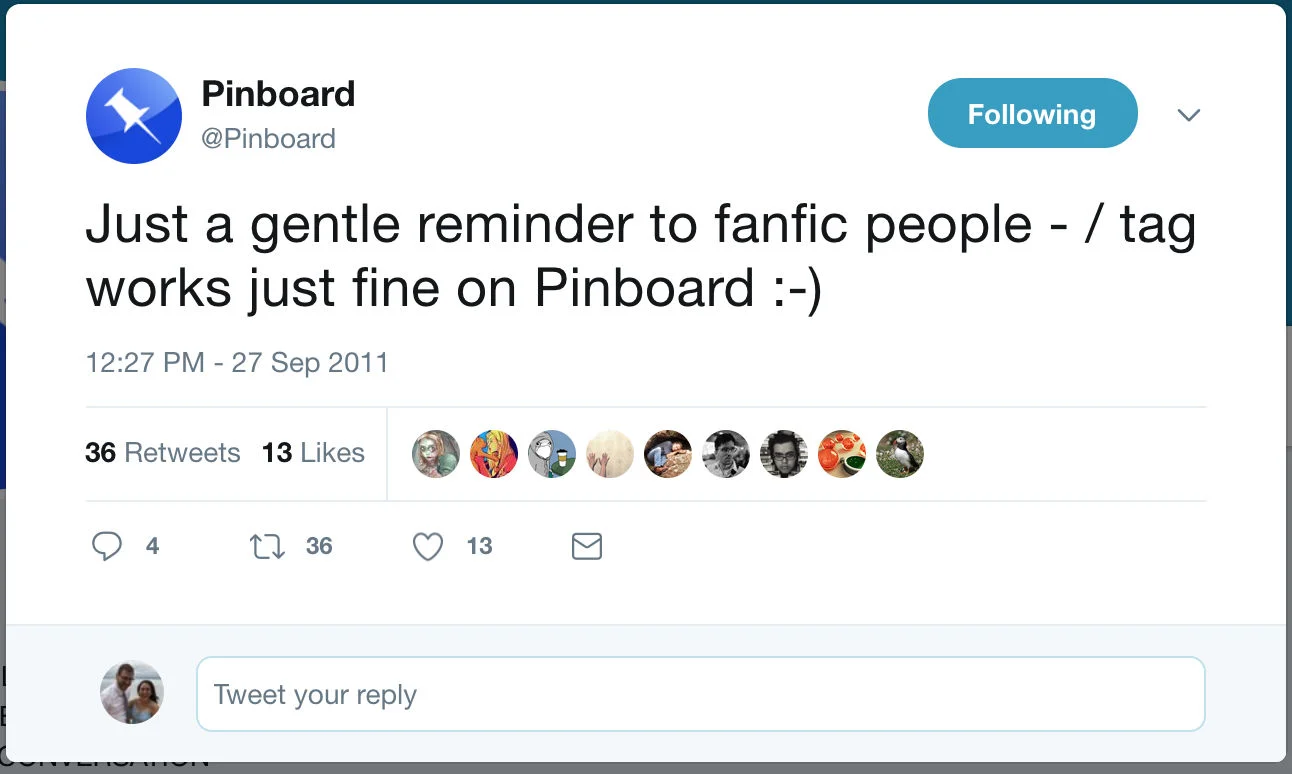
What was confirmed, by a search of technology reporting on 2026-08-28 rather than by reading a primary announcement, is the ending: Pinboard acquired Delicious in June 2017 and left the service in read-only mode as of 15 June 2017.
Read that ending carefully, because it is unusual.
Pinboard is a paid bookmarking service, run by one person, and it was Delicious’s most direct competitor. The competitor bought the thing and froze it: not deleted, not shut down, left readable.

That is a materially better outcome than most stories in this cluster. The links did not vanish. Compare it with what happens when a large company decides a product no longer fits, which is the subject of what happened to Yahoo Answers, where preservation happened because volunteers did it against a deadline.
Why the public part died even where the sites survived
This is the more interesting question and it is not about Delicious at all.
Saving a link became a feature inside every platform. Bookmarks in a browser, saved posts on a social network, a collection on an image platform, a watch-later list on a video service, a saved-items list in a messaging app.
Every one of those is private by default and lives inside the platform that owns it.
Which means the useful thing about public bookmarking, that you could look at what a knowledgeable stranger had collected, has no home. The saving still happens, more than ever. The publicness is gone, and it is gone because a saved item inside a platform is a signal that platform uses rather than an object anyone else can see.
The same mechanism runs through the whole discovery story of that era: a tool whose value was in pointing outward, in an economy where every product’s incentive is to point inward.
What survived, and it is more than usual
The tags. Tagging as a way of organizing things came out of this era and is now everywhere.
The links, in read-only form, which is the direct consequence of who bought it.
The idea, in the paid services. Pinboard’s own existence is the practical answer to “is there a Delicious replacement”: a service somebody pays for, run small, without an advertising model that requires it to keep users on the page.
That is the recurring lesson from this cluster. A free service is free because something else pays for it, and when that something changes, so does the service.
What we are not going to publish
User counts. None verified.
The value of any acquisition. Widely repeated for the early transactions, rarely attributed, and none confirmed for this page.
Dates for the ownership changes before the final one, which were not confirmed against primary sources.
A recommendation of any current bookmarking service. This page names Pinboard because it is the party that acquired Delicious, which is a fact about the story rather than a recommendation.
FAQ
What happened to Delicious bookmarking?
It passed through several owners after Yahoo, and was finally acquired by Pinboard in June 2017, which left it in read-only mode as of 15 June 2017. That is confirmed from technology reporting rather than from a primary announcement.
Is Delicious gone?
It was not deleted. It was frozen in read-only form by the competitor that bought it, which is a better outcome than most services in this position get.
Why is nothing like Delicious popular now?
Saving links became a private feature inside every platform. The saving still happens; the public part, where you could browse what a knowledgeable stranger had collected, has no home because a saved item inside a platform is a signal that platform keeps.
Did Delicious invent tags?
It was one of the services that made tagging normal, and the idea that something can belong to several categories at once rather than one folder came out of that era.
Is there a replacement?
Pinboard, which is a paid service run small, is the direct inheritor and is the party that acquired Delicious. This page names it as a fact about the story rather than as a recommendation.
Sources: the June 2017 Pinboard acquisition of Delicious and the read-only status as of 15 June 2017 were confirmed by a web search of secondary technology reporting on 2026-08-28 and are attributed as such in the body rather than presented as a read of a primary announcement.
This page publishes no user-count figure and no acquisition value, and states no dates for the earlier ownership changes, because none was confirmed against a primary source at the time of writing.