A convoy of buses and emergency supplies reached the Russian-occupied city on Friday during a temporary local ceasefire.
A humanitarian aid convoy entered the Russian-occupied city of Oleshky in southern Ukraine on Friday, delivering food and medicine while launching civilian evacuations, The Associated Press reported. The relief operation took place during a localized pause in fighting in the Kherson region.
The mission followed an agreement between Moscow and Kyiv that allowed an initial pause in the area, building on steps after the ceasefire took effect earlier in the week. Russian and Ukrainian officials coordinated directly to let convoys cross front lines and assist remaining civilians.
Aid delivery and evacuation logistics
The relief operation assembled in Armiansk, a Russian-occupied town located roughly 85 kilometers (53 miles) south of Oleshky, before traveling into the city. The convoy included ambulances, cargo with humanitarian supplies, and 25 buses offering at least 750 seats for residents who want to leave, Al Jazeera reported.
Ukrainian Human Rights Commissioner Dmytro Lubinets and Russian official Yana Lantratova met in Oleshky overnight to monitor the process. Ukrainian footage showed Lubinets meeting with elderly civilians, including a woman who embraced him in tears. Demining teams finished clearing designated transit routes late Thursday, though officials reported that two workers died during the clearance work.
Both governments issued identical public statements regarding the mission: “Everyone who wishes to leave Oleshky will have the opportunity to do so safely.” The statement added that those who choose to stay will receive needed humanitarian support. Lubinets said evacuations were scheduled to run until 2 p.m. local time, with relief supplies being distributed directly to residents shortly afterward.
Living conditions and resident fears
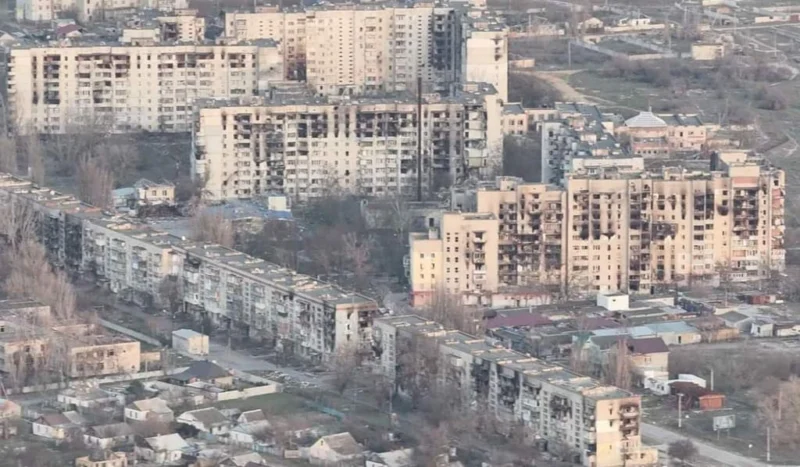
Oleshky once had around 24,000 residents, but authorities estimate that only about 2,000 people remain. The city lacks electricity, heating and running water as freezing winter temperatures approach, leaving basic food and medical supplies critically depleted.
Ksenia Arkhipova, a former Oleshky resident who volunteers with locals, said about 1,000 people previously indicated they wanted to leave. However, she reported that Russian military forces maintain a heavy presence inside the community.
“They are currently checking empty houses, and in some cases, moving into them,” Arkhipova said. She noted that Russian soldiers have pressured people to choose evacuation routes into Russia rather than Ukrainian territory. Although Ukrainian-held ground sits directly across the Dnipro River, Ukrainian public television reported that buses heading toward Ukraine would travel hundreds of kilometers north to cross through Belarus.
Diplomacy behind the temporary truce
The White House stated that first lady Melania Trump helped broker the humanitarian pause after learning about conditions in Oleshky during a United Nations event in September. The Trump administration has pursued broader diplomatic efforts, even after earlier friction when Ukrainian President Volodymyr Zelenskyy says Russia attacked power grid in preceding weeks.
The Vatican presented another view of how the pause came together. Vatican officials credited Pope Leo XIV with helping arrange the ceasefire through direct telephone conversations with Russian President Vladimir Putin and Zelenskyy.
Sources gave differing descriptions of the truce’s duration. The Associated Press reported that the ceasefire had held for four days and would run through Sunday evening. Al Jazeera reported that the six-day agreement was stretching into its third day on Friday.
Strikes continue across the wider war
Outside the localized pause in Oleshky, both militaries continued large-scale attacks. Russia’s Defense Ministry said its air defenses intercepted more than 1,000 Ukrainian drones overnight, while Moscow Mayor Sergei Sobyanin said defenses intercepted most of over 850 drones targeting the capital region.
At the same time, Ukraine’s air force reported that Russian forces launched ballistic missiles, other projectiles and scores of drones. Ukrainian officials said Russian strikes hit an industrial site near Kremenchuk and struck targets in Kyiv and Kharkiv. The Russian military stated that its strikes damaged energy infrastructure around Kyiv and Dnipropetrovsk, alongside port facilities and cargo vessels in Odesa.