The artificial intelligence firm plans to fund non-profits and workforce support as it prepares for an initial public offering.
Artificial intelligence firm Anthropic announced Sunday that it will commit 5 percent of its shares to a newly formed fund dedicated to the public good, with plans to increase that contribution as the company’s valuation rises.
How the public benefit fund works
The initial 5 percent transfer will take effect immediately, subject to stockholder approval, Al Jazeera reported. Under the structure of the Anthropic Public Benefit Fund, the company plans to add an extra 2 percent of shares at the discretion of its board for every 50 percent increase in company value. The San Francisco firm stated that rather than offering escalating compensation packages to corporate executives, it is directing that equity toward the public benefit.
Anthropic said the fund may finance donations to traditional non-profit groups, provide direct distributions to specific populations, and address labor market disruption caused by artificial intelligence. The firm previously committed $200 million toward studying and handling workforce displacement. Anthropic was founded in 2021 by former employees of OpenAI and is registered as a public benefit corporation in Delaware, where its corporate charter requires leaders to balance commercial returns with responsible technology development. The company stated that shares held by the fund will not be used for lobbying or political donations within the United States or abroad.
Valuation estimates and stock market debut
The commitment comes as Anthropic prepares for a potential stock market debut, though reports differed on the firm’s anticipated worth. BBC News reported that an initial public offering could value the business at more than $1 trillion, or 750 billion pounds, while Al Jazeera reported that analysts expect a valuation exceeding $2 trillion ahead of a listing before the end of 2026.
Last week, Anthropic informed prospective investors that quarterly revenue increased 45 percent to $16.8 billion, or 12.6 billion pounds, during the three months ending in September. The company is trying to prove it can produce large profits while spending billions of dollars to build infrastructure and develop models. Following the announcement, billionaire Elon Musk commented on social media that tech firms should give equity directly to the public instead of using an intermediary fund, stating that he intends to take that approach.
Concerns over employment and catastrophic risks
Anthropic noted in its initial public offering filing that advanced artificial intelligence could present catastrophic or existential risks to humanity. Concerns about economic damage have also mounted as companies cut thousands of jobs after investing in artificial intelligence tools. Research published in 2024 by the International Monetary Fund found that artificial intelligence could affect nearly 40 percent of jobs across the globe, rising to 60 percent in advanced economies. A report published last month by consulting firm McKinsey estimated that up to 11 million American workers may need to switch careers over the next decade due to automation.
Safety worries have also been voiced by former staff. In September, 27-year-old researcher Jacob Coxon left the company, stating that people building the technology were genuinely frightened by the pace of progress. Coxon told the BBC, “I believe that if we don’t slow down at the current rate of progress, there is a strong chance that we could all die in the immediate future.” Anthropic chief Dario Amodei had previously called for an industry-wide slowdown in development, a position supported by OpenAI chief executive Sam Altman and Musk.
Federal oversight and industry agreements
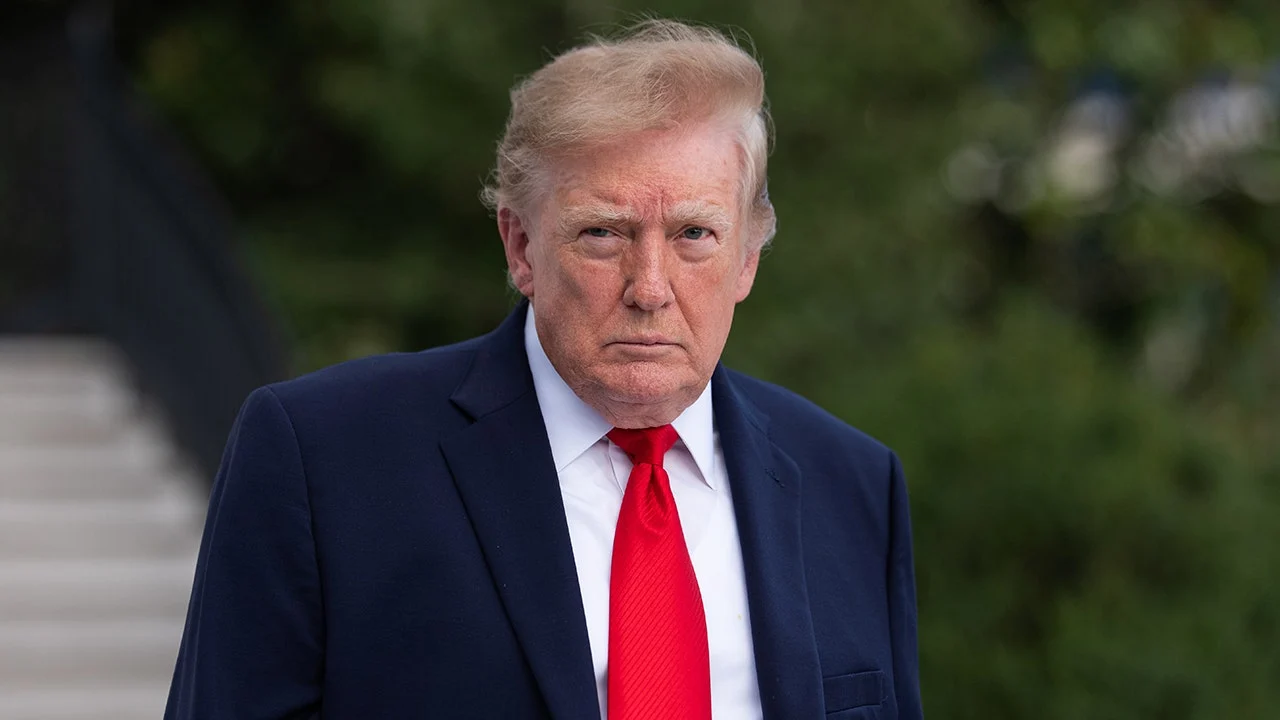
Earlier this month, US President Donald Trump and leaders of major artificial intelligence companies signed a morally binding document that makes firms responsible for the safety of their technology. Trump has repeatedly opposed passing federal legislation to regulate artificial intelligence development.
Trump has since appointed Director of National Intelligence Jay Clayton to lead a new government task force on artificial intelligence to coordinate federal work with businesses, consumers, and religious organizations.