A federal appeals court panel ruled that the Justice Department cannot force California to set aside mail ballots from 20,000 alleged noncitizens.
A federal appeals court on Friday rejected a request from the Trump administration to force California election officials to set aside disputed mail ballots from about 20,000 voters ahead of Tuesday’s midterm elections, PBS NewsHour reported.
The 2-1 decision from the 9th U.S. Circuit Court of Appeals marks the second time in less than a week that the court has rebuffed the Justice Department’s intervention in the state’s vote counting, according to Al Jazeera. Millions of California voters have already returned their ballots before the Nov. 3 election.
The decision follows a ruling on Wednesday in which a federal judge rejected the Justice Department’s lawsuit seeking to block local officials from tallying the disputed ballots.
The split ruling on the bench
In the unsigned majority order, Judge Mark Bennett, who was appointed by President Donald Trump, and Judge Gabriel Sanchez, who was appointed by former President Joe Biden, ruled that the administration failed to show that an emergency order was justified. The panel wrote that the government did not show that such extraordinary relief during an ongoing vote was clearly required under the law, NBC News reported.
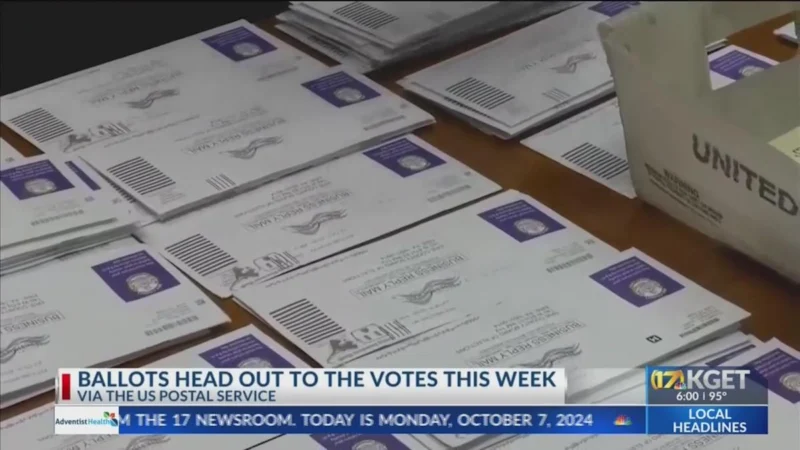
The judges noted that granting the federal government’s request would create immense hardship for election administrators and risk disenfranchising eligible voters, CBS News reported. The panel found no clear error in the district court’s determination that segregating individual ballots at this stage could cause catastrophic disruption to the voting system.
Judge Patrick Bumatay, a Trump appointee, dissented from the decision. Bumatay wrote that the federal government was seeking a reasonable and modest remedy to prevent unlawful voting. In his dissent, he argued that California’s refusal to separate the disputed ballots damages federal efforts to safeguard election integrity and prevent the dilution of lawful votes.
Disputed lists and state resistance
The legal fight began on Oct. 15, when the Justice Department filed a federal lawsuit demanding that California segregate ballots sent to roughly 20,000 people the federal government identified as possible noncitizens. The Trump administration initially sent California the list on Oct. 12, just three weeks ahead of the midterms.
California officials have maintained that the federal government’s data is deeply flawed and contains many lawful citizens. State election officials also explained that hundreds of thousands of mail ballots have already been processed and anonymized, making it technically impossible to trace specific votes back to the voters who cast them.
U.S. District Judge David Carter noted in his Wednesday decision that the Department of Homeland Security previously claimed in July that 200,000 noncitizens were registered in California before lowering the estimate. Carter also highlighted federal lists sent to Nevada, where federal authorities originally alleged nearly 16,000 voters were noncitizens. After multiple reviews, that figure dropped to 185, and Nevada officials later confirmed every single person on the list was a U.S. citizen.
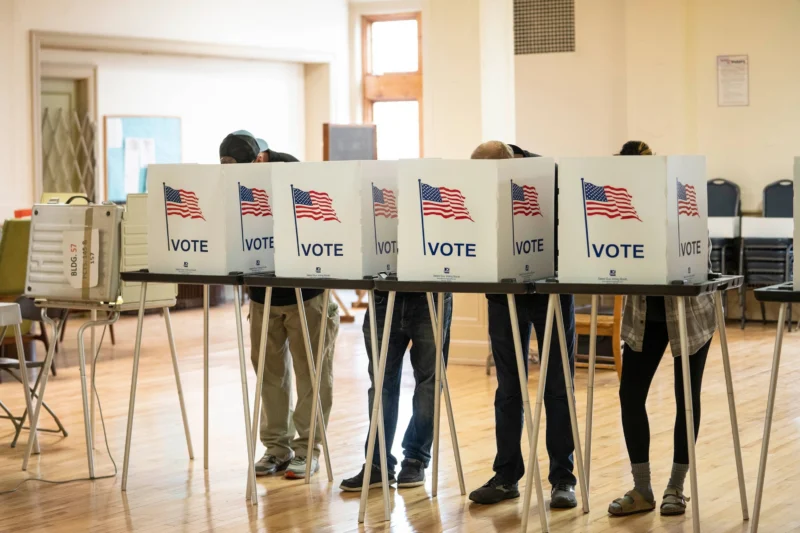
Federal noncitizen voting is illegal across all 50 states, though actual instances are extremely rare. The Justice Department has also sent lists of suspected noncitizen voters to officials in Washington state.
New legal challenges and subpoenas
Outside organizations have launched their own legal counteroffensives. In Washington on Friday, a federal judge ordered the Trump administration to provide the disputed list of 20,000 names to attorneys representing the Coalition for Humane Immigrant Rights and the UCLA Voting Rights Project. The groups sued the Department of Homeland Security earlier this month, arguing that flawed matching procedures improperly target naturalized citizens.
A coalition of labor unions, including the AFL-CIO and the American Federation of State, County and Municipal Employees, also filed a federal lawsuit on Friday. The unions want a judge to block the Justice Department from demanding that local election staff halt ballot processing and to forbid threats of criminal prosecution against workers.
Bill Essayli, the top federal prosecutor in Los Angeles, recently warned that election officials who knowingly process ballots from noncitizens face legal jeopardy. Federal prosecutors issued subpoenas to Los Angeles County election workers, demanding communications and records related to letters sent by federal officials in July and October. At least three county election officials have been ordered to testify before a federal grand jury on Nov. 4, the day after the election.
What happens next
Justice Department attorneys previously indicated they would appeal any adverse ruling from the 9th Circuit to the U.S. Supreme Court.
The department did not immediately say Friday whether it will file an emergency petition with the high court ahead of Tuesday’s election. Meanwhile, California counties continue to process ballots as the state prepares to choose 52 members of the House of Representatives.