The Israeli military concluded an operation west of the yellow line on Thursday after thousands of displaced Palestinians fled central Gaza.
The Israeli military announced Thursday that it had concluded a ground offensive west of the ceasefire boundary in central Gaza and reopened Salah al-Din Street, the territory’s primary north-south roadway.
The withdrawal followed Wednesday’s push across the boundary, when Israeli forces launched a ground operation that sent troops and tanks toward the Nuseirat refugee camp to dismantle what commanders called a militant tunnel.
NBC News reported that the raid was the military’s first ground assault beyond the yellow line since the ceasefire took effect in October 2025. That boundary marks the roughly 60 percent of Gaza that remains occupied by Israeli forces. Al Jazeera reported that about 6,000 Palestinians fled their shelters on Wednesday after the military issued evacuation orders for three blocks north of Nuseirat.
Displaced families face harsh conditions
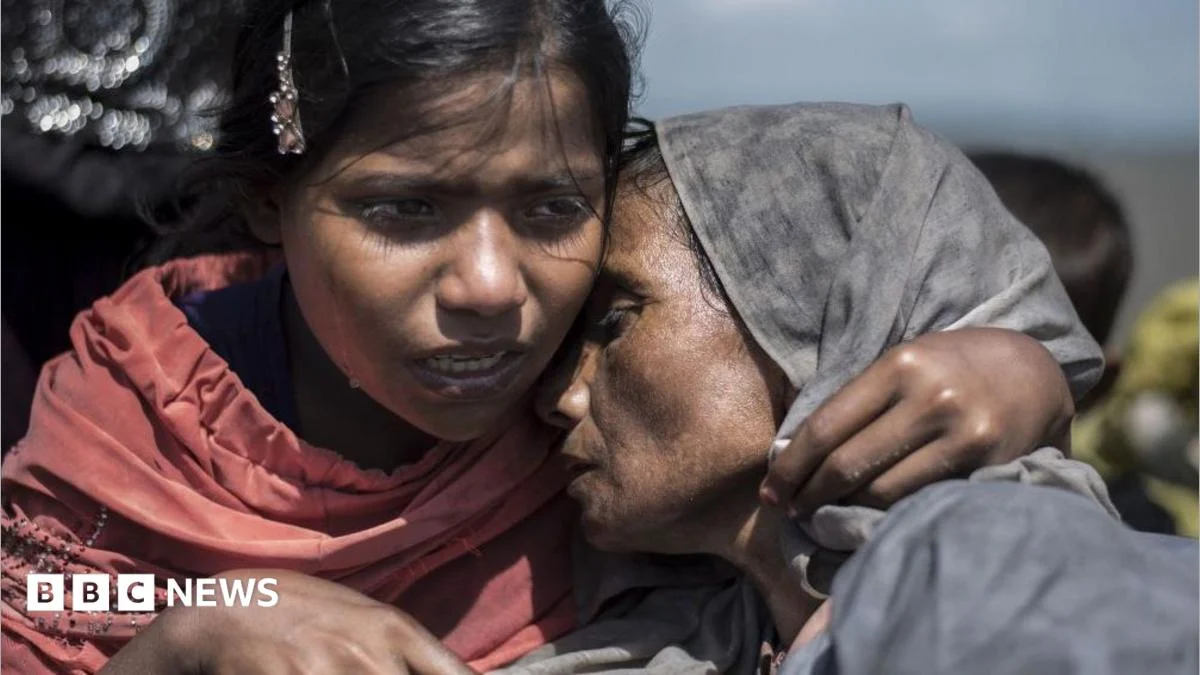
The ground movement triggered immediate flight from camps around Nuseirat. Residents loaded belongings onto carts or carried blankets on foot, while some pushed relatives in wheelchairs. At least one person died in an airstrike near the operation, according to Palestinian medics cited by Reuters.
Many families spent the night outdoors or in crowded schools. Suhail al-Mashharawi, 50, sought shelter with his family of eight in a central Gaza schoolyard. He said they had no bedding, blankets or adequate clothing to shield his children from cold weather, and had received no humanitarian assistance.
Camp managers described intense danger during the evacuation. Ismail Younis, who oversees a displacement camp in the al-Mufti area, said bullets struck tents and a quadcopter hovered overhead as families escaped without knowing where to go. United Nations figures show that about 1.4 million Palestinians across Gaza live in tents or makeshift shelters.
Displaced residents described leaving behind essential supplies. Muna Abu Shehadeh, 37, said she fled with her children, including an infant and a sick daughter, without food, water or bedding. Another resident, identified by NBC News as Amna al-Gasar and by Al Jazeera as Amna al-Qassas, 49, fled with her children after bullets hit near them, leaving behind her tent and possessions.
Disputes over the ceasefire terms
In a joint statement, the Israel Defense Forces and the Shin Bet internal security agency said the operation was a targeted assault on a tunnel that posed an immediate and direct threat to soldiers. The military said it issued warnings to civilians in advance, though it did not detail how those warnings were delivered.
Hamas condemned the ground raid as a violation of the ceasefire agreement, while the Israeli military accused Hamas of breaching the deal. Palestinian health authorities state that Israeli strikes have killed more than 1,600 people in Gaza since the truce began. Israel reported that five of its soldiers have died in that span.
Security analysts said moving ground troops beyond the agreed boundary altered the nature of earlier disputes. Andreas Krieg, a senior lecturer at King’s College London, called the incursion a “clear violation of the fundamental premise of the ceasefire.” Rob Geist Pinfold, another lecturer at the college, said the deployment of tanks represented a clear escalation in the scale of truce breaches.
Political pressure and truce stability
The military action occurred during severe domestic political pressure for Israeli Prime Minister Benjamin Netanyahu. Following the recent national election, Netanyahu faces the loss of his office. Although his Likud party won the most votes, President Isaac Herzog assigned his political rival, Gadi Eisenkot, the mandate to form a governing coalition.
Netanyahu has openly opposed the inclusion of Arab-led parties in a prospective coalition. Analysts suggested the prime minister could be using security operations to test American limits while the United States keeps Israel sidelined in broader regional confrontations.
The raid also coincided with rising international concern over the durability of the truce. President Donald Trump’s Board of Peace presented a report Tuesday to the United Nations Security Council warning that the agreement risks total collapse. Sticking points include demands for Hamas to disarm and requirements for Israeli forces to pull back from the territory.