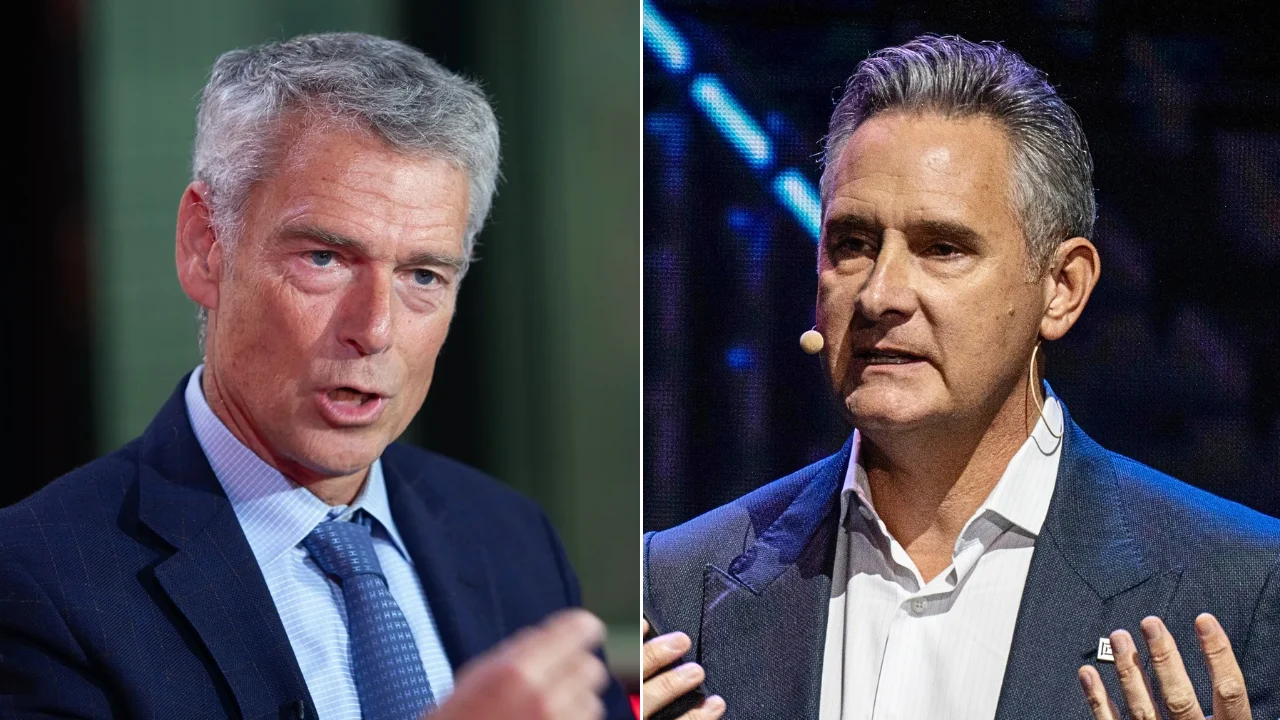
New chief executive John Ternus said memory costs will climb further at the end of 2026, threatening profit margins despite record Mac sales.
Apple chief executive John Ternus warned investors on Monday that surging memory chip prices will squeeze company profits and constrain product supplies through the end of 2026, even after the company closed out a record year for Mac computer sales.
“What we’re seeing with memory pricing right now is unprecedented,” Ternus told analysts on an earnings call, marking his first quarterly conference since taking over leadership from Tim Cook. The outlets reporting the call disagreed on which period Apple had just concluded: TechRadar reported that the remarks came after fiscal third-quarter results, while The Register reported that the briefing addressed Apple’s fiscal fourth quarter.
Margin squeeze and parts shortages
Memory costs are already chipping away at Apple’s bottom line. Chief financial officer Kevan Parekh said the company’s gross margin dropped by about one percentage point between the June and September quarters, excluding the effects of tariffs, entirely due to memory expenses. While existing component inventory and lower prices for non-memory hardware helped cushion the blow, Parekh warned that gross margin is slated to decline from 47.9 percent in the September quarter to between 45 and 46 percent in the December quarter. Expenses tied to rolling out Siri AI will also weigh on profitability.
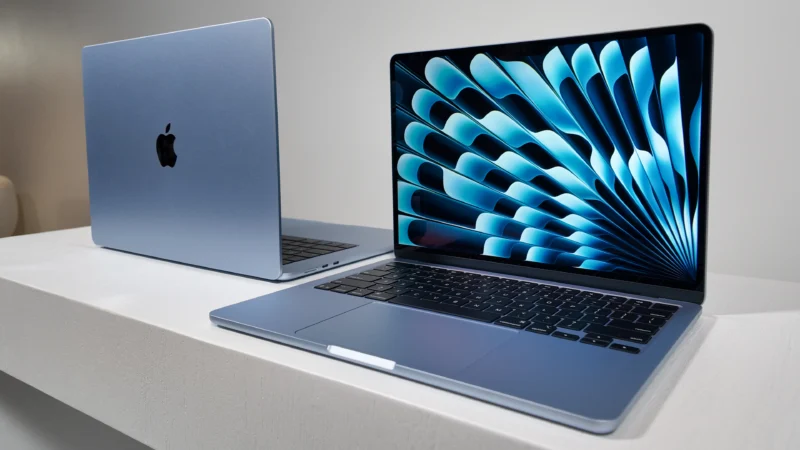
At the same time, securing adequate components is proving difficult. Chief operating officer Sabih Khan said Apple faced supply shortages across Macs, iPads and iPhones during the September quarter because of tight capacity for advanced chipmaking. For the December quarter, Khan said memory supplies will become the main constraint on Mac and iPad availability because consumer demand ran higher than Apple had expected.
To protect its hardware pipeline, Apple increased its manufacturing purchase commitments by $33 billion between June and September. Ternus gave no timetable for when the memory bottleneck might ease, adding that the company expects high memory costs to persist beyond the close of the calendar year.
Why memory costs matter for buyers
The surging price of RAM follows earlier hardware adjustments across Apple’s catalog. Apple raised prices for Macs and iPads in June and increased iPhone prices in September, moves that Parekh said the company made reluctantly. Ternus acknowledged that those price adjustments helped offset rising component costs earlier in the year, when Cook had previously warned that expensive memory would affect Apple products.
The impact is especially visible at the high end of Apple’s computing lineup. For the Mac Studio desktop, purchasing a model configured with 512 gigabytes of memory now costs more than double the price of a 256-gigabyte model, making it cheaper to purchase two 256-gigabyte units instead.
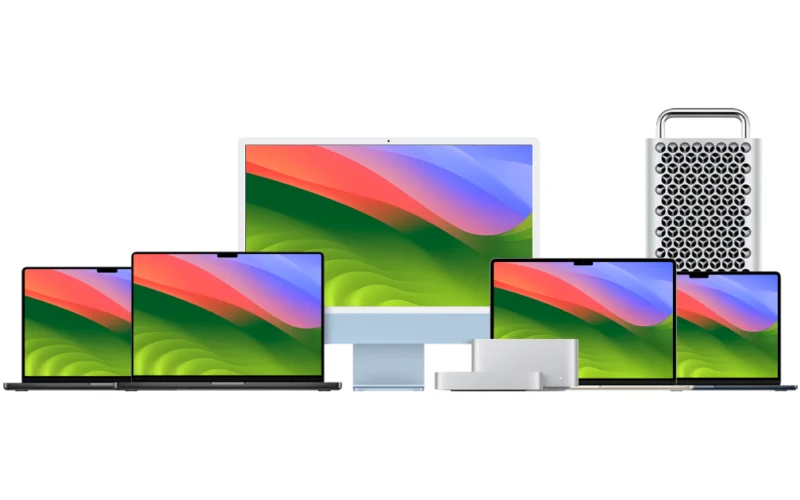
Memory constraints arrive as Apple pitches the Mac as a platform for local artificial intelligence tasks. Ternus pointed to the Mac mini and Mac Studio as devices that handle private AI workloads that once required specialized enterprise hardware. Apple has also updated its catalog with M6 chips and a touchscreen MacBook Pro, driving further customer interest in high-memory configurations.
Record Mac sales and revenue growth
Despite supply bottlenecks and higher retail prices, Mac purchases accelerated through the second half of the fiscal year. Apple posted $10.8 billion in Mac revenue during the September quarter, an increase of 24 percent from a year earlier, following $10.35 billion in Mac revenue during the June quarter. Growth was led primarily by the MacBook Neo and the MacBook Pro.
“We have never sold more Macs in a fiscal year than we did this time,” Ternus said.
The broader business also expanded. Total revenue for the September quarter reached $114.5 billion, a 12 percent gain year-on-year. That total included $57.6 billion from iPhones, up 17 percent, and $31.6 billion from Services, an increase of 10 percent. Looking ahead to the December quarter, Apple told investors it expects overall company revenue to grow between 7 and 10 percent.