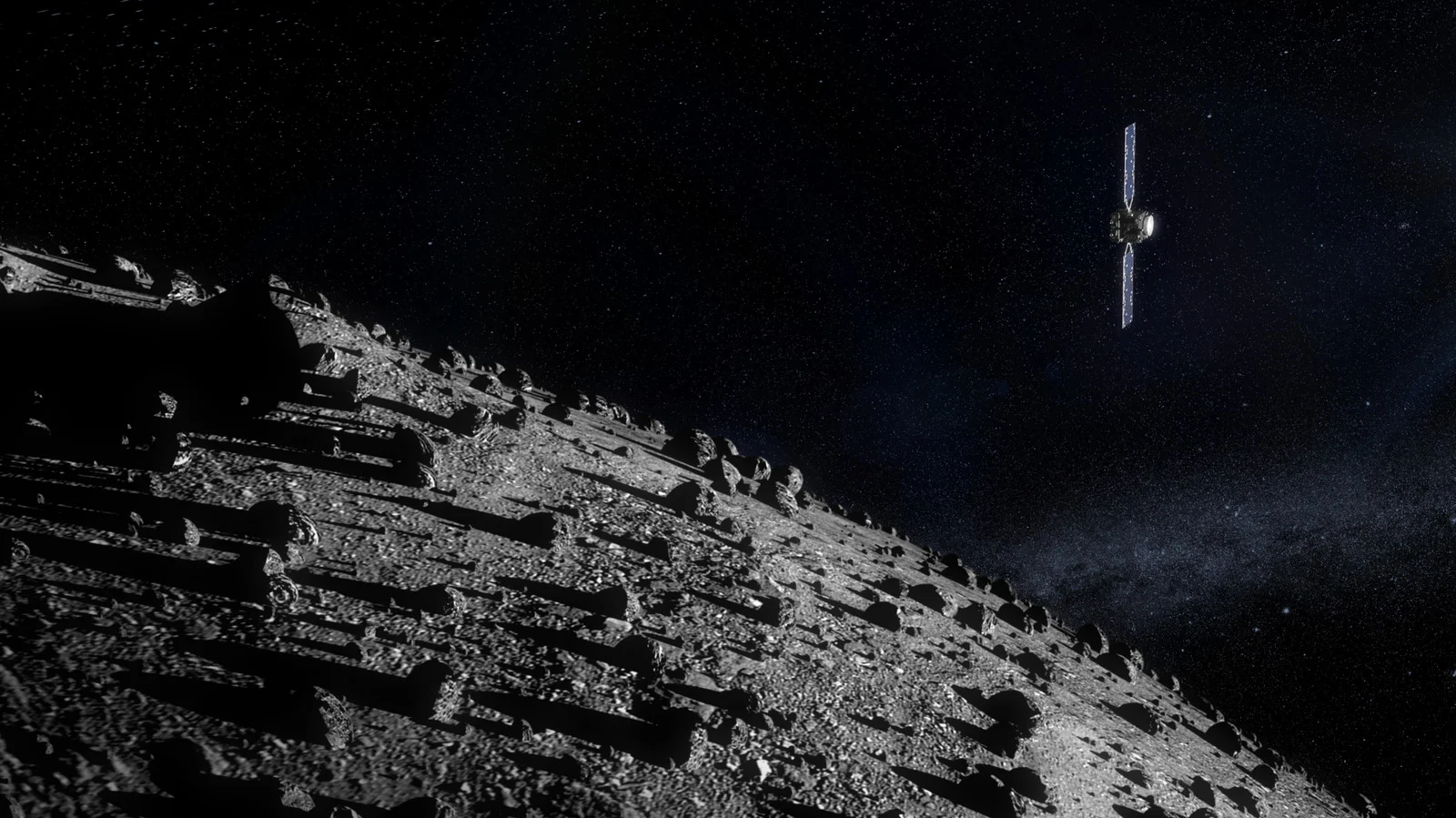

Regulators granted conditional approval for the Starmind orbital computing network despite pushback from competitors and astronomers.
The Federal Communications Commission granted conditional approval to SpaceX on Wednesday to launch and operate up to 1 million satellites designed as orbiting data centers for artificial intelligence.
The project, named Starmind, marks the first time US regulators have approved a full constellation of AI satellites, The Verge reported. Elon Musk’s company intends to send solar-powered computing modules into orbit to process data in space and relay results back to users on the ground.
FCC Chairman Brendan Carr said in a statement that the decision “opens a bold new frontier for the computing infrastructure needed to power America’s leadership and growth.” Musk responded to Carr on X, writing that the approval “will be a great asset to America and the world.”
How the Starmind orbital network works
SpaceX designed Starmind to address shortages of electricity, land and cooling that limit ground-based data centers, Fox News reported. In its announcement, the FCC compared the concept to reaching a Kardashev Type II civilization, an idea introduced in 1964 by Soviet astrophysicist Nikolai Kardashev to describe a society capable of harnessing the full energy output of the sun.

Under the plan, SpaceX will place satellites at altitudes between 500 and 1,002 kilometers, according to TechCrunch. The modules will communicate with one another and with other satellites using high-speed laser links. The FCC also authorized backup radiofrequency communications so ground controllers can track and steer the satellites if their main laser connections fail.
SpaceX plans to manufacture processors for the network at an upcoming facility called Terafab. The company also intends to connect the data centers directly with its existing satellite internet system, after Musk defended Starlink limits and expanded commercial service.
Strict deadlines and unresolved debris questions
The authorization comes with a multi-year timetable. SpaceX must launch its first operational satellite within seven years, setting a deadline of 2033, and finish deploying the full 1 million satellites within 14 years, by 2040.
The FCC did not grant every request SpaceX filed earlier this year, Al Jazeera reported. Under current FCC rules, operators must ensure satellites operating below 2,000 kilometers reenter the atmosphere within five years after finishing their missions. SpaceX requested an exemption so it could park retired satellites above 600 kilometers in graveyard orbits around Earth or send them into orbit around the sun.
Regulators deferred action on that disposal request. The commission concluded that SpaceX had not submitted sufficient technical details explaining how it would safely handle orbital debris at those higher altitudes.

Industry pushback and the race for space compute
The application met formal objections from satellite operator Viasat, the American Astronomical Society, and Amazon, which is developing its own satellite internet business named Leo. Competitors warned that a constellation of 1 million satellites could increase orbital debris, create space traffic jams, cause radio interference and harm astronomical research. Amazon told regulators the filing was a lofty ambition rather than a real plan and warned it posed real harm.
Carr dismissed those warnings in March, telling Amazon to focus on launching its own satellites rather than criticizing SpaceX’s launch cadence. The FCC also turned aside objections regarding risks to scientific research, saying those issues fell outside the agency’s legal scope.
Technical and financial questions remain about whether SpaceX will ever place 1 million satellites in orbit. Only about 17,000 active and inactive satellites circle Earth today. SpaceX previously asked for approval for 42,000 Starlink satellites and currently operates just over 11,000 of them. The company’s business model relies on Starship, its experimental heavy rocket, to sharply lower launch costs.
Other tech companies are pursuing similar orbital concepts. Google deployed an experimental Project Suncatcher server satellite last month, with Jeff Bezos’ Blue Origin scheduled to conduct a dedicated heavy-lift launch for that project in 2029.