A Treasury Department review found the nine largest national banks restricted services based on politics, religion and lawful business activities.
The nine largest national banks in the United States denied services and closed accounts for customers and businesses based on political views and lawful commerce, according to a report released Wednesday by the Treasury Department’s Office of the Comptroller of the Currency. Jonathan Gould, the Comptroller of the Currency, said the agency’s investigation uncovered evidence that lenders discriminated against clients between 2020 and September 2025, Fox News reported.
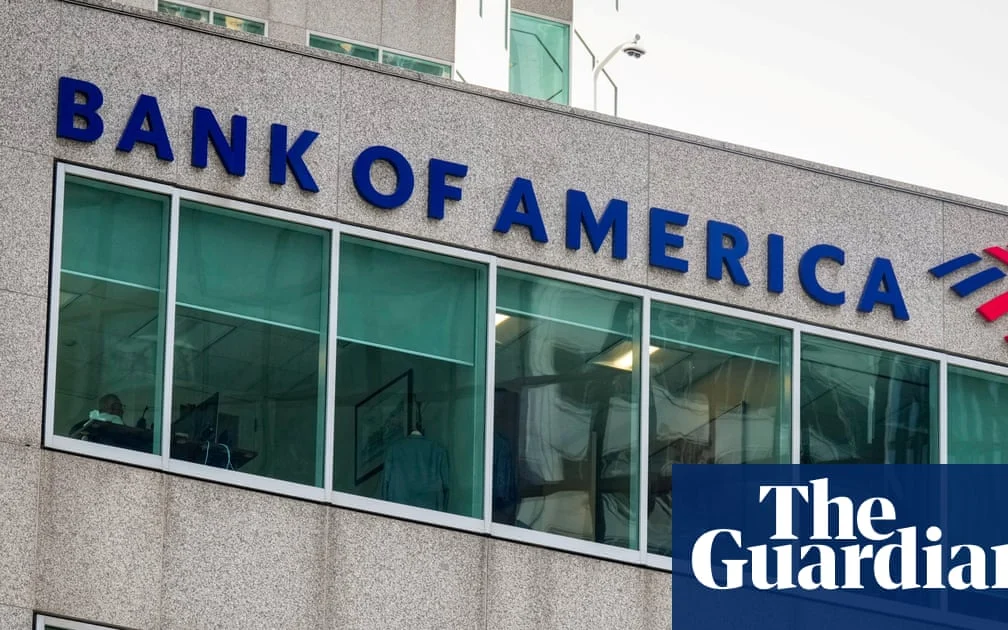
The 47-page inquiry examined debanking, the practice where a financial institution restricts, denies or closes a customer’s access to banking services. Investigators reviewed nearly 100,000 complaints submitted to OCC-regulated institutions alongside roughly 50,000 documents totaling about 420,000 pages from the lenders, which include JPMorgan Chase Bank, Bank of America, Citibank, Wells Fargo Bank, U.S. Bank, Capital One, PNC Bank, TD Bank and BMO Bank.
Accounts closed across political lines and specific sectors
The inquiry detailed instances where financial institutions terminated or refused accounts because of political stances. In February 2021, a payment processor owned by one bank terminated the account of a seller offering merchandise related to Donald Trump and the Make America Great Again brand, the report said. Two years later, a bank refused financial services to a public education group because its political arm endorsed only Democratic candidates.
Until 2025, a business unit at one bank classified any company participating in partisan activity as carrying presumptively high reputation risk. While that standard affected groups on both sides of the political aisle, the bank declined services to organizations because of constitutionally protected speech while continuing to serve groups labeled bipartisan. Debanking can also stem from legal and regulatory concerns, such as overdrawn balances or suspected fraud, according to CBS News.
The OCC also concluded that lenders maintained public and private restrictions targeting specific legal industries. Those policies limited banking access for companies involved in oil and gas exploration, coal mining, coal-fired power plants, firearm and ammunition manufacturing, the operation of detention facilities, tobacco and e-cigarettes, and cryptocurrency activities.
Executive order and past complaints
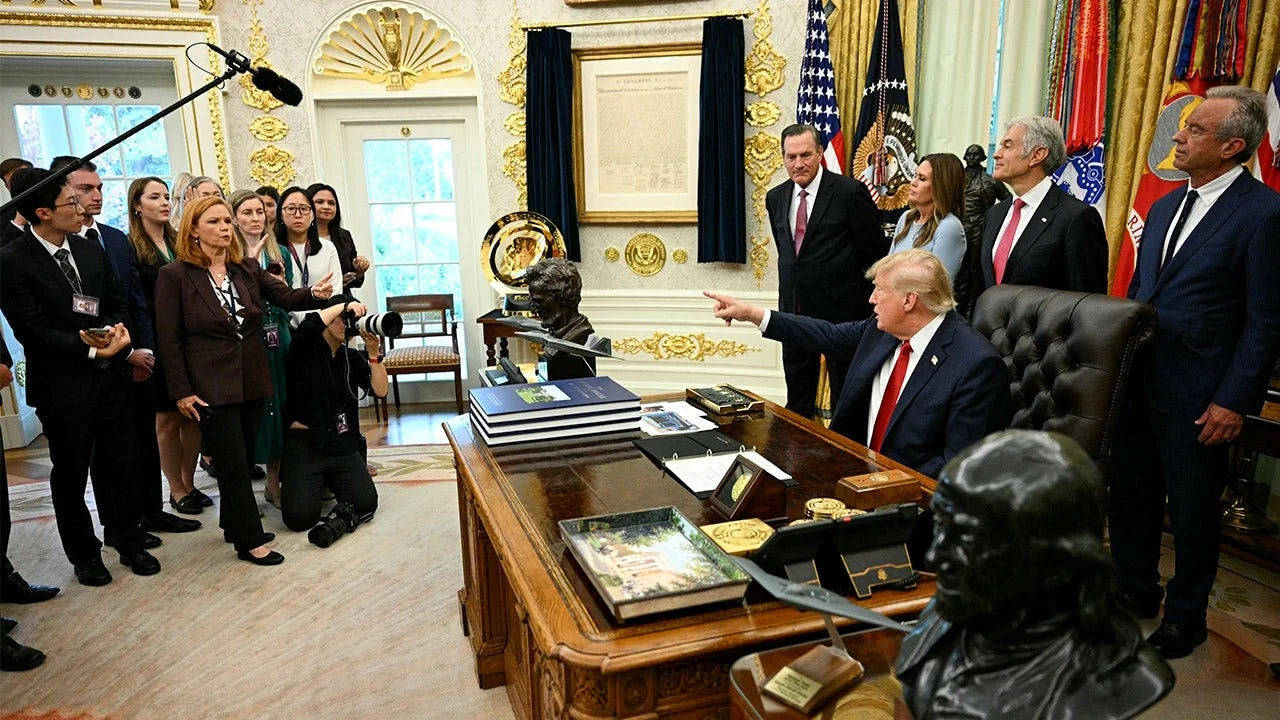
The review stemmed from an executive order signed by President Donald Trump in August 2025. That directive ordered federal regulators to examine complaints to see whether bank rules pushed lenders to deny services to clients because of lawful commerce or political and religious views. The OCC announced the investigation in September 2025 and published preliminary findings in December 2025.
Trump has previously stated that he was debanked because of political bias among regulators. In her memoir, Melania Trump wrote that a bank closed her long-held account and that Barron Trump was later rejected when trying to open an account following the events of Jan. 6, 2021. Cryptocurrency investors have similarly reported account closures from lenders wary of dealing with digital asset businesses.
Wall Street sources told Fox News Digital that regulators during the Biden administration pressured major institutions to scrutinize accounts for political reasons, leaving lenders little leeway when supervisory agencies offered guidance.
Lenders point to regulatory pressure and past errors
JPMorgan Chase stated that its rules forbid discrimination tied to political or religious viewpoints. The report identified the defunct payment processor WePay, which JPMorgan Chase bought in 2017, as the entity that closed accounts for merchants selling Trump merchandise. A spokesperson said WePay’s actions failed to meet the bank’s standards, adding that the lender corrected the issue and no longer operates that business.
JPMorgan Chase also noted that years of regulatory second-guessing created a culture of caution across the sector that requires reform. Citibank, Wells Fargo and BMO Bank directed inquiries to the Bank Policy Institute, an industry trade group.
The Bank Policy Institute said banks support fair access and want clear standards that concentrate supervision on material financial risk rather than reputational concerns.
What happens next
Gould said in a statement, “Americans should have access to financial services regardless of their beliefs, affiliations, or political views.” He added that the administration intends to stop the practice across the financial sector.
The OCC said it is now weighing regulatory steps to prevent banks from discriminating against existing or prospective clients based on political or religious beliefs, including changes to how institutions use reputation risk in account decisions.
Congressional scrutiny is also pending. Senate Banking Committee Chairman Tim Scott called the findings damning, stating, “Debanking Americans over faith or politics is simply un-American.” Scott said the committee plans to address the findings when Congress reconvenes.