

AIM was discontinued effective 15 December 2017, after around twenty years, with the closure announced in early October of that year.
That is confirmed from technology reporting rather than from a read of a primary AOL announcement, and it is stated with that attribution because this site does not present a secondary source as a primary one.
The date is the easy part. The interesting part is what the away message was, because it was a kind of communication that briefly existed and then stopped.
The away message was a broadcast medium
Before there was a status update, before there was a tweet, before there was a story, there was a line of text attached to your name that everyone on your buddy list could see.
And people used it for everything except what it was for.
It was designed to say you had stepped away from the computer. What it became was a place to put song lyrics, a private message aimed at one person in a way that let you deny it was aimed at anybody, an in-joke, a mood, a countdown.
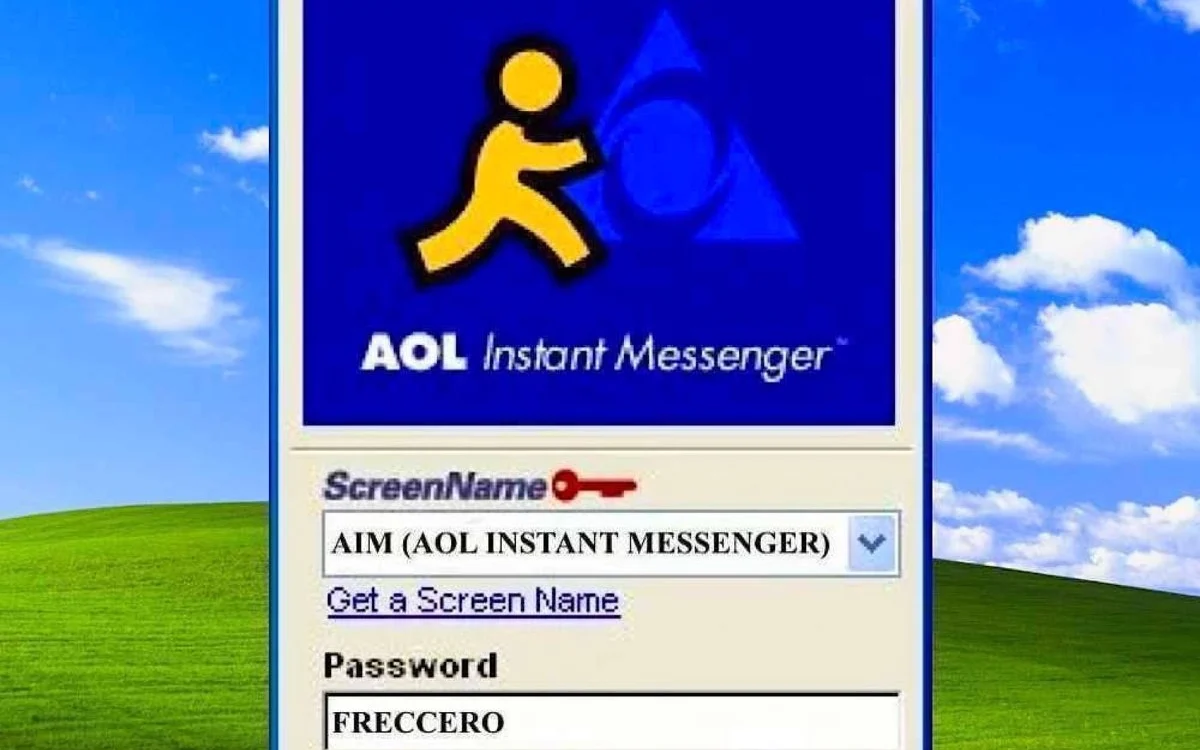
Which makes it, arguably, the first personal broadcast channel most people ever had. Not a post, not a page, not addressed to anyone. A line of text visible to a specific list of people who knew you.
That is a description of the social feed, arrived at years earlier and by accident.
The buddy list was the other invention
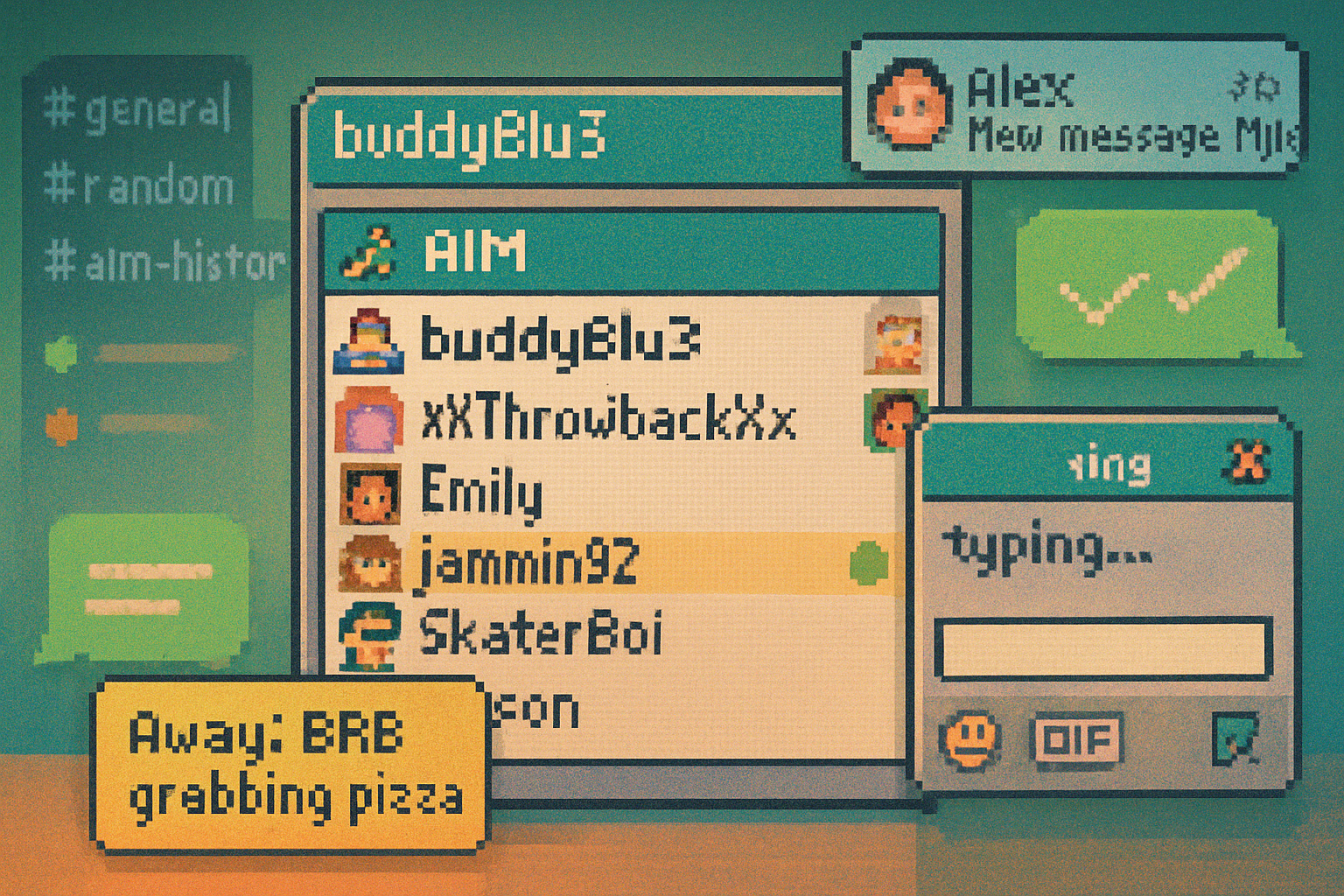
A list of specific people, showing who was available right now.
Presence, in the technical sense: the interface told you something about another person’s current state before you contacted them. You could see that someone was there. You could see that they had been idle for a while. You could see that they had gone.
That is a strange amount of information about another person’s presence to have had in 1999, and it is not something modern messaging has more of. Most current messaging apps have less: a read receipt, an online indicator sometimes, and nothing like a public status line.
Why it ended
Not a single dramatic cause. A category that moved underneath it.
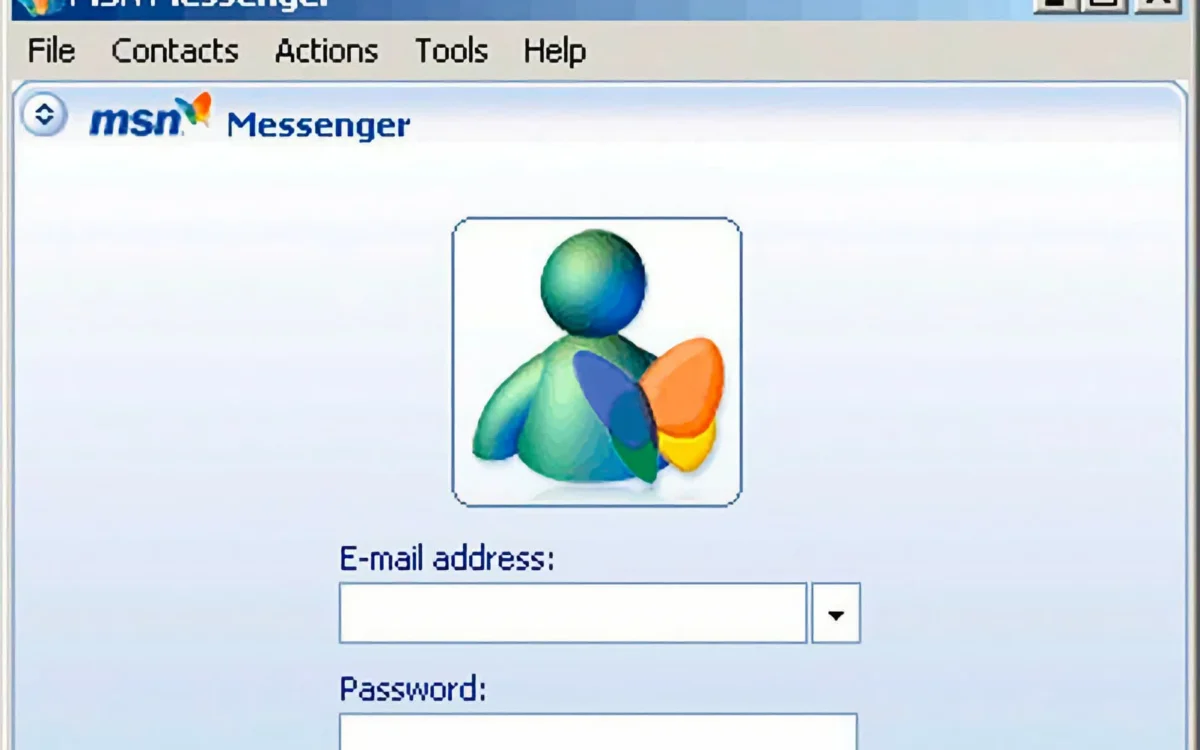
Messaging moved to the phone, and on a phone, presence is meaningless because everyone is always there. The away message solves a problem that only exists when your messaging is attached to a desk.
Messaging moved into other products. Social networks added it, then it became the main thing they did. Phone operating systems had their own. Groups moved to whichever app the group used.
And the desktop client itself became an odd object. A separate application, running all the time, for one purpose, on a machine you were not always at.
None of that is a failure by anybody. It is the same shape as several stories on this site: the product did not get worse, the thing it was for stopped being a thing. The same mechanism runs through what happened to MSN Messenger, which ended by being migrated into a product that has since been migrated again.
What survived
The idea of presence survives in weaker forms: an online dot, a last-seen time, a typing indicator.
The broadcast status line survives as the social feed, which is a much bigger thing that swallowed it.
The conversation logs, mostly not. This is the honest and slightly sad part. Chat histories from that era lived on individual hard drives in application-specific formats, on computers that have since been replaced. There was no cloud to sync them to and nobody thought to archive them.
Which means the era’s most voluminous form of writing is also its least preserved. Millions of hours of conversation, on machines that went to landfill.
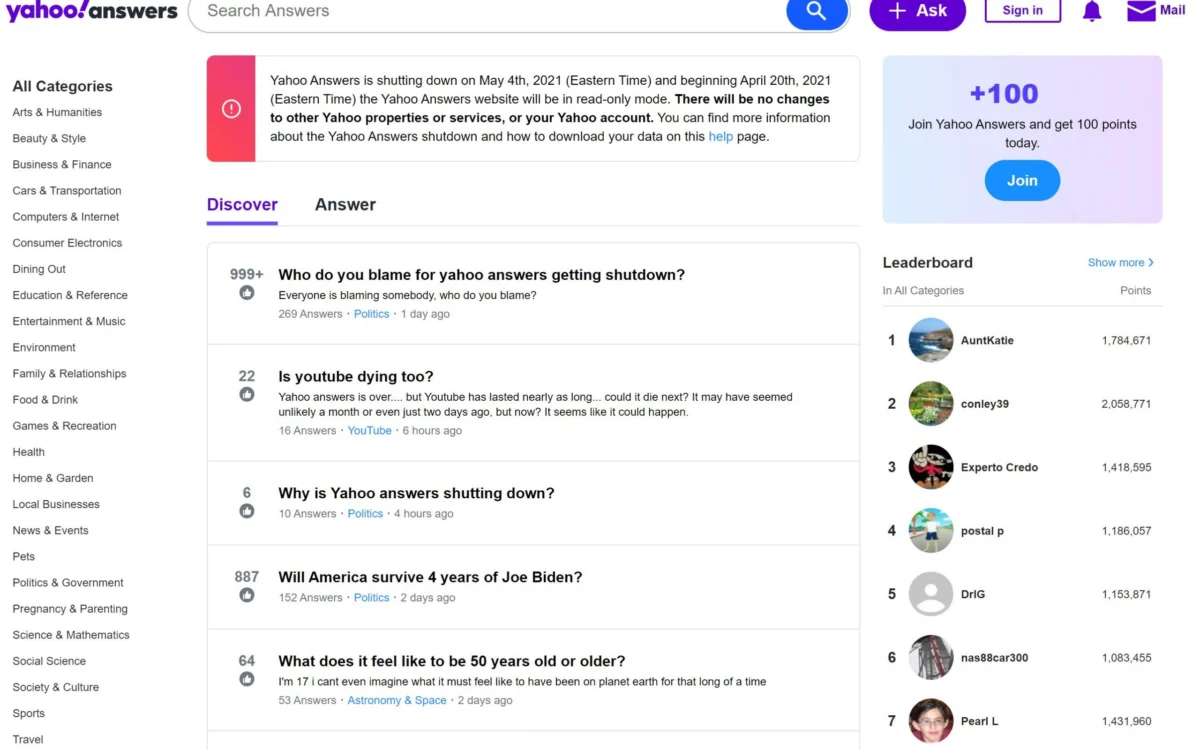
That is a recurring theme across this cluster and it is worth stating plainly: what survives from a dead service is what somebody deliberately saved, and the same lesson runs through what happened to Yahoo Answers, where a volunteer archiving effort is the reason any of it still exists.
What we are not going to publish
User counts, at peak or at closure. None was confirmed against a primary source.
Revenue figures.
Dates for the intermediate product changes across AIM’s life, which were not confirmed.
A claim that AIM was better. It served a period in which computers were furniture, and that period ended.
FAQ
When did AIM shut down?
It was discontinued effective 15 December 2017, with the closure announced in early October of that year. That is from technology reporting rather than a read of a primary AOL announcement, and is stated with that attribution.
Why did AOL shut down AIM?
Messaging moved to phones and into other products. Presence, which is what a buddy list was for, stops being meaningful when everyone is always online, and a separate desktop application for one purpose became an odd object.
What was an away message?
A line of text attached to your name that everyone on your buddy list could see. Designed to say you had stepped away, used for song lyrics, moods, in-jokes and messages aimed at one person deniably. It was a personal broadcast channel before anyone called it that.
Can I get my old AIM conversations?
Generally not. Chat logs of that era lived on individual computers in application-specific formats, on machines that have since been replaced, and there was no cloud syncing them anywhere.
What replaced AIM?
No single product. The functions split: messaging into phone apps and social networks, presence into weaker indicators, and the away message into the social feed, which became a much larger thing.
Sources: the 15 December 2017 discontinuation date and the early October 2017 announcement were confirmed by a web search of secondary technology reporting on 2026-08-28 and are attributed as such in the body rather than presented as a read of a primary announcement.
This page publishes no user-count figure or revenue figure, and states no dates for intermediate product changes, because none was confirmed against a primary source at the time of writing.