

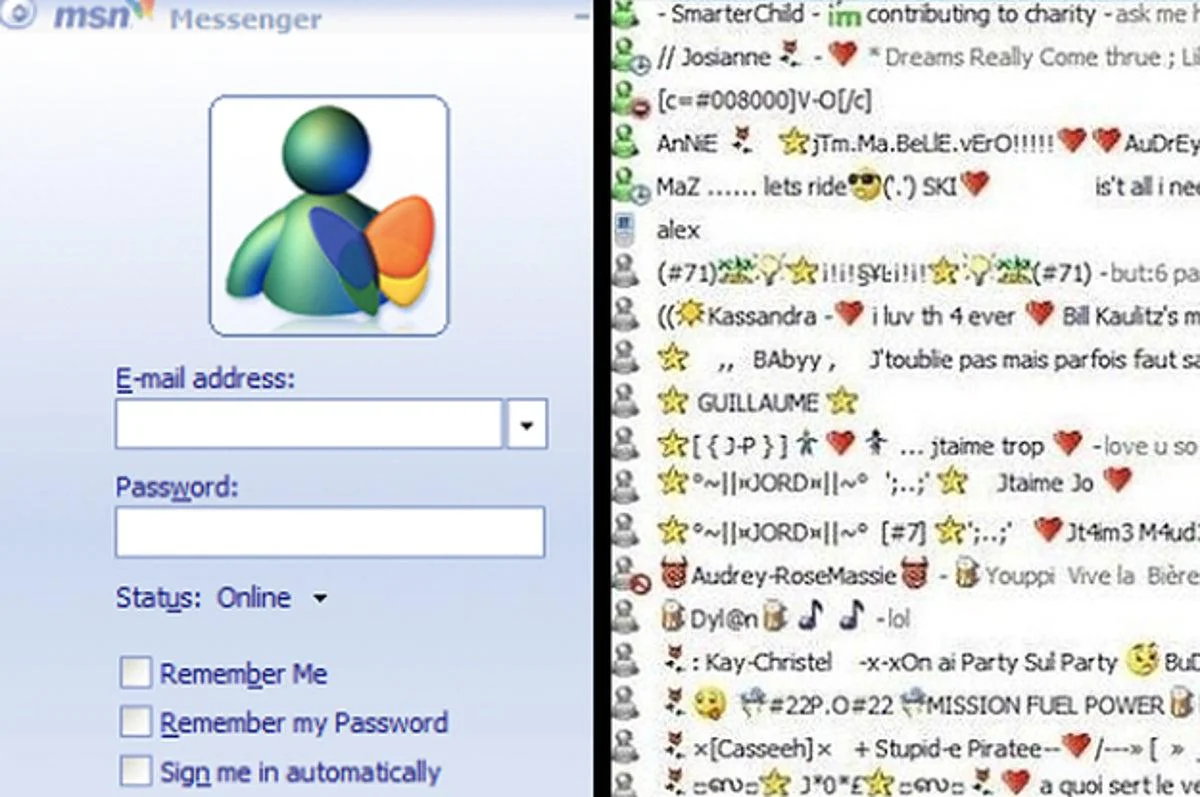
Microsoft did not shut Messenger down and leave its users with nothing. It moved them into Skype, in 2012 and 2013, and told them their contacts would be waiting. Then, on May 5, 2025, Microsoft retired Skype and moved everyone again, into Teams. So the honest answer to what happened to Messenger is that it was migrated into a product that has itself now been migrated, and the notice that started the whole thing no longer resolves to anything you can read.
That last part is checkable in about thirty seconds, and it is the most useful thing on this page.
The 2012 announcement, and what it promised
Microsoft’s own archived blog material from November 2012 carries the Skype team’s announcement in full. The framing was not a shutdown. It was a merger of user bases:
“Skype and Messenger are coming together. Millions of Messenger users will be able to reach their Messenger friends on Skype. By updating to Skype, Messenger users can instant message and video call their Messenger friends.”
And the mechanism:
“This effort started with the release of Skype 6.0 for Mac and Windows a few weeks ago, which allows you to sign into Skype using a Microsoft account. Now Messenger users just need to update to the latest version of Skype, sign in using a Microsoft account, and their Messenger contacts will be there.”
That is a good migration notice, by the standards of this category. It names the replacement, it explains the account mechanism, and it makes a specific promise about what carries over. Very few of the shutdowns covered on this site did as much.
We could not confirm the exact date Messenger stopped working, or whether any country was excluded from the retirement, from a Microsoft page we were able to read. Dates and a country exception circulate widely. Neither could be traced to a Microsoft source in this research, so neither is stated here. If you want that detail, Microsoft’s own support material is where it should be, and this page will be updated if it can be read there.
Follow the announcement’s own link today
Here is the check, run on August 26, 2026.
The 2012 post points at the Skype blog post announcing the change, at blogs.skype.com/en/2012/11/skypewlm.html. That address today returns a 301 redirect to www.skype.com/en/blogs. That address in turn returns a second 301, to teams.live.com/free?source=skype.
So a person following the original announcement in 2026 arrives, after two redirects, at a sign-up page for a third product. Nothing 404s. Nothing tells you the post is gone. The link works perfectly and delivers you somewhere that has never heard of your question, which is the shape this site has now documented on several platforms and which is worse than a broken link, because a broken link at least tells you the truth.
The original text of that Skype post is not readable at its own address. The only reason it can be quoted above is that a Microsoft blog quoted it at the time, and that copy was archived.
The second migration, which has dates and a deadline
Microsoft’s own support page on Skype’s retirement, read the same day, is unambiguous:
“As of May 5th, 2025, Skype is retired.”
“This change will impact both free and paid Skype users, but not Skype for Business.”
On what happens to the account:
“Sign in to Microsoft Teams Free on any supported device using your Skype credentials and your contacts and chats will automatically be transferred.”
That is, almost word for word, the promise made to Messenger users in 2012. Sign in with your existing credentials and your contacts will be there.
The page also lists what stopped on the day of retirement: “SMS, Call forwarding, Voicemail, Skype Credit gifting, and Caller ID setup” are no longer available.
And it carries dates that matter to anyone who has not acted. The page’s own timeline runs: April 3, 2025 for the last automatic renewal of subscriptions; May 5, 2025 for the retirement; January 2026 for Skype data becoming available for export or deletion; April 1, 2026 for the start of data deletion; and June 15, 2026 for the export portal to close. Its advice is to submit an export request “as soon as possible before data deletion begins on April 1, 2026.”
Read those dates against today’s. Both have passed. If you were relying on being able to go back for a Skype history at some point, the window Microsoft described closed before this article was written. That is not a criticism of Microsoft, which published the dates clearly and well in advance. It is a statement about where things stand, and it is the kind of fact that a retrospective written from memory would get wrong.
What this pair of migrations actually shows
The pattern here is not neglect. It is the opposite, and that is what makes it interesting.
Both times, Microsoft did the things a company is supposed to do: it announced the change in advance, named the successor, preserved the account identity, carried the contacts across, and published a timetable. Compared with the platforms on this site that simply stopped answering, this is careful behavior.
And a Messenger user who did everything right in 2012 has still been moved twice in thirteen years, into a product they did not choose, twice. The contacts survived. The identity survived. What did not survive is any sense that where you put your conversations is a place.
There is a second thing worth naming. A migration promise is about contacts and account access. It has never, in either of these announcements, been a promise about the conversations themselves. The 2012 notice says the contacts will be there. The 2025 notice says contacts and chats transfer into the successor, and separately gives an export route with a closing date. Those are different guarantees from an archive, and treating them as an archive is how people end up surprised.

The wider pattern on this site
Microsoft has form for moving users forward through products rather than abandoning them, and it also has form for the forward destination not lasting. The phone platform it built and asked people to buy into is the largest example, and what happened there followed the same arc of commitment and reversal.
The alternative failure, where nobody moves anyone anywhere and the servers simply stop answering, is the more common one in this category, and it is the one that leaves volunteers to do the work a company did not do. Between the two, being migrated is better. It is just not the same as being kept.
What a reader can and cannot do now
- Contacts and account. If a Skype identity was signed into Teams, Microsoft’s page says the contacts and chats came across automatically.
- A Skype export. By Microsoft’s own published dates, the export portal closed on June 15, 2026 and deletion began on April 1, 2026.
- Messenger conversations from before 2013. We found no Microsoft route to retrieve these, and we are not going to describe one we have not seen. If anything survives, it survives on the computer it was used on, which is a question about that machine rather than about Microsoft.
- The original announcements. The Skype post is not readable at its own address. The Microsoft blog copy quoting it is archived and readable, which is the only reason it appears here.
The dates, in one place
| Date | What happened | Source |
|---|---|---|
| November 2012 | Skype and Messenger announced as coming together; Messenger users told to update to Skype and sign in with a Microsoft account | Microsoft blog, archived, dated 2012-11-07 |
| 2013 | Messenger retired. Exact date not confirmed at a Microsoft source in this research and therefore not stated | not confirmed |
| April 3, 2025 | Last automatic renewal of Skype subscriptions | Microsoft support |
| May 5, 2025 | “As of May 5th, 2025, Skype is retired” | Microsoft support |
| January 2026 | Skype data made available for export or deletion | Microsoft support |
| April 1, 2026 | Data deletion begins | Microsoft support |
| June 15, 2026 | Export portal closes | Microsoft support |
What this page does not claim
- No user numbers, for Messenger or for Skype. None was read at a source we could verify.
- No exact Messenger shutdown date and no country exception, for the same reason.
- No claim about Microsoft’s DNS. Our own fetcher returned a name resolution failure for
messenger.msn.comon August 26, 2026. That is a result from our tooling and is recorded as such, not as a finding about Microsoft. - No buying advice. This site writes what happened. It does not turn a shutdown into a rule for what to purchase.
Sources. The 2012 quotations are from an archived Microsoft blog post, “It’s official. Goodbye Windows live Messenger. Hello Skype.”, dated November 7, 2012 and carried in Microsoft’s own blog archive, which reproduces the Skype announcement it quotes. All Skype retirement quotations and dates are from Microsoft’s support page “Skype is retiring in May 2025: What you need to know.” The redirect chain from the 2012 post’s own link was tested directly on August 26, 2026 and the two 301 responses reported above are what it returned. Everything not sourced is marked as not confirmed.