
“My photos are on there. Are they safe?”
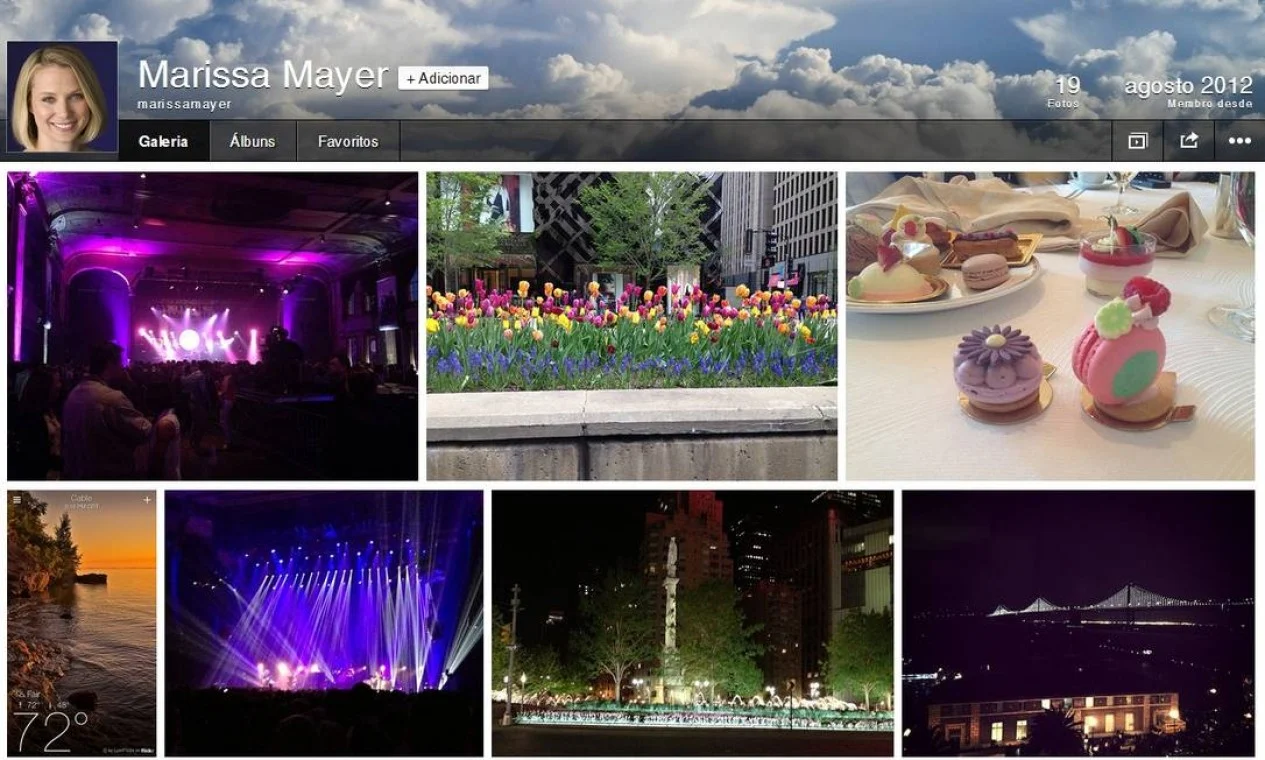
That is the real question, and it deserves a straight answer before any history: Flickr did not shut down. It still runs, under different ownership, with a free tier that has been reduced from what it once was.
**Whether your specific photographs are still there depends on how many you uploaded, which account tier you were on, and what has changed since. The only reliable answer is to sign in and look, and this page will say so rather than guessing.
The short history
Flickr was, for a period in the mid-2000s, the place photographs on the internet lived.
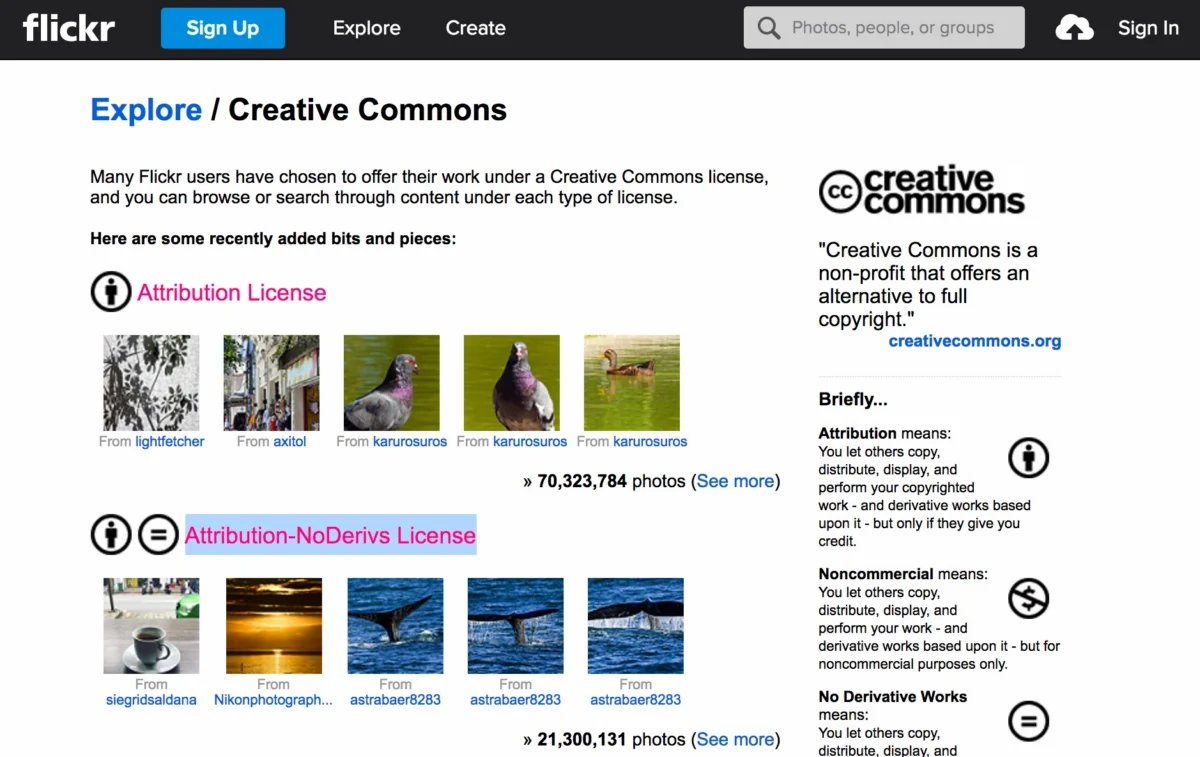
It did several things first that are now ordinary: tagging photographs, public sharing by default with granular controls, comments and groups organized around subjects, and a serious commitment to Creative Commons licensing that made it a genuine resource rather than only a personal gallery.
It was acquired by Yahoo, and the years that followed are the part everyone characterizes the same way: a product that had been ahead was not developed at the pace the market moved, while photo sharing was reinvented on phones by companies that started with the camera rather than with the archive.
And then it was sold to SmugMug, a photo-hosting company, which is confirmed from technology reporting rather than a primary announcement. A specialist buying it from a conglomerate is a meaningfully different outcome from a shutdown, and it is the reason this article exists in this form rather than as an obituary.
The free tier change, and why this page states no number
The new ownership reduced what a free account could hold, and users with more than the new allowance were given notice to upgrade or to reduce what they stored.
We are not going to tell you what that limit is.
Two reasons, and both are honest ones.
We did not confirm the figure against a primary source for this page.
And more importantly, it has changed more than once. A storage limit published in an article is a number that becomes wrong quietly, and this row carries a twelve-month freshness flag for exactly that reason. A reader making a decision about their own photographs on the basis of a limit from a stale article is the failure mode this site exists to avoid.
Sign in and read Flickr’s own current terms. That is the only version that is correct today.
The thing that actually happened to Flickr, structurally
It was a photo archive in an era that stopped wanting archives.
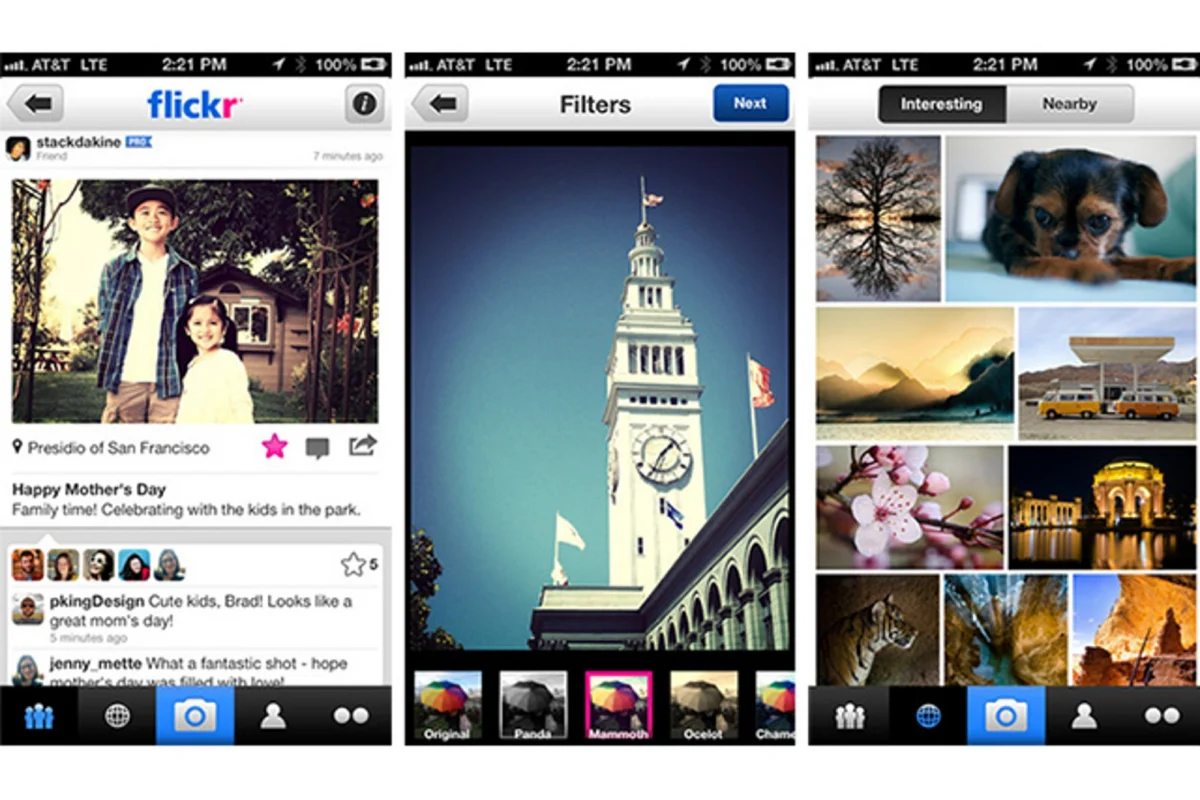
Flickr’s model was: here is a permanent, organized, searchable, licensable collection of photographs, with metadata.
What replaced it was: here is a stream of photographs that scrolls past, is not organized, is not searchable in any useful way, and is not intended to be returned to.
Those are different products for a different behavior, and the second one won by an enormous margin because it fits how people use a phone.
Which is why “Flickr lost to Instagram” is true and unhelpful. They were not competing for the same job. One is an archive and the other is a feed, and the world chose feeds.
The same shape appears elsewhere in this cluster. What happened to Google Reader is the same story about text: an organizing tool for material you wanted to come back to, in a period that moved to streams you do not.
Why the ownership change matters more than it sounds
A photo-hosting company buying a photo-hosting service is a better fit than a conglomerate holding it as one asset among hundreds.
Not because the buyer is virtuous, but because the incentives align. A company whose business is photo hosting has a commercial reason to keep photographs. A company for which the service is a legacy line item has a commercial reason to reduce what it costs, and reducing what it costs, on a photo service, means storing fewer photographs.
That is the mechanism behind almost every “will my photos be deleted” question on the internet, and it is worth understanding as a general principle rather than as a fact about one company.
The general lesson from this whole cluster
Content you have not got a copy of is content somebody else has decided to keep.
Not a warning about Flickr specifically. Flickr is one of the better cases in this cluster: it is still running, its material was not deleted en masse, and the buyer is a company in the business of storing photographs.
Compare it with what happened to Yahoo Answers, where the material survives only because volunteers saved it before a deadline. The variable is not how much people cared about the content. It is who happened to own it and what their business needed.
If your photographs matter, download them. Flickr provides a way to do that, as most services do, and doing it costs an evening.
What we are not going to publish
The acquisition date or value. Neither confirmed for this page.
The free-tier photo limit or when it took effect. Not confirmed, and changed more than once.
User counts or upload figures.
A recommendation of any photo service, including Flickr. This page names SmugMug because it is the acquirer, which is a fact about the story rather than an endorsement.
FAQ
Is Flickr shut down?
No. It still runs under ownership by SmugMug, which acquired it from its previous owner. That acquisition is confirmed from technology reporting rather than a primary announcement.
Were photos deleted from Flickr?
The free tier was reduced under the new ownership, and users above the new allowance were given notice to upgrade or reduce what they stored. This page states no limit and no date, because neither was confirmed and both have changed. Sign in and read Flickr’s current terms.
Are my Flickr photos safe?
The reliable answer is to sign in and look, and to download a copy. Any general assurance on a webpage is a statement about a moment that has probably passed.
Why did Flickr lose to Instagram?
They were not doing the same job. Flickr was an organized, searchable archive; the products that replaced it are streams that are not intended to be returned to. The world moved to feeds.
What made Flickr important?
Tagging photographs, groups organized around subjects, granular sharing controls, and a serious commitment to Creative Commons licensing that made it a genuine public resource rather than only a personal gallery.
Sources: the SmugMug acquisition of Flickr was confirmed by a web search of secondary technology reporting on 2026-08-28 and is attributed as such in the body rather than presented as a read of a primary announcement.
This page publishes no acquisition date or value, no free-tier storage limit, no user counts and no upload figures. This row carries a twelve-month freshness flag: ownership and storage limits on this service have changed repeatedly, and a stale figure here would mislead a reader making a decision about their own photographs.