

Yahoo Messenger became inaccessible after 17 July 2018, with the shutdown reported the previous month and users pointed toward a group messaging app called Squirrel.
That is confirmed from technology reporting rather than from a read of a primary Yahoo announcement, and it is stated with that attribution.
But the 2018 shutdown is not the story, and here is why.
The thing people miss was gone years earlier
Ask somebody what they remember about Yahoo Messenger and most of them will describe the chat rooms.
Public rooms, organized by subject and by place, full of strangers. You went in, you read what was scrolling, you said something, and you were in a conversation with people you had never met and would probably never meet again.
Those closed years before the service did. By the time Yahoo Messenger shut down in 2018, it had been for a long time a one-to-one and small-group messaging application, rewritten more than once, without the thing that had made it distinctive.
So the service that ended in 2018 and the service people are nostalgic about were not the same product, and any article that treats the 2018 date as the death of the chat rooms has collapsed several years into one moment.

What the chat rooms actually were
Worth describing precisely, because nothing quite like them exists now.
Public, topic-based, and populated by strangers. Not a friends list, not an invited group, not an algorithmically assembled feed. A room, with a name, that anybody could walk into.
Which produced a specific social experience: conversation with people selected only by shared interest, with no social graph attached, no persistent identity beyond a handle, and no record afterwards.
It also produced the other thing, and this page will say it rather than being coy. Unmoderated public rooms full of anonymous strangers were, predictably, home to a good deal that was tedious, aggressive or worse. The reason large platforms do not offer that shape any more is not only technical, and pretending otherwise would be dishonest nostalgia.
Both things are true. It was a genuinely distinctive way of meeting people, and it was substantially unmoderated in a way no company would now ship.
Why the service ended
The same structural answer as several stories in this cluster, arrived at from a slightly different direction.
Messaging moved to phones, where the model is contacts rather than rooms.
Messaging moved into other products, and a standalone chat client stopped being a category.
And the company itself changed hands and changed shape, which is the part specific to this story: Yahoo’s products were being consolidated, and a messaging application that was no longer distinctive is an obvious thing to consolidate.
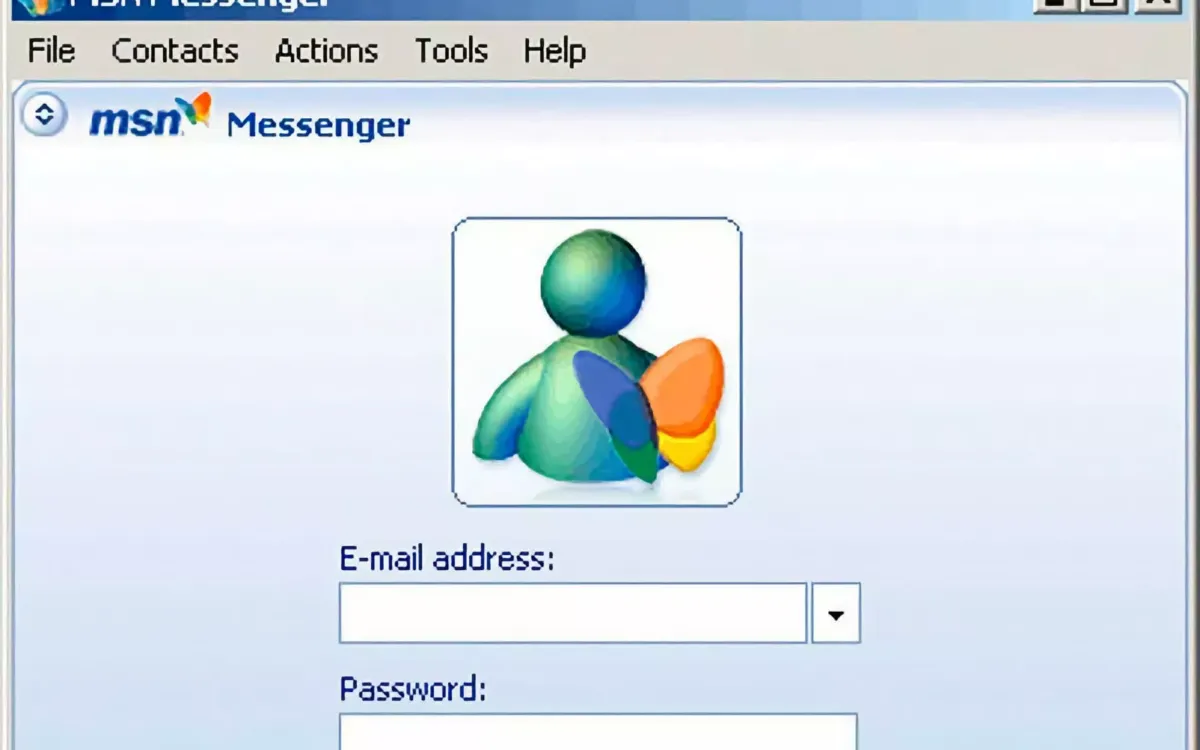
The redirection toward a different, newer group messaging product at the point of shutdown is worth noting, because it is a common pattern: the service is not simply switched off, users are pointed somewhere, and the somewhere is generally not what they wanted. The same shape runs through what happened to MSN Messenger, where the migration destination has itself since been migrated.
What survived
Very little, and this is one of the emptier ones.
Chat room conversation was ephemeral by design. Nothing was stored, nothing was addressed, and nothing was archived, because there was nothing to archive that anybody thought of as content.
One-to-one message histories were, for much of the service’s life, local to the machine.
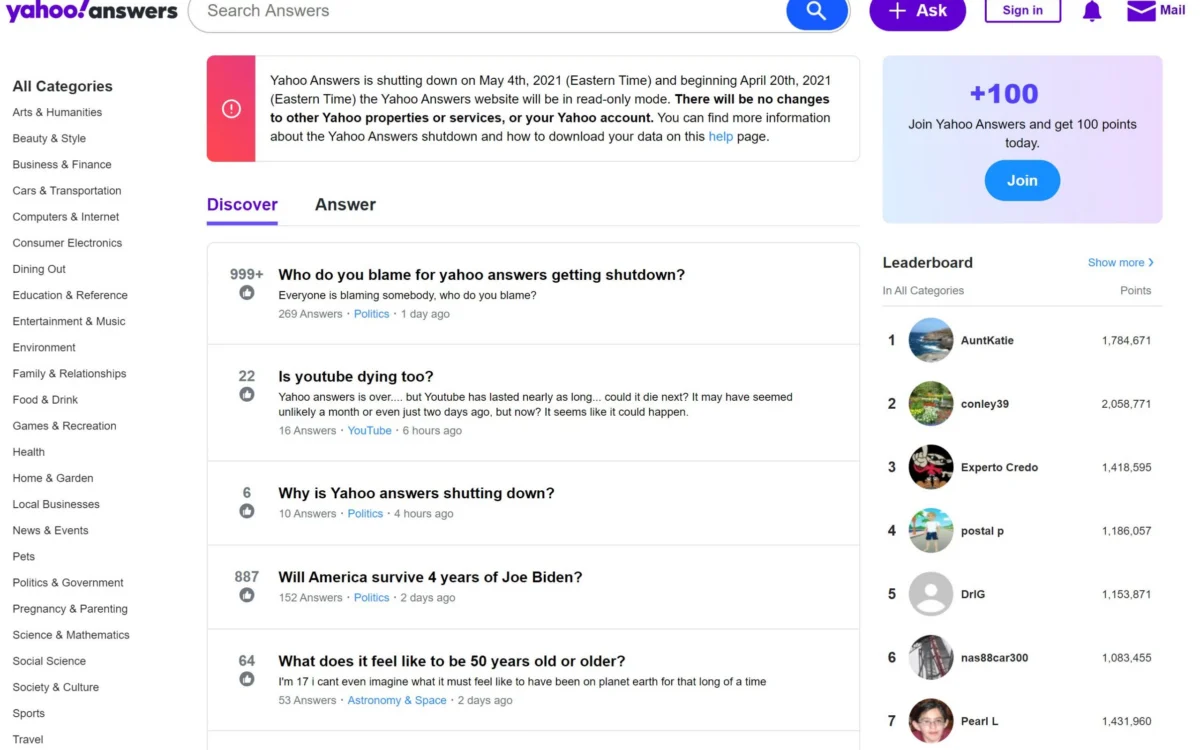
So the surviving record of an enormous amount of conversation is essentially nothing, which is the same finding as what happened to Yahoo Answers reached from the opposite direction: there, the material existed and volunteers saved it. Here, the material never persisted at all.
The distinction is worth holding on to. A service can end with its content preserved, with its content deleted, or with there having been no content to preserve. All three happen and they are different kinds of loss.
Where the behavior went
Topic-based rooms full of strangers did not disappear. They moved to other platforms, in forms with different names and different moderation models.
What has not returned is the version attached to a mainstream consumer service used by ordinary people who were not seeking a subculture. That specific thing, a big general-purpose company running open public rooms, is the part that is gone, and the reasons are as much about liability and moderation as about technology.
What we are not going to publish
User counts, at any point. None confirmed.
The date the chat rooms closed, which was not confirmed against a primary source.
Descriptions of what happened in the rooms beyond the general characterization above. This site does not restate that content.
A verdict on whether it was better. It was different, in ways that are describable, and it had costs that are also describable.
FAQ
When did Yahoo Messenger shut down?
Users could no longer access it after 17 July 2018, with the shutdown reported the previous month. That is from technology reporting rather than a read of a primary Yahoo announcement, and is stated with that attribution.
What happened to Yahoo chat rooms?
They closed years before the messaging service itself did. By 2018 Yahoo Messenger had been for a long time a one-to-one and small-group messaging app, so the shutdown and the end of the rooms are separate events.
What replaced Yahoo Messenger?
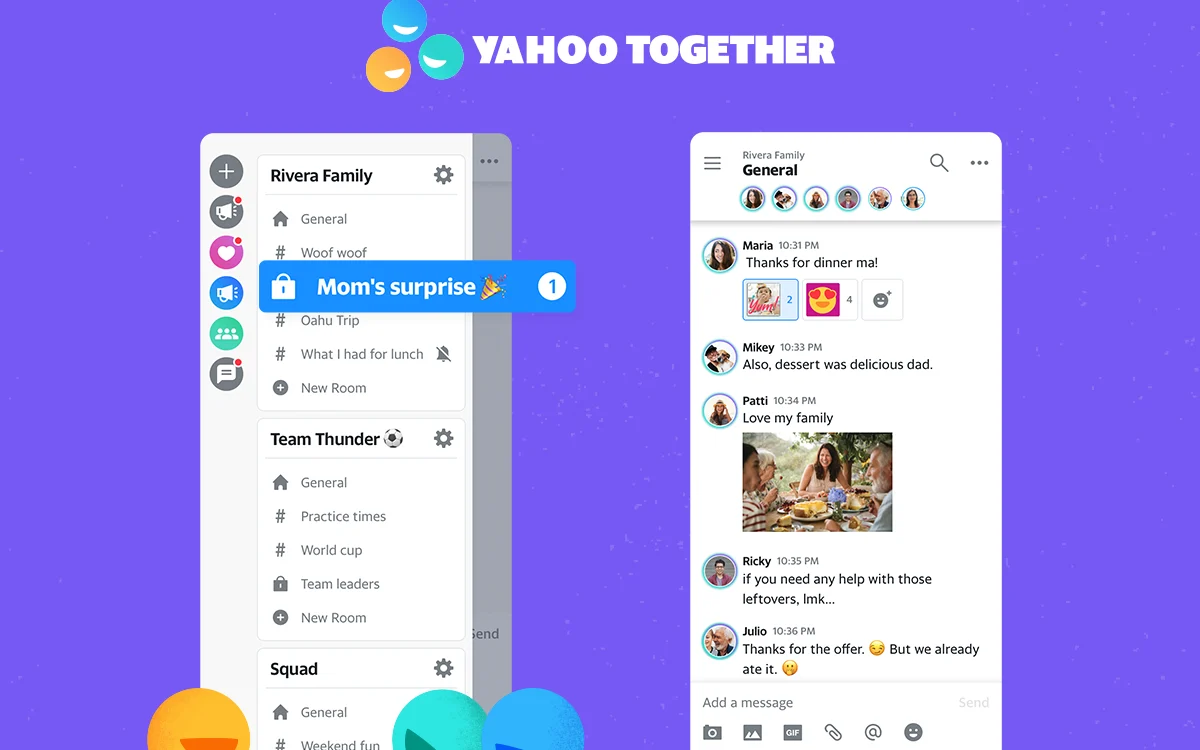
At the point of shutdown, users were pointed toward a group messaging app called Squirrel. In practice the functions had already dispersed into phone messaging and into other platforms’ messaging features.
Can I recover my old Yahoo Messenger conversations?
Generally not. Chat room conversation was ephemeral, and one-to-one histories were for much of the service’s life stored locally on the machine you used.
Were Yahoo chat rooms really as strange as people say?
They were public, topic-based and substantially unmoderated, which produced both a distinctive way of meeting strangers and a good deal that was tedious or worse. Both are true and the moderation question is a large part of why no mainstream service offers that shape now.
Sources: the 17 July 2018 shutdown, the June 2018 reporting of it and the redirection toward Squirrel were confirmed by a web search of secondary technology reporting on 2026-08-28 and are attributed as such in the body rather than presented as a read of a primary announcement.
This page publishes no user-count figure and states no date for the closure of the chat rooms, because neither was confirmed against a primary source at the time of writing.