Ukrainian President Volodymyr Zelenskyy said Russian strikes hit power and gas facilities hours after Donald Trump announced an immediate energy ceasefire.
Ukrainian President Volodymyr Zelenskyy said on Monday that Russian forces continued striking Ukraine’s energy facilities despite President Donald Trump’s announcement of an immediate truce. Speaking on television and at the Warsaw Security Forum, Zelenskyy said Moscow targeted power stations and gas networks within hours of Washington’s statement, leaving dozens injured and causing blackouts in several regions.
The remarks followed developments on Sunday, when Trump announced an energy ceasefire between Ukraine and Russia on social media and told both countries not to break the agreement.
Strikes hit energy sites across Ukraine
Fox News reported that Zelenskyy pointed to overnight strikes against gas infrastructure as proof that Moscow dismissed the initiative. “It was his answer to President Trump,” Zelenskyy told the network, adding that Ukraine refrained from attacking Russian energy targets overnight.
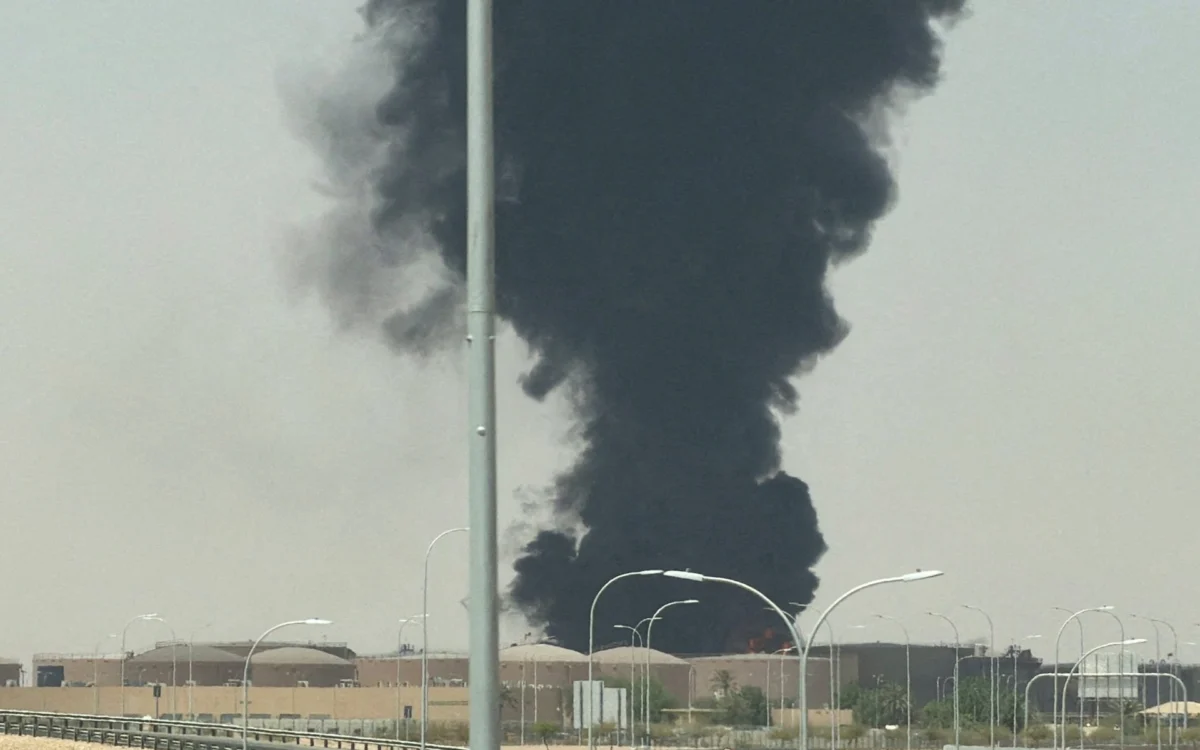
Russian strikes damaged six energy sites across Ukraine and left 33 people injured, BBC News reported. Ukraine’s grid operator Ukrenergo put electricity rationing into effect and reported outages in Kharkiv, Donetsk and Zaporizhzhia, while a Russian strike cut electricity in the city of Izyum. Russian attacks also hit western Ukrainian infrastructure and struck residential structures in Kyiv.
PBS NewsHour reported that a Russian drone strike on the village of Pisochyn in the Kharkiv district killed three people and injured nine others near grocery stores and apartments on Sunday evening. Al Jazeera reported that Ukrainian state energy firm Naftogaz sustained damage and a fire at gas production sites in the Kharkiv region following overnight attacks.
Why the refinery dispute matters
The disagreement centers on conflicting views over which facilities any pause should cover. Trump has criticized Ukrainian drone strikes against Russian oil refineries, arguing they have increased fuel costs before US midterm elections. On Friday, the administration moved to import Russian diesel to lower prices. Zelenskyy rejected Trump’s assessment, saying refinery strikes were not driving fuel costs and blaming disruptions in the Strait of Hormuz instead.
European officials also expressed doubts about whether Moscow intended to stop its attacks. European Union foreign policy chief Kaja Kallas said the bloc supported a halt to energy strikes but saw no indication Russia would honor one. French President Emmanuel Macron said at a Paris car show that he had not observed any energy pause from the Russian side over the previous 48 hours.
Moscow rejects pause as election debate grows
Moscow declined to confirm that it had accepted Trump’s proposal. Kremlin spokesman Dmitry Peskov did not confirm an agreement on Monday, saying only, “Contacts are ongoing.” Russian Foreign Minister Sergey Lavrov rejected the idea of a pause, stating that Ukraine did not deserve a respite.
The dispute extended to Trump’s weekend suggestion that Ukraine should replace Zelenskyy and hold presidential elections. Zelenskyy responded that only Ukrainian citizens have the power to replace their leader. He said he would prepare elections if Ukraine secured a ceasefire of at least 60 days to protect voters from drone and missile strikes. Peskov responded that Russian forces would pause attacks only on election day, asserting that Kyiv wanted a 60-day pause to regain strength.
What happens next
Zelenskyy said Ukraine is waiting to see what specific steps Washington takes to enforce the proposed agreement with Russia. He warned that if Moscow refuses an energy ceasefire ahead of winter, Ukrainian forces will resume retaliatory strikes on Russian facilities. In Brussels, the European Union approved nearly 1,600 new sanctions targeting Russia’s military-industrial complex.