
Activision disbanded its Guitar Hero business unit in February 2011 and canceled that year’s game, with around 500 jobs cut. Rock Band did not end there: its developer, Harmonix, kept it going, was acquired by Epic Games on November 23, 2021, and now makes Fortnite Festival. The short answer to the question most people are actually asking is yes, a plastic guitar still has somewhere to go. Fortnite Festival added support for Rock Band 4 guitar controllers on PlayStation, Xbox and PC. Rock Band 4 itself stopped receiving new downloadable songs on January 25, 2024 and was delisted from the PlayStation and Xbox stores in October 2025 as its music licenses reached their ten year mark.
The Two Franchises Are Not One Story
They are constantly written up as a single genre that rose and fell. They had different owners, different endings and different afterlives.
| Guitar Hero | Rock Band | |
|---|---|---|
| First release | November 2005, PlayStation 2 | November 2007 |
| Made by | Harmonix, published by RedOctane | Harmonix |
| Owner after 2006 | Activision, which bought RedOctane on June 6, 2006 | MTV Networks, then sold by Viacom in 2010 |
| The big ending | Business unit disbanded February 2011 | No single ending. Continued, with gaps |
| Last major attempt | Guitar Hero Live, 2015. Its GHTV service shut December 1, 2018 | Rock Band 4, 2015. Final DLC January 25, 2024, delisted October 2025 |
| Where the team is now | Dispersed | Harmonix, at Epic Games since November 23, 2021, making Fortnite Festival |
The confusing part is that Harmonix created both. It built Guitar Hero for RedOctane, then left to build Rock Band when Activision bought RedOctane, and it is the only continuous thread across twenty years of this genre.
How Big It Got, With a Number That Comes From a Filing
Activision completed its acquisition of RedOctane on June 6, 2006 at an accounting purchase price of $99.9 million including transaction costs, a figure disclosed in Activision’s own SEC filing and press release. The structure was $30.9 million in cash, about $30.0 million in stock, and $39.0 million payable in stock within two years, with an earnout of up to $51.0 million more if net income targets were met.
That is a solid, checkable number, which is why we lead with it. Larger lifetime franchise figures circulate widely for Guitar Hero. We could not attach them to a filing that isolates the franchise, so this page does not print them.
What is not in dispute is the shape of it. Between roughly 2007 and 2009 these games were among the best selling products in the industry, they were sold as boxed bundles with plastic instruments at the top of the retail price ladder, and they were bought by households that owned no other games.
Why It Collapsed, and It Was Not “People Got Bored”
Activision Publishing’s chief executive Eric Hirshberg gave the clearest public account when the unit was disbanded in February 2011. He said demand for peripheral based music games had declined “at a dramatic pace,” and that the company “simply cannot make these games profitably based on current economics.”
That last clause is the whole story, and it has four parts.
The peripheral was the product, and you only need one. A household that owns a guitar does not buy another one. Once the installed base was saturated, the high margin part of the bundle stopped selling, and the remaining sale was a disc.
The catalog cost real money every year. Every song is licensed. Publishers and labels have to be paid, deals expire, and the cost does not fall as the audience does. A shrinking rhythm game with a growing licensing bill has no path back to profit.
The release schedule was cannibalistic. Activision shipped an extraordinary number of Guitar Hero titles in a short period, including band specific editions. Each one split the audience and made the last one look disposable.
The living room stopped being the venue. These were party games that required a group in one room, at exactly the moment social play was moving to phones and to online voice.
Compare that with a franchise that survived a similar cliff by changing its business model rather than its hardware, which is what we describe in what happened to Angry Birds. Music games could not make that move, because the plastic was not optional.
The Plastic Peripheral Era, in One Sentence
Guitar Hero belongs to a specific commercial moment: the belief that households would keep buying a dedicated physical object for each new category of game.
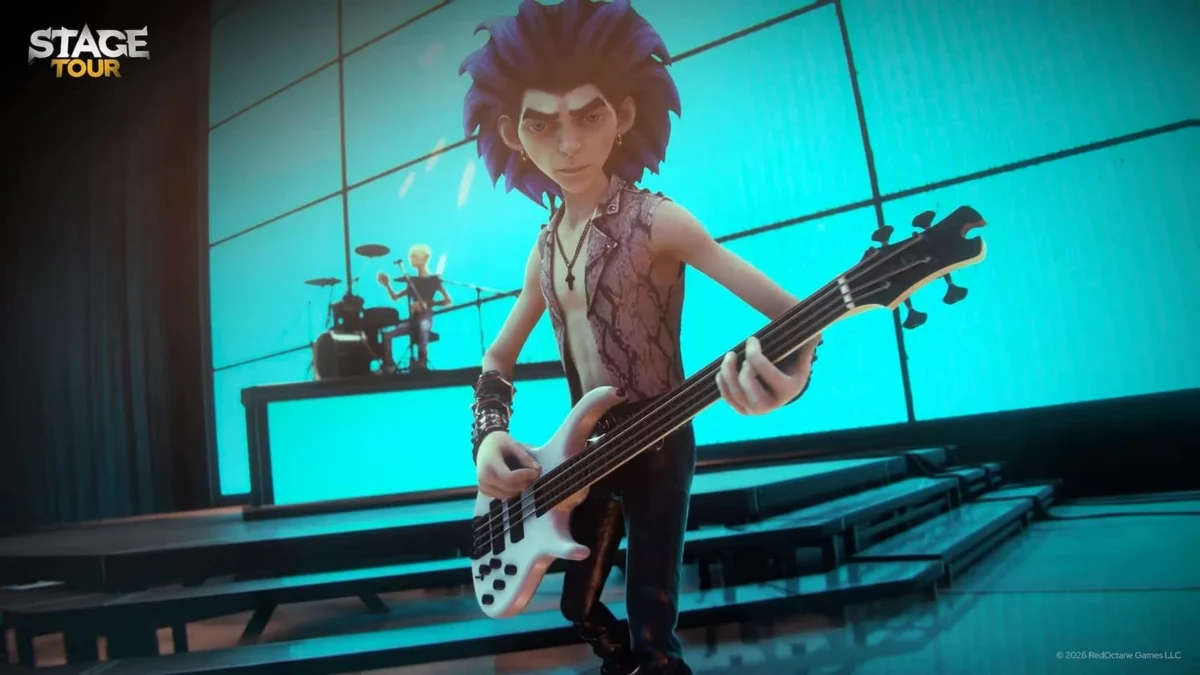
That belief produced the guitars, the drum kits, the balance boards, the dance mats and the depth cameras, and it ended for the same reason each time. The peripheral was expensive to make, expensive to ship, awkward to store, and useful for a narrow slice of a catalog that stopped growing. The best documented ending in that group is the one we cover in what happened to Kinect, and the same logic runs through the rest of the shelf in our roundup of the dead gadgets of the 2000s and 2010s.
Guitar Hero is the purest case because the peripheral was not an accessory. It was the game.
Guitar Hero’s Second Death
Activision was careful in 2011 to say the franchise was on hiatus rather than canceled, and it did come back.
Guitar Hero Live launched in 2015, developed by FreeStyleGames, with a redesigned six button controller and a streaming channel called Guitar Hero TV that served songs from an online catalog instead of a disc.
That design decision is what dated it fastest. On December 1, 2018 Activision shut down the GHTV servers, and Activision’s own support page documents the sunset. Everything in that mode became unplayable. The songs that came on the disc still work; the streaming catalog does not.
There is a general lesson in that and it applies far beyond music games. A game whose content lives on a server has an expiry date set by whoever pays for the server, and licensed music makes that date arrive sooner, because the licenses expire on their own schedule.
Rock Band Kept Going, Quietly
Harmonix took a different path and it is the more interesting half of the story.
![Activision PlayStation 2 Rock Band [JP]](https://cdn.newsworldinside.com/images/2026/09/rock-band-activision.webp)
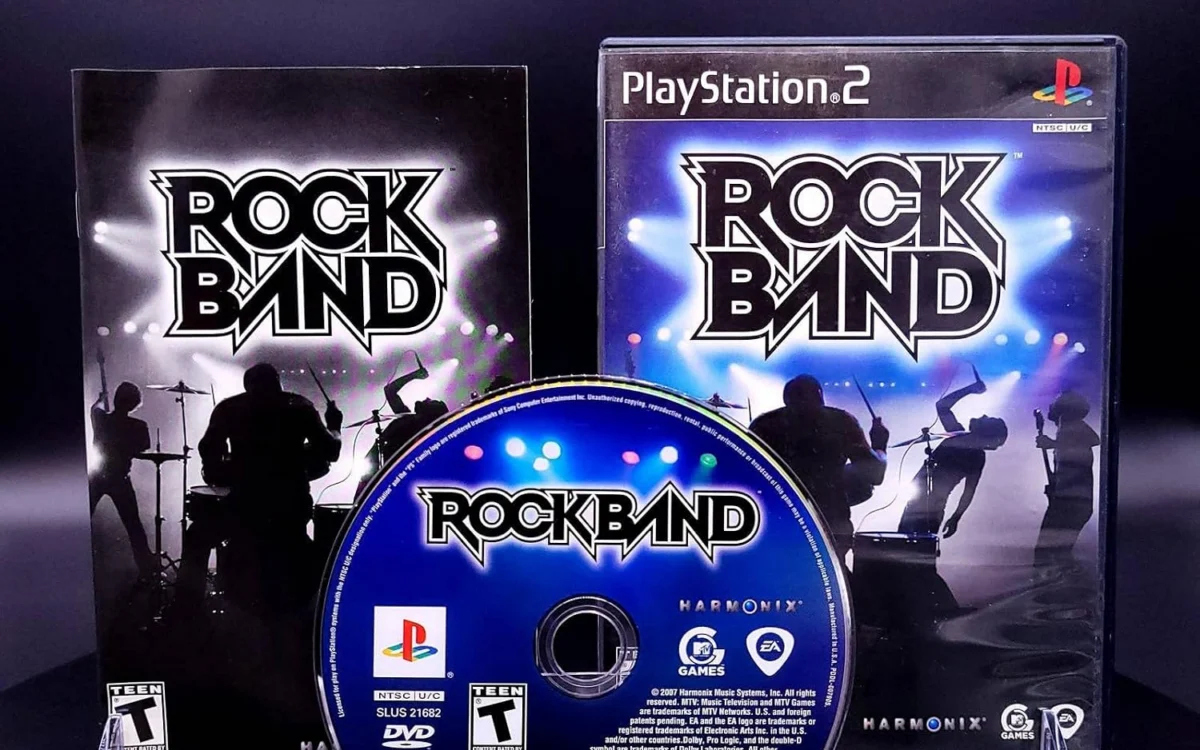
Viacom sold the studio in 2010. Harmonix continued Rock Band independently, released Rock Band 4 in 2015, and then did something almost unheard of in this industry: it kept releasing new downloadable songs, weekly, for more than eight years.
Harmonix published a post titled “An Update on Rock Band 4 DLC” confirming that January 25, 2024 would be the last day of DLC releases, while stating that existing online services, Rivals seasons, online play and access to already purchased content were unaffected.
Then in October 2025, Rock Band 4 was delisted from the PlayStation and Xbox digital stores, as its music licenses reached the ten year anniversary of the game’s release. Owners keep the game and the songs they bought. Nobody new can buy it.
That is a specific and underappreciated fate. Rock Band 4 was not shut down and was not a failure. It was removed from sale because the paperwork under it ran out, which is a form of ending that only affects licensed content and that most players never think about until it happens.
Harmonix itself was acquired by Epic Games on November 23, 2021.
So Can You Still Play With the Plastic Guitar?
This is the actual query behind most searches on this subject, so here it is directly, checked September 7, 2026.
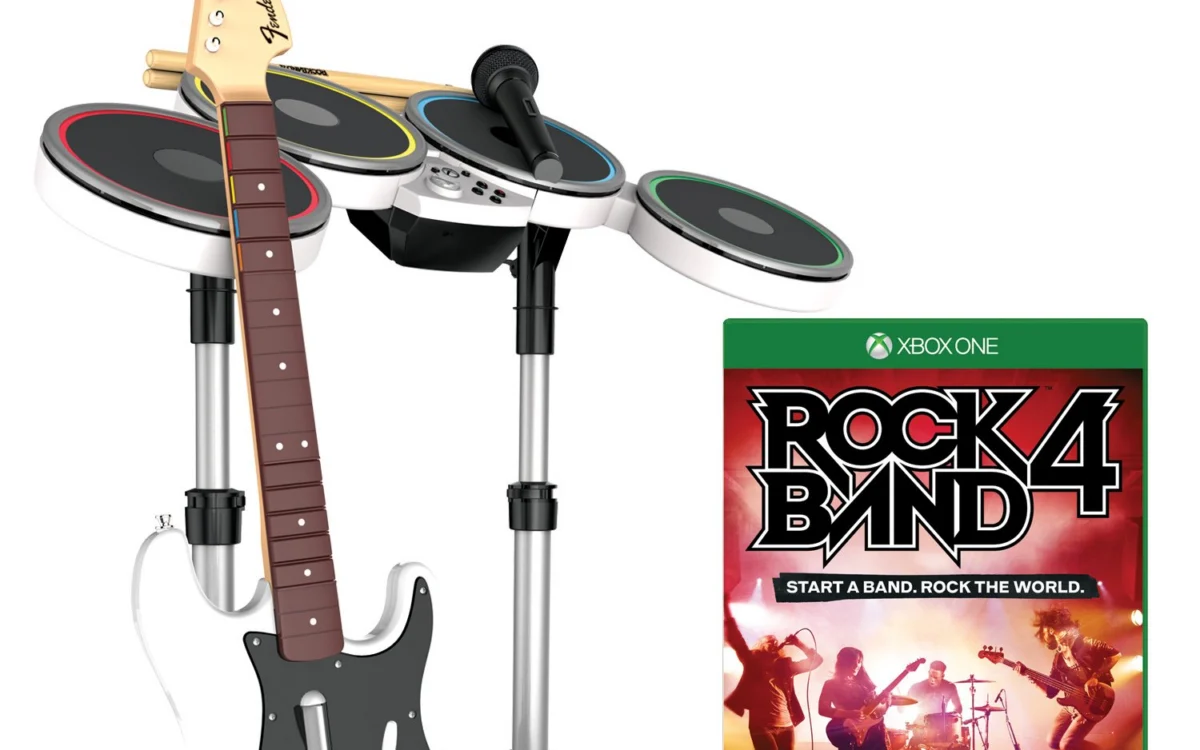
Fortnite Festival supports Rock Band 4 guitar controllers. Harmonix, now at Epic, built Fortnite Festival, which launched in December 2023. Guitar controller support arrived in a later season and covers Rock Band 4 guitars on PlayStation, Xbox and PC, along with the PDP Riffmaster, a wireless guitar controller made after the fact for those platforms. This is the officially supported route and it is the reason the genre is not actually dead.
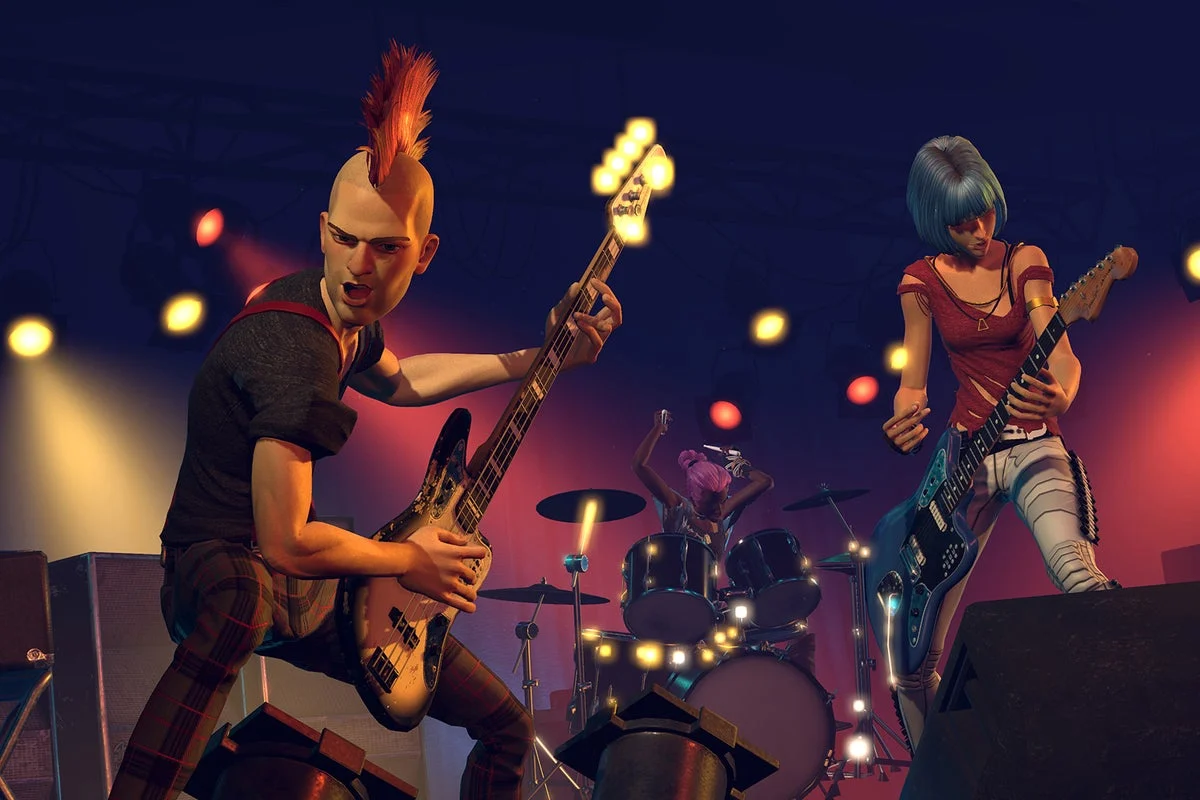
Rock Band 4 still runs if you own it. Harmonix’s own January 2024 post said online services remained in place. We did not verify a live server connection on the day of writing, so treat that as the company’s stated position rather than as a check we performed.
Guitar Hero Live’s on disc songs work; GHTV does not. The streaming half has been off since December 1, 2018.
Older Guitar Hero and Rock Band discs work on the consoles they were made for. They are not online dependent in the way GHTV was. Whether a specific wireless controller pairs with a specific console generation is a hardware question that varies by model, and this page does not give buying, grading or resale guidance of any kind.
The honest summary: the plastic guitar has a supported home again, for the first time in about a decade, and it is inside a free to play battle royale game. That is not where anyone expected this to land in 2009.
The Part That Actually Ended
If the genre has a home again, what died?
The boxed bundle died. Nobody ships a large cardboard box with plastic instruments inside it as a mainstream retail product any more.
The permanent catalog died. Rock Band’s model, buying songs and keeping them in a library that grows over years, ran into music licensing and lost. Rock Band 4’s delisting in October 2025 is that collision in its clearest form.
The idea that you own the songs died with it. Buying a track and keeping it was the assumption of the whole era, and it changed everywhere, not just in games. We trace that shift in what happened to MP3 players, and music games are simply where it became visible fastest, because a licensed song in a game has a contract behind it that a file on a hard drive never did.
FAQ
When did Guitar Hero end?
Activision disbanded its Guitar Hero business unit and canceled the 2011 game in February 2011, cutting around 500 jobs. Activision described it as a hiatus rather than a cancellation, and the franchise returned once, with Guitar Hero Live in 2015.
Why did Guitar Hero fail?
Activision’s publishing chief Eric Hirshberg said at the time that demand for peripheral based music games had declined at a dramatic pace and that the games could not be made profitably on the economics of the day. The underlying problems were a one time hardware sale, recurring music licensing costs, too many releases too quickly, and social play moving off the living room television.
Is Rock Band dead?
Not exactly. Rock Band 4 stopped receiving new downloadable songs on January 25, 2024 and was delisted from the PlayStation and Xbox stores in October 2025 when its music licenses reached ten years. People who already own it keep the game and their purchased songs.
What happened to Harmonix?
Harmonix created both Guitar Hero and Rock Band. It was acquired by Epic Games on November 23, 2021 and now develops Fortnite Festival.
Can I use my old Rock Band guitar today?
Yes, within limits. Fortnite Festival added guitar controller support covering Rock Band 4 guitars on PlayStation, Xbox and PC, and the PDP Riffmaster works with it. Compatibility depends on the specific controller and console generation.
What happened to Guitar Hero TV?
Activision shut down the GHTV servers on December 1, 2018 and documents the sunset on its own support site. The streamed catalog is gone. Songs included on the Guitar Hero Live disc still play.
The Short Version
- Guitar Hero: November 2005 to February 2011, with a 2015 revival that lost its online half on December 1, 2018.
- Activision bought RedOctane for $99.9 million, completed June 6, 2006, per its own SEC filing.
- The stated cause of death was economics, in Activision’s own words, not a loss of interest alone.
- Rock Band ran far longer. Final DLC January 25, 2024, delisted October 2025 when the music licenses hit ten years.
- Harmonix went to Epic Games on November 23, 2021 and built Fortnite Festival.
- Your guitar has a supported home again. Checked September 7, 2026.