
Short answer: Apple discontinued the last iPod, the iPod touch, on May 10, 2022, saying it would remain available while supplies lasted. That was the end of a product line Apple had already been closing for years: the iPod classic was removed in September 2014, and the iPod nano and iPod shuffle were both discontinued in July 2017. The cause in every case was the same. The iPhone did the iPod’s job, and by 2022 there was no version of the iPod left that the iPhone did not also cover. Apple’s own statement said the spirit of the iPod lives on across its other products.
The interesting part is not that Apple ended it. The iPhone made that decision in 2007. The interesting part is that it took another fifteen years to finish.
What the iPod actually was
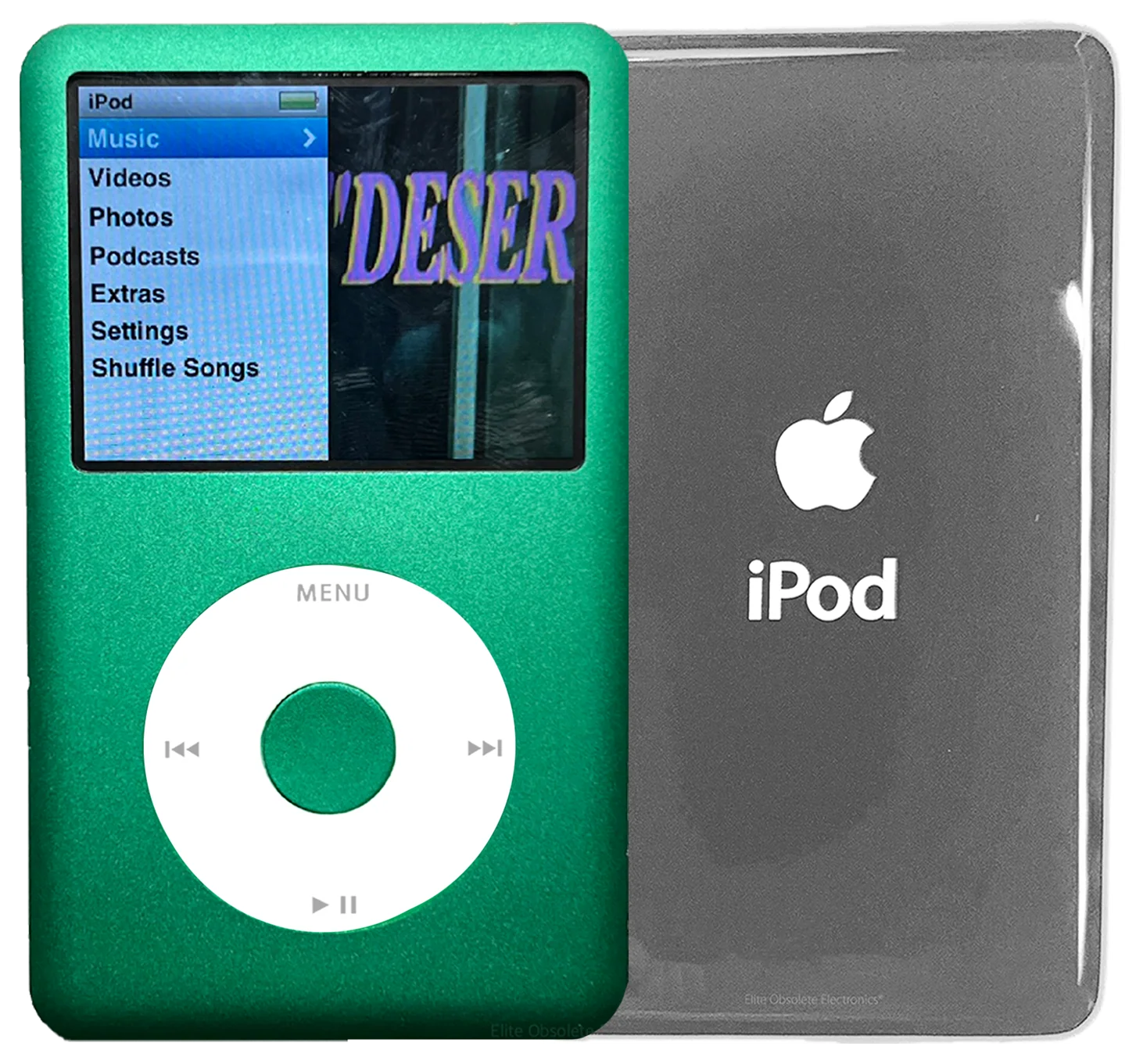
For anyone who came to music through a phone, the iPod is easy to misunderstand. It was not an internet device. The original, announced on October 23, 2001, had no wireless connection of any kind. It held music you had already put on it, transferred from a computer over a cable, and it did nothing else.
That was the entire proposition, and at the time it was a large one. The alternative was a portable CD player holding one album, or an early flash player holding a handful of tracks. The iPod held a library. You stopped choosing what to bring with you.
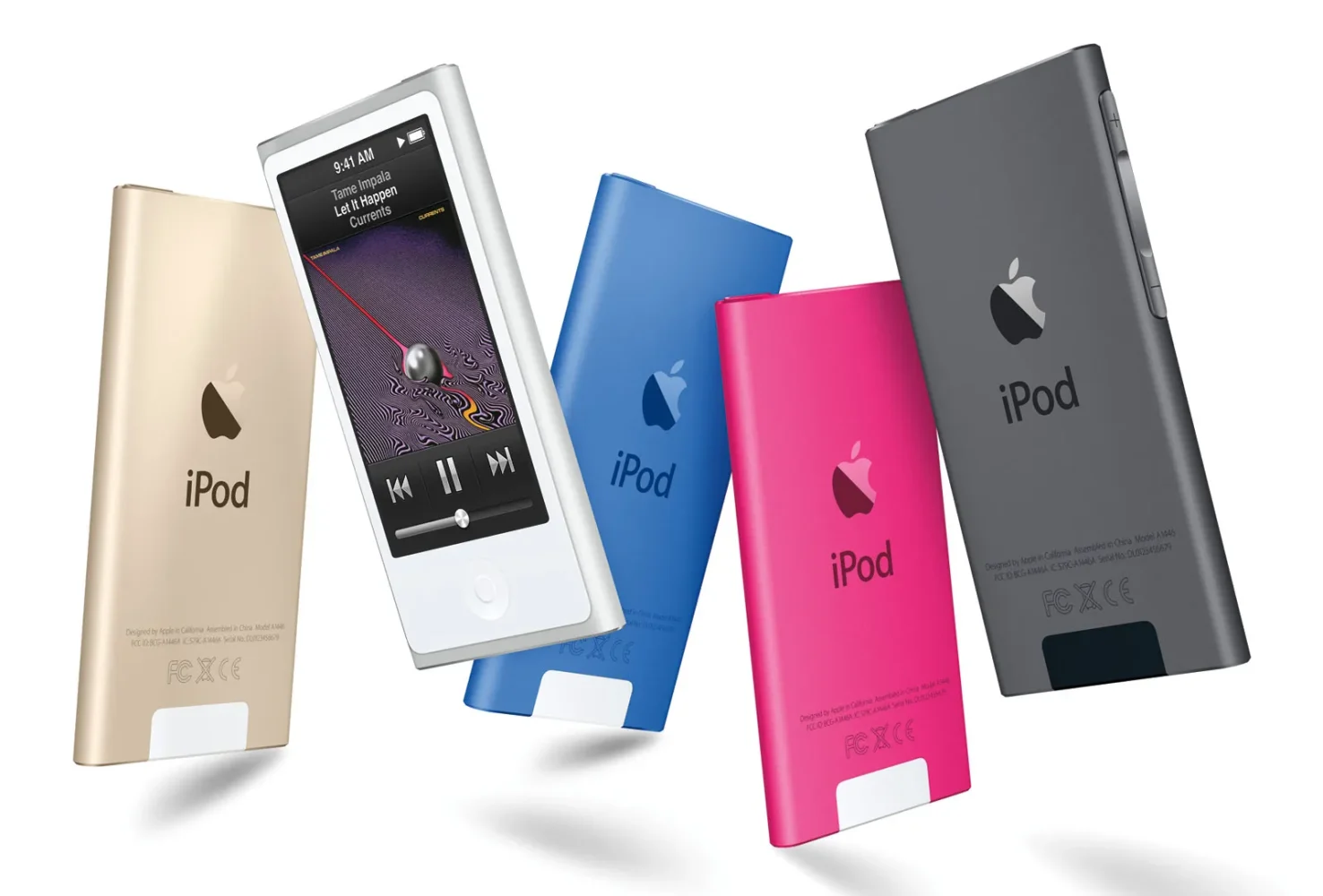
Over the following decade the line split into several products with different jobs. The classic was the big-storage hard-drive model for people with large libraries. The nano was the small flash model. The shuffle was the tiny screenless clip. And the touch, introduced in 2007 alongside the iPhone, was effectively an iPhone without the phone.
2007: the iPhone decided it, and then nothing happened for seven years
The iPhone shipped in June 2007. It was a phone, an internet device and an iPod in one object, and Apple said so explicitly in the launch presentation. From that moment the standalone music player was a product category with a countdown running.
Apple did not act on it quickly, and the reason is worth understanding. In 2007 a smartphone was expensive, required a contract, and had storage measured in single-digit gigabytes. An iPod classic held far more music than any phone, cost less, and needed no carrier relationship at all. For several years the two products genuinely served different people.
The iPod also had a role Apple rarely stated out loud. The iPod touch was the cheapest way into iOS. For a teenager without a phone contract, for a household that wanted an app device without another phone bill, and for developers who wanted a cheap test unit, the touch was the entry point. That role kept it alive long after music playback had stopped being a reason to buy anything.
2014: the iPod classic goes quietly
The classic was the last iPod with a hard drive and the last with the original click wheel. Apple removed it from sale in September 2014, in the same week as an iPhone launch, without a separate announcement.
The absence of an announcement was the announcement. A spinning hard disk in a pocket device had become an anachronism, the parts were getting harder to source, and the product it existed for, an enormous offline library, was being replaced by streaming. Apple Music arrived the following year.
2017: the nano and the shuffle
Apple discontinued the iPod nano and the iPod shuffle in July 2017, leaving the touch as the only model.
Both of these had been squeezed from two directions at once. Below them, cheap wireless earbuds and phones had made a separate tiny music device unnecessary for most people. Above them, the Apple Watch had taken over the specific use case the nano and shuffle were best at, which was carrying music while exercising without a phone. The nano had even been sold with watch straps at one point, which in hindsight reads as a rehearsal.
That crossover from small music player to wrist computer is a category story in its own right, and it is covered from the other direction in what happened to Pebble, the smartwatch that got there before Apple did.
2022: the iPod touch and the end of the brand
On May 10, 2022, Apple announced that the iPod touch would be available while supplies lasted, which is the phrasing Apple uses when a product is finished. The model on sale at the time had been introduced in 2019 and had not been updated since.
Every reason for the touch’s existence had eroded. Streaming had made a local library optional. The cheapest iPhone had come down in price and the iPad had taken the family app-device role. There was no longer a job the touch did that another Apple product did not do better.
With it, the iPod brand ended after twenty-one years.
Why it took twenty-one years
Three things kept it going long past the point where its original purpose was gone.
It kept finding new jobs. Music player, then exercise device, then cheap iOS entry point. Each transition bought years.
It was cheap to keep selling. The engineering was done, the manufacturing was mature, and the models that survived longest went years between updates. A product that costs almost nothing to keep on the shelf does not have to sell well to justify itself.
Apple was not in a hurry. The iPhone had already absorbed the revenue. Ending the iPod earlier would have gained Apple nothing and removed an entry point into its ecosystem, so the line was allowed to thin out one model at a time rather than being closed in a single announcement.
This is the ordinary way a category ends, and it is worth noticing because the dramatic version is more commonly told. Compare it with what happened to BlackBerry phones, where a platform did collapse fast, or with why netbooks disappeared, where an entire product class arrived and vanished inside about five years. The iPod is the slow case: absorbed rather than beaten.
Does an old iPod still work in 2026?
For the models without an internet connection, largely yes, with two known limits.
An iPod classic, nano or shuffle does not depend on Apple’s servers for anything. It plays what is on it. The two things that fail with age are physical: the lithium battery, which loses capacity whether the device is used or not, and on the classic the mechanical hard drive, which has moving parts. Neither is a service being switched off. It is hardware getting old.
The iPod touch is different, because it is an iOS device. It only receives the software updates Apple still issues for its hardware generation, and once that stops, apps that require a newer version of iOS stop installing and some services stop connecting. The device continues to work; what it can reach shrinks. Which generation you have determines where that line falls, and Apple publishes the supported versions for each model.
The one genuinely unresolved area is the older library itself. Music bought from the iTunes Store in the first few years was sold with digital rights management attached, and Apple later moved its catalog to unprotected files. That transition is a piece of industry history in its own right and it belongs to a separate article in this cluster on what happened to buying and owning digital music.
What this site does not cover, deliberately, is what an old iPod is worth or where to buy or sell one. That is a different question with a different set of risks, and it is not ours.
What the iPod actually ended
It is easy to read the iPod’s discontinuation as the end of a gadget. It was the end of something larger, and the timing is a coincidence worth noting: Apple closed the iPod in the same decade that the thing the iPod was built for, a library of files you owned and carried, stopped being how most people listened to music at all.
The device that replaced the iPod was not another music player. It was a subscription. The iPod was discontinued because the problem it solved, carrying your music with you, had been solved so completely by other means that nobody needed a dedicated object for it.
That is the most common ending in this whole cluster, and the least dramatic one. The full set is indexed in the dead gadgets of the 2000s and 2010s.
A note on the sales figures
You will see lifetime iPod sales totals quoted confidently in a lot of retrospectives, usually as a round number in the hundreds of millions. Treat them carefully. Apple reported iPod unit sales in its quarterly results only up to fiscal 2014 and stopped breaking the line out after that, so every lifetime total in circulation is an estimate built on a chosen cutoff and an assumption about the years that follow. The commonly repeated figures do not agree with each other, which is the giveaway. This article states dates and corporate actions, both of which are documented, and leaves the totals to whoever can source them.