
Short answer: The netbook was a small, cheap, deliberately underpowered laptop that appeared with the Asus Eee PC in October 2007, became the fastest-growing part of the computer market within two years, and was effectively finished by the end of 2012 when Asus wound the Eee PC line down. The iPad usually gets the credit for killing it, and it did take a large share of the blame, but the more important cause is less famous: Microsoft and Intel set licensing and processor terms that capped how good a netbook was allowed to be, so that netbooks would not eat sales of proper laptops. A category that is not permitted to improve loses to competitors that have no such limit.
What replaced it was not one thing. It split three ways, and one of those three is now sitting on desks in most schools in the United States.
What a netbook actually was
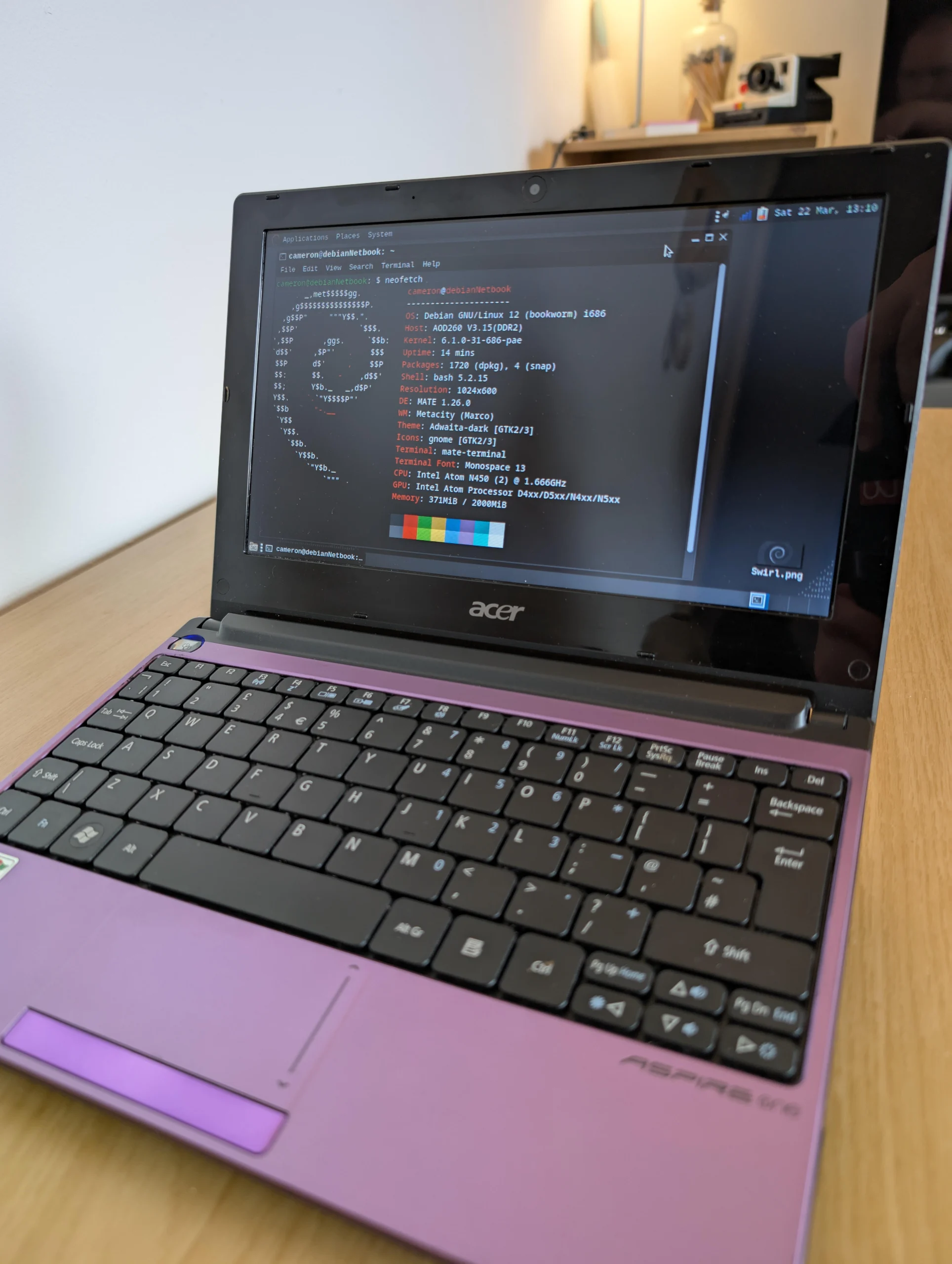
A netbook was a laptop with a screen of roughly seven to ten inches, a cramped keyboard, a low-power processor, a small amount of memory and a small amount of storage, sold for a few hundred dollars at a time when a normal laptop cost considerably more.
The name tells you the intended purpose. It was for the net. The pitch was that most of what people did on a computer had moved into a web browser, so a machine that ran a browser well and did little else would cover it. Email, web, a bit of writing, some photos.
The first ones ran Linux, because a cheap machine could not carry a Windows license and Windows Vista was far too heavy for the hardware anyway. Microsoft responded by keeping Windows XP available for netbooks well past the point where it had otherwise been retired, which is the first sign of how much this category disturbed the existing arrangement.
2007: the Asus Eee PC starts a category by accident
Asus launched the Eee PC in October 2007. It had a seven-inch screen, a solid-state drive measured in single-digit gigabytes, and a Linux desktop, and it cost a fraction of a laptop.
It was not obviously going to work. Reviewers were unsure who it was for. It sold anyway, and it sold to people the industry had not been serving: students, travelers, people who wanted a second machine they would not mind losing, and a large number of people who simply did not want to spend a thousand dollars on something they used for Facebook.
Within a year every major manufacturer had one. Acer, HP, Dell, Lenovo, Samsung and MSI all shipped netbooks. Intel built a processor line, the Atom, specifically for them.
The two years when netbooks were the only growth in computing
Between roughly 2008 and 2010, netbooks were the part of the computer market that was expanding while everything else was flat. That is a rare position, and it made them strategically important out of proportion to their revenue, because each one sold was cheap and the margins were thin.
That combination, high volume and low margin, is exactly what made the rest of the industry nervous. A customer buying a $300 netbook instead of an $800 laptop is a customer generating far less money for Intel, for Microsoft and for the manufacturer. The category was growing by taking sales from more profitable products.
Why netbooks were not allowed to get better
This is the part that most retrospectives leave out, and it explains the shape of what followed.
Microsoft’s licensing for netbooks came with conditions. To get the cheap version of Windows, a manufacturer had to keep the machine within defined limits, including screen size and memory. Windows 7 Starter, the version that shipped on many netbooks, had features removed and carried restrictions on the hardware it could be sold with, and Microsoft’s terms discouraged machines with screens above roughly ten inches.
Intel’s Atom processors were segmented in a similar spirit. They were cheap and low-power, and they were also kept clearly below the mainstream laptop line in capability. Chipset pairings and platform rules limited what a manufacturer could build around them.
The intent was rational from both companies’ point of view: keep the cheap category cheap so it stays a second machine and does not cannibalize the first one. The effect was that netbooks stayed slow and small while the rest of the market moved. By 2010 a netbook was not noticeably better than a netbook from 2008, at a moment when phones and tablets were improving every year.
Microsoft’s habit of shaping a category through licensing rather than through products shows up elsewhere in this cluster too, most expensively in what happened to Windows Phone, where the company spent billions trying to buy its way into a market it had arrived at late.
April 2010: the iPad
Apple released the iPad in April 2010, and it landed squarely on the netbook’s actual use case.
The netbook’s honest job description was: a cheap thing for browsing on the sofa, in bed, on a train. The iPad did that better in almost every respect that mattered to a casual user. It started instantly, the battery lasted all day, it was silent, it did not get hot, and it was pleasant to hold. The netbook’s advantage was a keyboard and a real file system, which mattered enormously to some people and not at all to most.
Note that Steve Jobs had made this argument publicly before the iPad existed, dismissing netbooks as not better at anything. That framing was self-serving, and it was also broadly correct for the segment Apple was aiming at.
The iPad also finished off the standalone media player in the same movement, which is part of the longer story in why Apple discontinued the iPod.
2011: ultrabooks and Chromebooks, from opposite directions
Two more competitors arrived in 2011, and between them they took the netbook’s remaining ground.
Intel announced the Ultrabook category in 2011: thin, light, solid-state, properly powered laptops. This was Intel effectively conceding that the small cheap machine had found real demand and choosing to serve it with something expensive instead. Ultrabooks cost several times what a netbook cost, and they were vastly better, and enough buyers moved up.
Google and its partners shipped the first Chromebooks in 2011. A Chromebook is, on paper, the netbook idea done properly: a cheap laptop that runs a browser. The difference is that it was designed as a browser machine from the start rather than being a full desktop system squeezed onto hardware that could not run it. It boots fast, updates itself, and does not degrade the way a Windows netbook did after a year of use.
That distinction is why Chromebooks succeeded where netbooks did not. The netbook ran a full operating system badly. The Chromebook runs a small operating system well.
2012 to 2013: the category closes
Asus wound the Eee PC line down at the end of 2012, and by early 2013 the netbook was over as a product category. The other manufacturers had already moved their cheap-laptop attention to ultrabooks or to Chromebooks.
There was no single announcement, because there was no single owner. A category invented by accident ended the same way, with each manufacturer quietly stopping.
So what actually replaced the netbook?
The reader’s version of this question is usually “was it the Chromebook,” and the accurate answer is that the netbook’s job split three ways.
The tablet took the consumption use case. Browsing, video, reading, casual games. This was the largest share of what netbooks were actually used for.
The Chromebook took the cheap-keyboard use case, and took it comprehensively. It is now the standard machine in a great many schools, particularly in the United States, which is precisely the market netbooks were selling into when they were growing fastest.
The cheap thin laptop absorbed the rest. The thing that killed the netbook’s price advantage in the end was components getting cheaper. A low-end laptop today has a proper screen, solid-state storage and a processor that does not struggle, at a price that in real terms is not far from what a netbook cost. The reason nobody makes a deliberately underpowered small laptop any more is that there is no longer any money to be saved by making one.
That last point is the quiet ending of the story. The netbook did not lose. It stopped being necessary, because the compromise it existed to make no longer had to be made.
Does an old netbook still do anything?
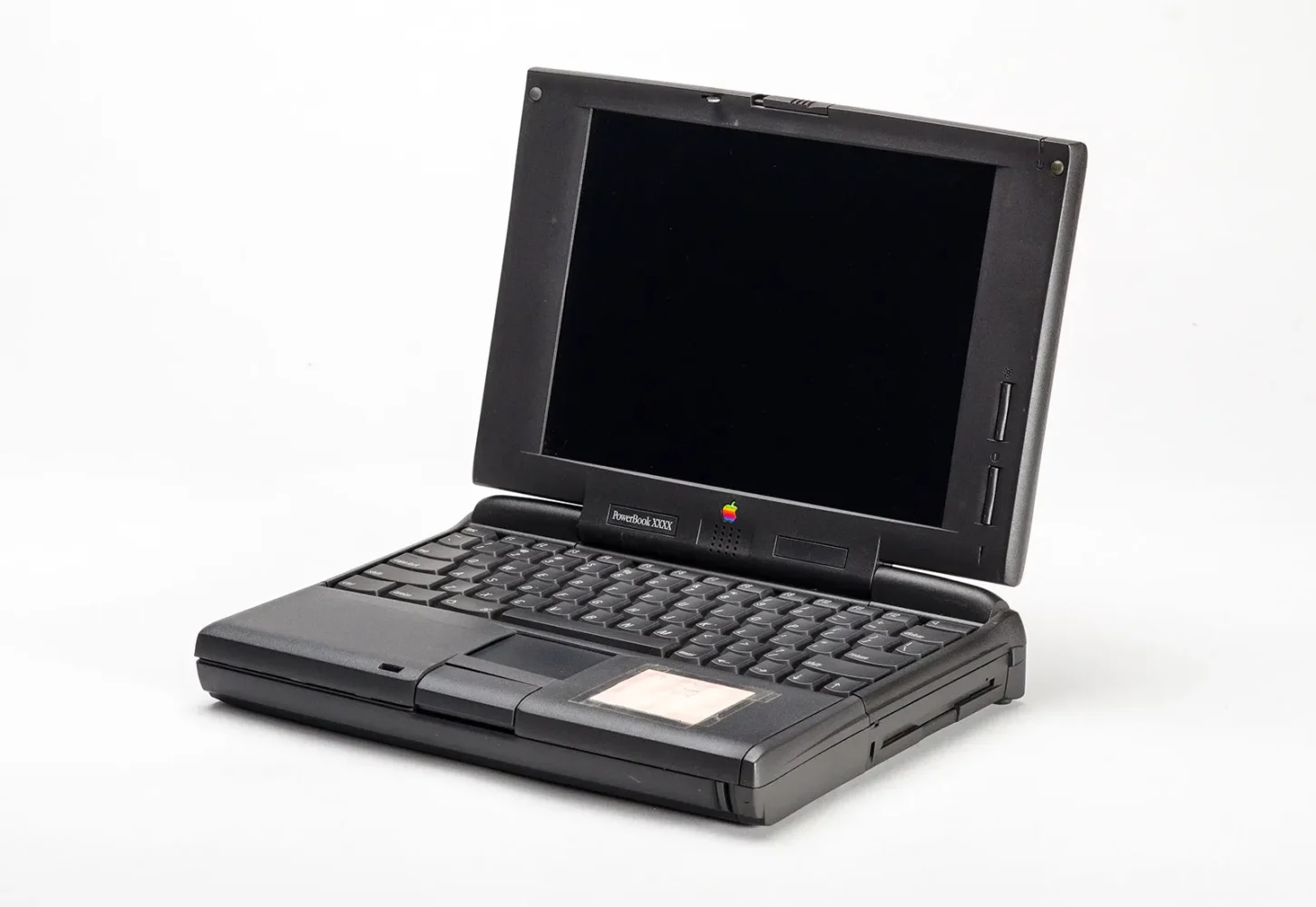
The hardware usually still runs. What has changed is what the software can reach.
A netbook shipped with Windows XP or Windows 7 Starter is running an operating system that has been out of support for years, and modern browsers no longer install on it. That is the practical limit: not that the machine is slow, but that the current web assumes a browser the machine cannot run. Storage, if it is one of the early solid-state models, is likely to be smaller than a single modern application.
The common outcome for these machines is that they end up running a lightweight Linux distribution, which is where the category started, or serving as a dedicated single-purpose device on a home network. Neither of those is a service being switched off by a company. It is simply an old computer.
What an old netbook is worth, or where to buy or sell one, is a different question and not one this site covers.
The full index of the era’s discontinued hardware, grouped by what actually ended each category, is at the dead gadgets of the 2000s and 2010s. For another case where an entire category was pushed hard by manufacturers and then dropped within a few years, see why 3D TVs failed.