
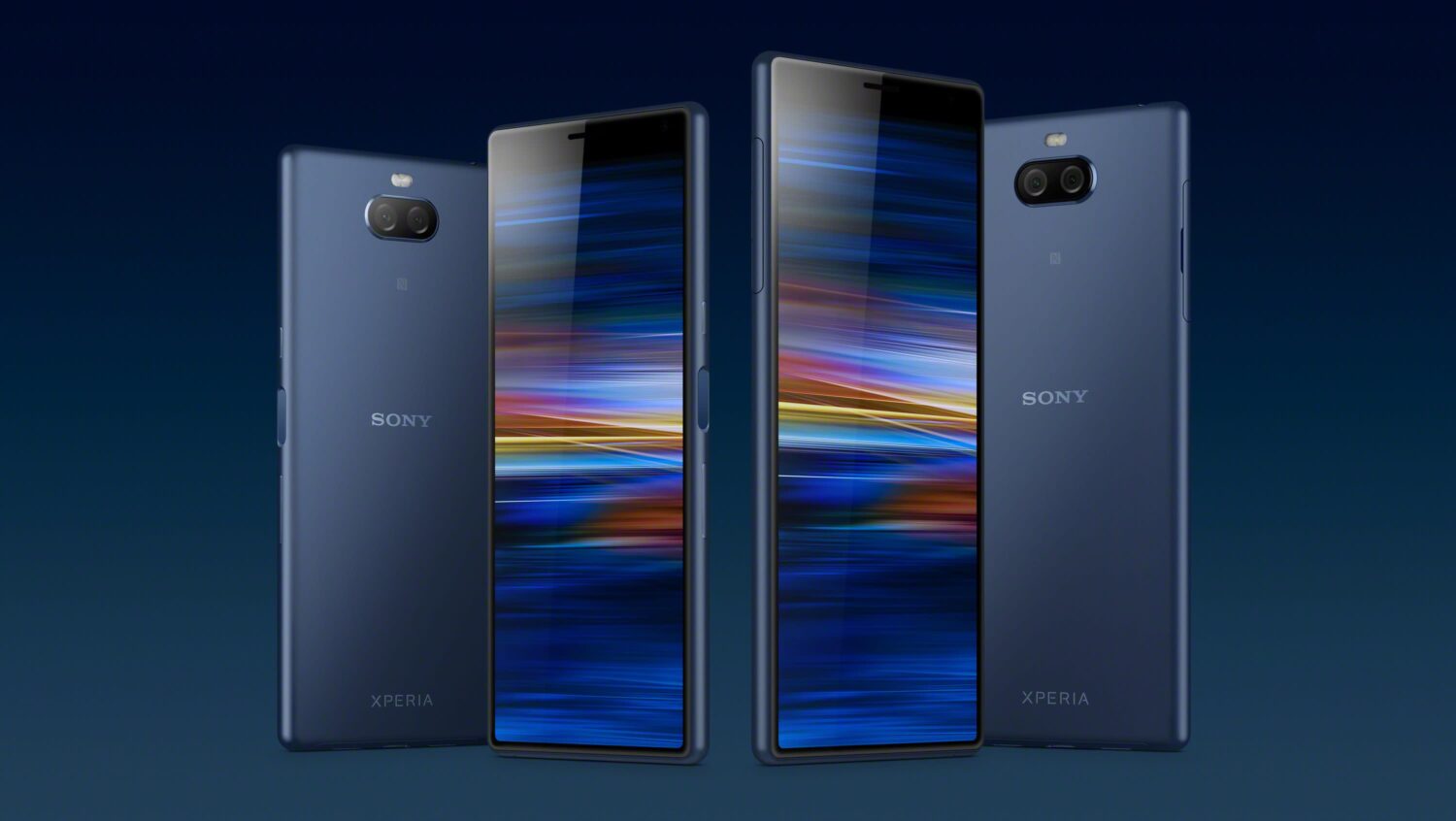
Short answer: Sony Xperia phones did not disappear. Sony deliberately shrank the business, from a mass-market contender chasing Samsung and Apple into a small, defended niche for camera and audio enthusiasts. It wrote off more than a billion dollars of its mobile division in 2014, cut thousands of jobs, and by 2019 had pulled out of most of the world’s markets. In May 2025 it stopped manufacturing Xperia hardware itself, outsourcing production for the first time. Sony’s own CFO confirmed at the company’s August 2025 results briefing that the smartphone business continues. This is a retreat, not a death.
Timeline at a glance
- 2001: Sony Ericsson forms as a 50/50 joint venture with Ericsson
- February 15, 2012: Sony buys out Ericsson, renames the unit Sony Mobile Communications
- Q3 2012: Sony ranks third worldwide in smartphone shipments, its commercial peak, per IDC data
- October 31, 2014: Sony reports a roughly $1.5-1.6 billion writedown of the mobile division
- February 2015: Sony cuts roughly 2,100 more mobile-division jobs
- May 2019: Sony narrows its serious sales focus to Japan, Taiwan/Hong Kong and Europe
- May 2025: Sony stops manufacturing Xperia hardware itself; the Xperia 1 VII launches without a US or Canada release
- August 7, 2025: Sony’s CFO tells investors the smartphone business continues
From Sony Ericsson to Xperia: how big it actually got
The Xperia name traces back to a joint venture, not a Sony product. Sony Ericsson launched in 2001 as a 50/50 partnership between the Japanese electronics giant and the Swedish telecom company, and it spent most of the 2000s making unremarkable feature phones. Sony bought out Ericsson’s half of the venture for €1.05 billion, and the deal closed on February 15, 2012, as reported by Engadget, turning the joint venture into a wholly owned subsidiary renamed Sony Mobile Communications.
The Xperia brand’s best commercial moment came almost immediately afterward. In the third quarter of 2012, Sony ranked third worldwide in smartphone shipments, behind only Samsung and Apple, up from sixth place a year earlier, with 4.8 percent global market share (down slightly from 5 percent in Q3 2011), according to IDC data reported by AfterDawn. That was the high-water mark. Sony was never again a top-three global smartphone maker, and rivals it had briefly passed, including LG and a fast-rising set of Chinese manufacturers, moved past it within a couple of years.
The financial reckoning: 2014
The peak did not last because volume never turned into profit. In its fiscal second-quarter 2014 results (covering July through September), announced on October 31, 2014, Sony recorded a roughly $1.5 to $1.6 billion impairment charge against the goodwill in its Mobile Communications segment, a writedown that contributed to a loss of well over a billion dollars for the division that quarter, as reported by TechCrunch and PCWorld. In the same announcement, Sony cut its full-year smartphone sales target again, the second cut that year. A business that had briefly out-shipped LG two years earlier was now being written down as a loss.
The writedown was not a one-time accounting event. It was the moment Sony’s own finance department stopped pretending the mobile division would grow into its cost base.
2015 to 2019: layoffs, then a map that keeps getting smaller
Restructuring followed the writedown on a predictable schedule. Sony had already cut around 1,000 jobs in the mobile unit between 2012 and 2013 as part of an earlier efficiency push. After the 2014 writedown, the cuts went deeper: Sony announced in February 2015 that it would reduce its mobile workforce by roughly 2,100 additional positions, taking the division down toward about 5,000 employees, as reported at the time by industry outlets covering the restructuring.
Headcount was only half the story. Geography was the other half, and it shrank on a longer, quieter timeline. By May 2019, Sony had narrowed its serious sales and marketing effort to three regions: Japan, Taiwan and Hong Kong, and Europe, effectively defocusing Southeast Asia, South Asia, the Middle East, Oceania, Africa and South America, as reported by SoyaCincau and Android Authority. Sony kept a foothold in China rather than a full exit, but the direction was the same everywhere: fewer markets, fewer models, lower volume, on purpose. This is the part of the story that separates Xperia from a device that actually died. Nobody switched it off. Sony simply stopped trying to sell it to most of the planet.
2025: Sony stops even building the phones itself
The most recent and most telling change happened quietly. Around May 30, 2025, a Japanese-language report picked up by GSMArena and 9to5Google found that Sony had removed “smartphones” from its own manufacturing-focused websites in Thailand and China, and that its newest flagship, the Xperia 1 VII, was being built by a third-party contractor rather than Sony’s internal production lines for the first time. Sony had long outsourced its mid-range devices; this marked the first time a flagship Xperia was made the same way.
The Xperia 1 VII, unveiled May 13, 2025, also confirmed how narrow the map had become. It launched in Japan, Europe and the UK, with the United States and Canada left out entirely, as reported by PetaPixel. Americans who wanted one could only import it through Sony’s own online store, starting July 1, 2025, with no carrier certification, no bundled plan and no subsidized price, as reported by Notebookcheck. Then quality problems compounded the retreat: Sony halted sales and shipments of the Xperia 1 VII in Japan, and later in Taiwan and Hong Kong, after reports that some units were spontaneously resetting and failing to turn back on, as reported by GSMArena. Even Sony’s remaining core markets got smaller through 2025 and into 2026, with Sony pulling Xperia out of some European countries entirely and limiting sales elsewhere to its own online store and Amazon rather than local retail partners, as reported by GSMArena and Notebookcheck.
None of this is a rounding error. It is a company visibly deciding, market by market, which countries are still worth the cost of selling a phone in.
The numbers behind the retreat
Sony’s own recent performance backs up what the market withdrawals suggest. Sales for Sony’s smartphone business fell 40 percent in 2023 compared with the year before, as reported by Bloomberg, citing IDC analyst Masafumi Inbe. In Sony’s home market of Japan, where the brand still has its strongest relative position, Sony sells roughly 1 million phones a year into a domestic market of about 30 million units, putting its own share of the Japanese smartphone market at around 3.3 percent, per the same IDC analysis reported by Bloomberg. Outside Japan, Xperia’s presence in national sales-tracking data is small enough that most quarterly market-share reports from IDC, Counterpoint and Canalys do not list Sony by name at all; it falls into the “others” category alongside dozens of smaller brands.
Why Sony hasn’t walked away entirely
This is the question the retreat leaves hanging, and it is the part most coverage skips past on its way to the next quarterly news item. If Xperia loses money and cannot compete at scale, why does a company as disciplined about profitability as Sony keep making it?
Sony has answered this question directly, rather than leaving it to speculation. At the company’s own quarterly results briefing on August 7, 2025, Sony Group CFO Lin Tao told analysts that “the smartphone business itself is an extremely important business for us” and that Sony intends to continue growing it, as reported by Android Authority. Tao’s stated reasoning was not about phone sales volume. It was about what the phone division does for the rest of Sony: smartphone technologies, in Tao’s framing, have applications that extend well beyond the phone itself.
That framing lines up with how Sony’s mobile business actually behaves next to its other divisions. Sony is the leading global supplier of smartphone camera image sensors, with roughly 40 percent of the market as of 2025, according to Counterpoint Research data reported by GSMArena and Notebookcheck, selling components to Apple, Samsung and most other phone makers, a business that is far more profitable than selling finished handsets ever was for Sony. Xperia is where Sony puts its own sensor and camera-processing technology through a full consumer product cycle before that same technology reaches its much bigger commercial customers. The Xperia line’s camera system also borrows Sony Alpha camera branding and Zeiss optics, positioning it as a companion device for Sony’s photography and video-creation ecosystem rather than a phone competing on the same terms as a Galaxy or a Pixel. Losing money on a small run of phones is a defensible cost if it keeps Sony fluent in smartphone-grade sensors, displays and image processing, technology that its camera, television and image-sensor businesses need to stay current regardless of how many Xperia units actually ship.
That is the honest answer to “why hasn’t Sony just stopped.” Xperia does not need to win the phone market to be worth keeping. It needs to keep Sony current in a technology it sells to everyone else who does.
If you’re holding one, or shopping for one, in 2026
Sony Xperia phones sold in the last few years continue to receive security updates on the same schedule Sony publishes for each model, and there is no announced date on which Sony has said it will stop supporting current-generation Xperia hardware, unlike the clean shutdown dates that end products like Windows Phone or BlackBerry’s legacy handsets. If you already own one, it keeps working the same way it did the day you bought it.
Shopping for one is a different matter, and depends entirely on where you live. In Japan, Taiwan, Hong Kong and most of Europe, Sony still sells current Xperia models through its own retail channels, though increasingly through its own online store rather than carriers or third-party shops. In the United States and Canada, Sony has not offered official carrier availability for a current Xperia flagship for several release cycles running; buying one new means importing it, at import pricing, with no local warranty support through a carrier. In most of the rest of the world, Sony has simply stopped actively selling new phones, even though older Xperia devices remain in use and continue to function.
What happened to Sony Xperia phones, in the end
Most “what happened to” stories in mobile phone history end in a shutdown notice, a discontinued product line, or a company that no longer exists in any form. Sony Xperia is a genuinely different pattern, and a more common one than most retrospectives admit: a company that read its own numbers accurately, decided it could not win a category at global scale, and kept a smaller version of the business anyway because that smaller version still pays for itself in ways that do not show up in market-share tables. Sony did not lose the smartphone war by accident. It chose which fight to keep fighting, and it has been transparent, in its own results briefings, about why.
FAQ
Does Sony still make Xperia phones in 2026?
Yes. Sony shipped a new flagship, the Xperia 1 VII, in May 2025, and Sony Group’s CFO confirmed at the company’s August 2025 results briefing that the smartphone business continues. Sony no longer manufactures the hardware itself, having shifted to third-party production around May 2025, but the Xperia line is still active.
Can you buy a Sony Xperia in the United States?
Not through official carrier channels. Sony has not brought a current Xperia flagship to US or Canadian retail for several release cycles. American buyers can import a new Xperia through Sony’s own online store, but without carrier certification, a bundled plan or a subsidized price.
Why did Sony Xperia phones lose so much market share?
Sony peaked at third place worldwide in smartphone shipments in Q3 2012, per IDC data, but never converted that into sustained profit. A roughly $1.5 to $1.6 billion writedown of the mobile division in 2014, repeated sales-target cuts, and a fast-consolidating market dominated by Samsung, Apple and rising Chinese brands pushed Sony’s global relevance down through the rest of the decade. Sales fell another 40 percent in 2023 alone, according to IDC data reported by Bloomberg.
Is Sony planning to shut down Xperia entirely?
There is no announced shutdown. Sony has narrowed the business repeatedly since 2014, most recently by outsourcing manufacturing and further limiting its European retail footprint in 2025 and 2026, but the company’s own executives describe the smartphone division as an ongoing, deliberate part of its strategy, not a line being wound down.
Why would Sony keep a smartphone business that loses money at this scale?
By Sony’s own account, it is not really a phone-sales business anymore. Sony is the world’s leading supplier of smartphone camera image sensors, and Xperia functions as a proving ground for the camera, display and sensor technology it sells to other phone makers, including Apple and Samsung, plus a showcase device for Sony’s Alpha camera and content-creation ecosystem. CFO Lin Tao described the business as “extremely important” at Sony’s August 2025 results briefing for reasons tied to that broader technology strategy, not phone market share.
Related reading in this cluster: the full index of dead gadgets from the 2000s and 2010s, and the similar arcs at what happened to BlackBerry phones, what happened to Nokia and Symbian, what happened to Windows Phone and what happened to HTC.