
Short answer: The Segway personal transporter, invented by Dean Kamen, went on sale in December 2001 at $5,000 after a launch so hyped that tech figures had reportedly predicted it would reshape city design. It did not. Chinese robotics company Ninebot, which had acquired Segway Inc. in April 2015, announced in June 2020 that it would end production of the original Segway PT, with manufacturing at the company’s Bedford, New Hampshire plant stopping on July 15, 2020. Segway did not disappear as a company. It survived by pivoting into the electric scooter and hoverboard market that its own two-wheel balancing technology helped make possible, and Ninebot-Segway remains an active brand in that space today.
The two-wheeled self-balancing vehicle that made the Segway name famous is the part that ended. The company and the underlying balance technology did not.
The launch that promised more than any product could deliver
Before anyone had seen it, the Segway was the subject of one of the most inflated pre-launch hype cycles in consumer tech history. Rumors and leaked patent filings, codenamed “Ginger” and “IT” during development, led to speculation from prominent tech and business figures that the device would be as transformative as the internet or would force cities to redesign themselves around it. Dean Kamen, an established inventor already known for medical devices, unveiled the actual product on December 3, 2001, on Good Morning America: a two-wheeled, self-balancing electric platform that used gyroscopic sensors to keep an upright rider stable, steered by leaning.
The gap between the pre-launch mythology and the actual reveal, a $5,000 personal scooter, was the first blow to a product that had not yet sold a single unit.
What the Segway actually solved, and who it was built for
Strip away the hype and the Segway was a genuinely clever piece of engineering. Its self-balancing system used gyroscopes and tilt sensors to make constant micro-adjustments, dozens of times per second, so a rider could stand upright without consciously balancing. Kamen’s original pitch was that it would replace short car trips and reduce urban congestion and pollution, letting a commuter cover the “last mile” between tr
ansit and a destination faster than walking and without a car.
That pitch assumed cities had a natural place for a device that was too fast and heavy for sidewalks but not a legal vehicle for roads. Most did not. Regulators in many US cities and several countries classified the Segway ambiguously or restricted it from sidewalks, bike lanes, and roads all at once, which meant the product Kamen had built for city streets frequently had nowhere it was legally supposed to go.
The years between launch and acquisition
Kamen reportedly hoped to sell around 500,000 units a year once production ramped up. Reporting around the company’s later years put actual sales far below that target, with figures cited in coverage of Segway’s 2020 shutdown suggesting total lifetime sales across nearly two decades landed somewhere in the range of 140,000 units, a figure repeated across multiple outlets covering the closure but not one this article can trace to an audited company filing, since Segway was privately held for most of its life. What is not in dispute is the scale of the miss against Kamen’s original half-million-a-year ambition.
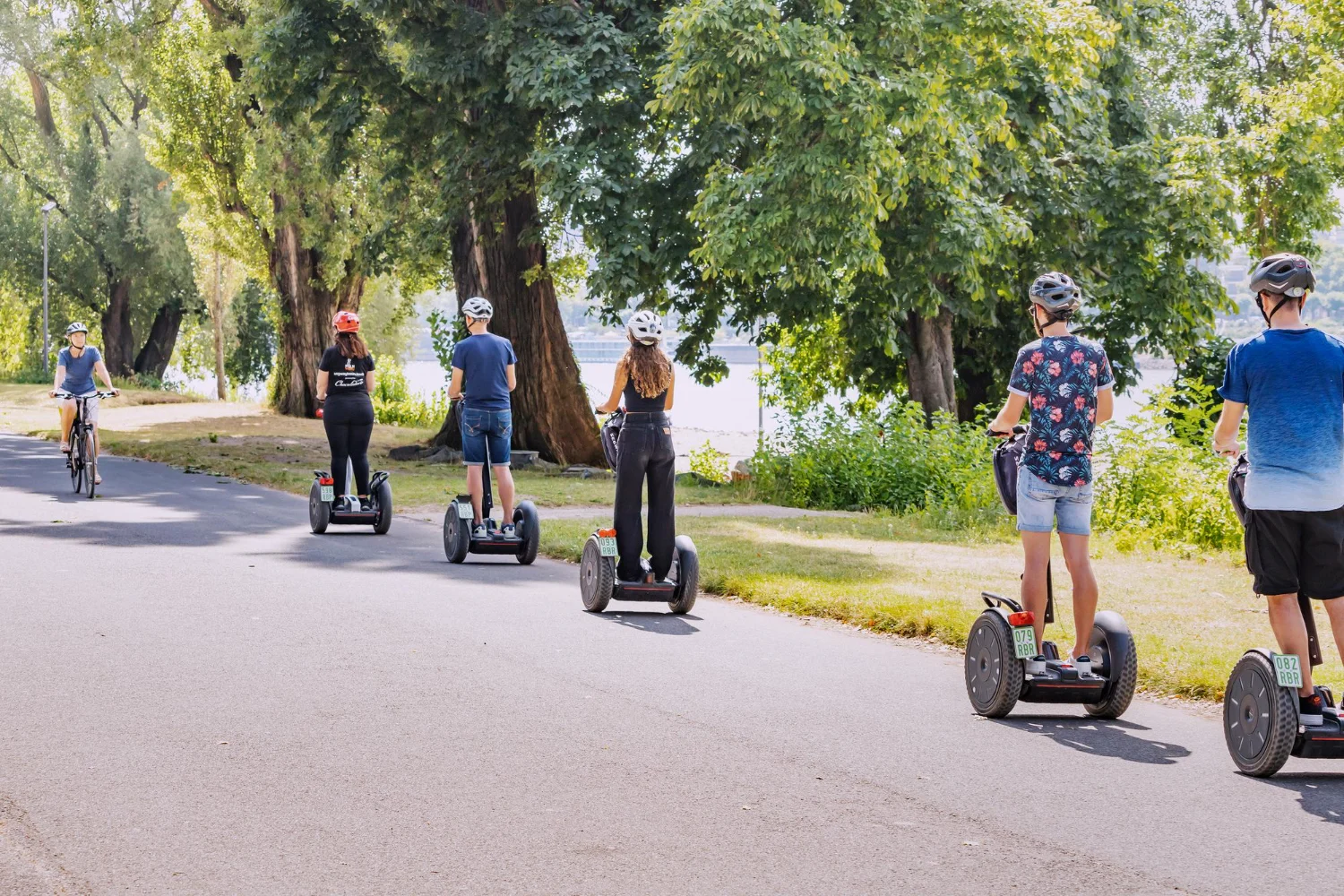
The $5,000 price was a second structural problem on top of the regulatory one. It priced the Segway well above a bicycle and close to a used car, for a device that could not legally go everywhere a bicycle could and had a fraction of a car’s range and utility. The buyers who did materialize were mostly institutional: police departments, warehouse and airport staff, tour companies, and security patrols, rather than the individual commuters the original pitch had targeted.
2015: Ninebot buys the company that arguably out-executed it
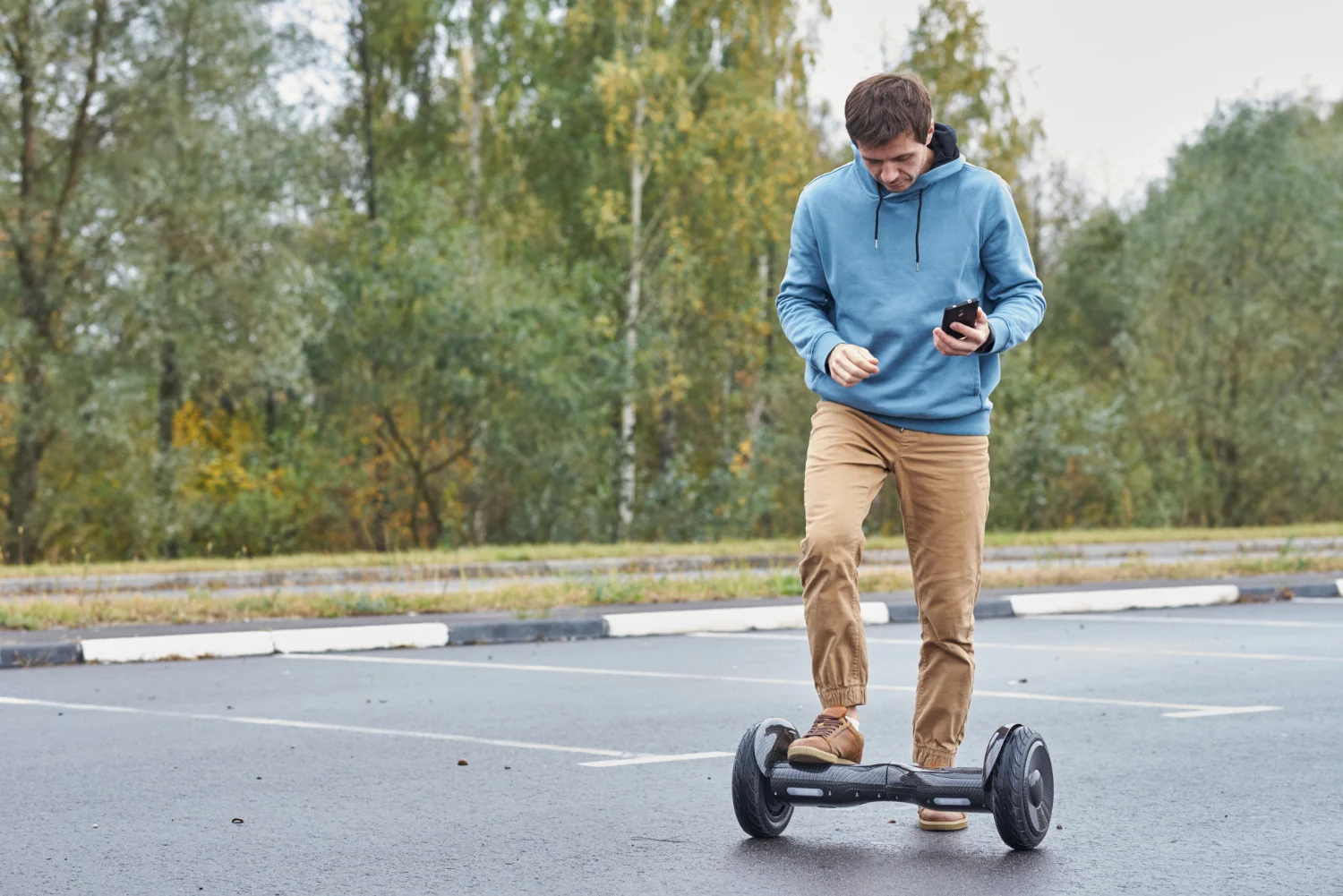
In April 2015, Chinese robotics and personal-transporter company Ninebot acquired Segway Inc. It was a notable role reversal. Ninebot itself had built self-balancing personal transporters that competed directly with Segway’s designs and had faced a patent dispute from Segway before the acquisition resolved it by putting both under one roof. Ninebot kept the Segway brand, which retained more global recognition than Ninebot’s own name, and used the combined company to push harder into a market Segway’s original device had never cracked at scale: lightweight electric kick scooters and self-balancing hoverboards, both of which use variations of the same core balancing technology Kamen’s team had pioneered.
2017 and after: cheaper competitors finish the job
The final pressure on the original Segway PT came from a product category it had indirectly enabled. Dockless electric kick scooters from companies including Bird and Lime spread rapidly through US and European cities starting in 2017 and 2018, priced for a per-ride rental of a few dollars rather than a $5,000 purchase, small enough to be picked up and carried, and requiring no training to ride. They solved the same “last mile” problem Kamen had originally described, at a fraction of the cost and with none of the ambiguous legal status that had dogged the Segway for fifteen years.
2020: production ends
Ninebot announced in June 2020 that manufacturing of the original Segway PT would stop, with production at the Bedford, New Hampshire facility ending on July 15, 2020. The company’s own statement framed it plainly: the market for the original two-wheeled, stand-up personal transporter had shrunk to a level that no longer supported dedicated production, after sales had already been declining for years against cheaper scooter alternatives.
This is the same pattern that closed out 3D televisions a few years earlier: a genuinely capable piece of engineering loses not because a rival did the same thing better, but because a cheaper, lower-friction alternative solved the underlying problem well enough that the original’s advantages stopped mattering.
Does a Segway still work in 2026?
The original Segway PT models still function mechanically as they did on release; the self-balancing system does not depend on an ongoing internet connection or a subscription service. Owners should expect battery degradation after two decades in the oldest units, since lithium-ion and NiMH battery packs of that era were not built for indefinite storage life, and replacement parts and factory service have become harder to source since production ended in 2020. What a used unit is worth, or where to find parts, is not something this site covers.
What actually survived
The Segway brand and the company are both still active. Ninebot-Segway continues to sell electric scooters, hoverboards, and go-karts under both names, and the balancing technology Kamen’s team developed is now embedded across an entire consumer category his original product helped create but could never itself dominate.
The full index of the era’s discontinued hardware, grouped by what actually ended each one, is at the dead gadgets of the 2000s and 2010s. For another device whose hype outran what it could actually deliver in daily use, see what happened to Google Glass.
A note on the numbers
The June 2020 production-end date and the July 15, 2020 factory closure are drawn from Ninebot’s own announcement and contemporaneous business press coverage, and are consistent across sources. The $5,000 original launch price and the roughly 500,000-units-a-year sales ambition are attributed to Kamen and contemporaneous 2001 reporting. Total lifetime unit sales, however, are not something Segway ever published as an audited figure while privately held, and the widely repeated total of around 140,000 units should be read as press estimate at the time of the 2020 shutdown, not a confirmed company number.
FAQ
When did the Segway stop being made?
Ninebot, which acquired Segway Inc. in 2015, ended production of the original Segway PT in 2020, with manufacturing at its New Hampshire plant stopping on July 15, 2020.
Why did the Segway fail to catch on?
A $5,000 price, ambiguous legal status on sidewalks and roads in many cities, and a product built for individual commuters who mostly did not buy it. It found a real niche with police departments, warehouses, and tour companies, but never the mass consumer market Dean Kamen originally described.
Does the Segway company still exist?
Yes. Ninebot, which bought Segway Inc. in 2015, continues to operate under the Segway brand, now focused on electric scooters, hoverboards, and other personal transporters rather than the original two-wheeled PT.
What replaced the Segway?
Dockless electric kick scooters, from companies like Bird and Lime starting around 2017, solved the same short-trip transportation problem at a much lower price and with far less regulatory ambiguity.
Can you still buy a Segway today?
Not the original PT model. Ninebot-Segway sells current-generation electric scooters, hoverboards, and go-karts under the Segway name, but the classic stand-up two-wheeled platform is out of production.